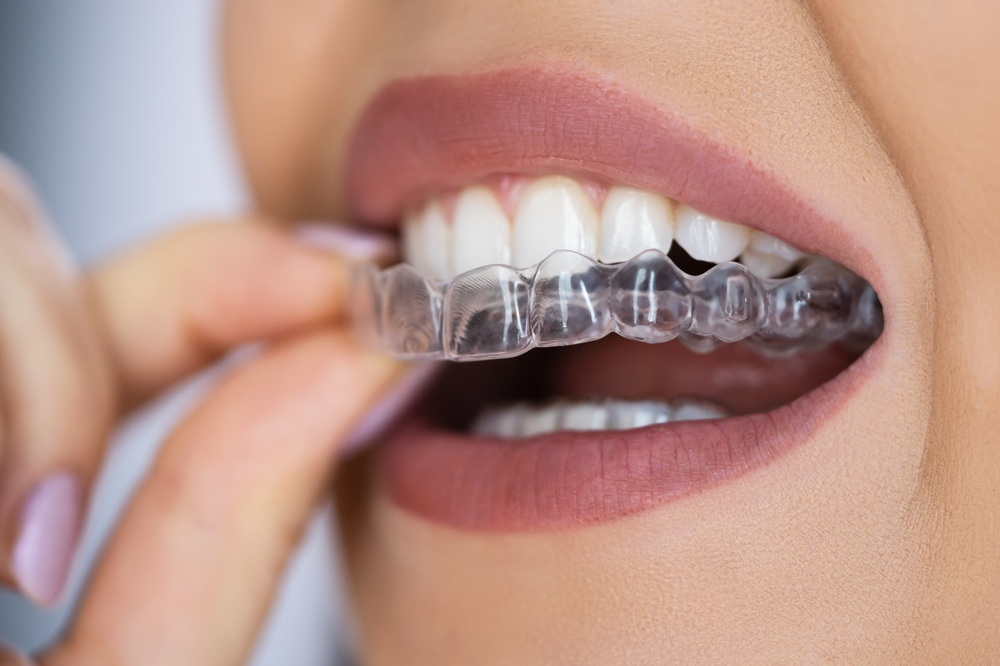
 While clear aligners continue to gain popularity, even the most seasoned dental professionals often have questions regarding their application, effectiveness, and best practices. Here, we address some of the most frequently asked questions by dentists about clear aligner treatment.
Q: What are the key considerations for case selection with clear aligners?
A: Case selection is critical for clear aligner success. Ideal candidates include patients with mild to moderate crowding, spacing issues, and certain bite problems, such as overbites, underbites, and crossbites. Additionally, successful treatment requires diligent and consistent wearing of the aligners. Dentists should assess a patient’s compliance potential as well as ensure that they have good oral hygiene practices and no significant periodontal issues before beginning treatment.
Q: How can I integrate clear aligner therapy into my practice effectively?
A: Start by getting familiar with specific clear aligner systems and getting training with the system you plan to offer. If not already implemented in your practice, investing in high-quality digital scanning equipment and treatment planning software can also provide you with accurate scans to prevent fit issues along with monitoring progress and managing any adjustments required over time. Marketing clear aligner treatment to your patients and providing thorough consultations and education can help seamlessly integrate this treatment option and promote case acceptance, too.
Q: How should I handle mid-treatment adjustments or refinements with clear aligners?
A: Mid-treatment adjustments or refinements are common and should be anticipated. Regularly scheduled check-ups allow you to monitor progress and address any potential deviations from the patient’s treatment plan. If refinements are needed, just take new impressions or digital scans and update the treatment plan accordingly. Most clear aligner systems include a certain number of refinements in their package.
Q: What should I do if a patient loses or breaks an aligner?
A: Instruct patients to contact your office immediately if they lose or break their aligner. Depending on the situation, they might be able to wear their previous set of aligners temporarily. Order a replacement aligner as soon as possible to minimize treatment disruption, and always educate patients on the importance of handling and storing their aligners properly to prevent loss or damage.
Q: How can I effectively communicate the benefits of clear aligners to patients?
A: Highlight the esthetic and practical advantages of clear aligners, such as their nearly invisible appearance and the ability to remove them for eating and cleaning. Also, discuss the specific benefits relevant to the patient case—including comfort, convenience, and comparable treatment times to traditional braces. Using before-and-after photos and testimonials from other patients to illustrate successful outcomes can help as well.


