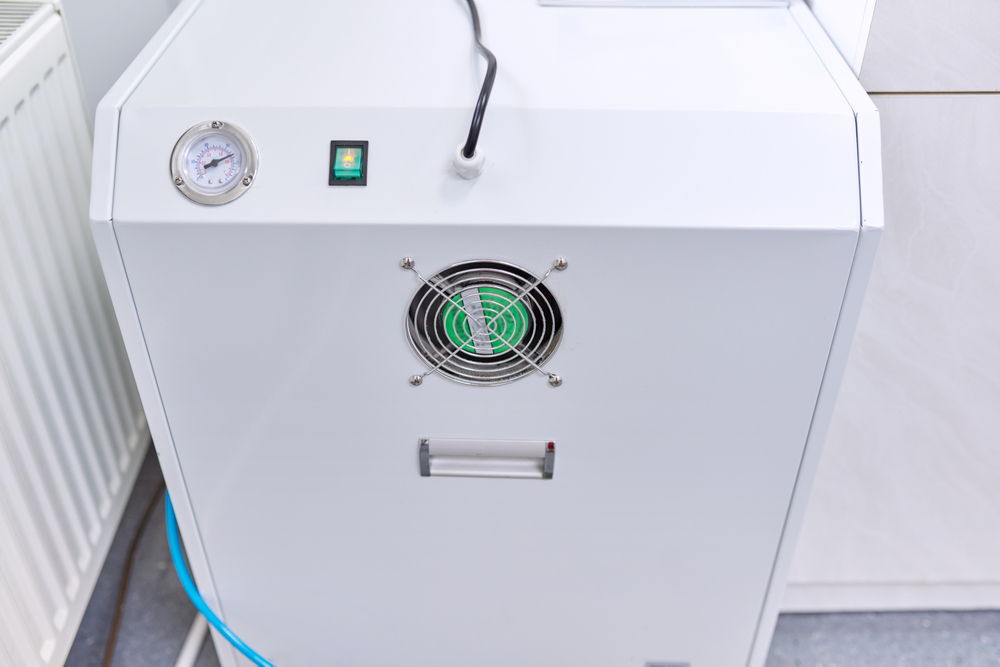
 Check out these factors before purchasing an air compressor for your dental practice in order to ensure reliability, superior performance, and patient safety:,
• Oil-Free vs Oil-Lubricated: Oil-free compressors prevent oil contamination in the compressed air used for patient care and equipment. Oil-lubricated models can pose hygiene risks and require more maintenance.,
• Dry, Clean Air: Dental tools require dry, moisture-free air to function properly and prevent microbial growth. Look for compressors with built-in dryers and filtration systems, such as desiccant or membrane dryers, and filters that remove particulates and moisture.,
• Capacity and Airflow: Ensure the compressor can handle the air consumption (CFM – cubic feet per minute) of all your equipment running simultaneously, such as handpieces, scalers, etc. For example, a small dental office might need 3–5 CFM per chair, but this can vary.,
• Number of Users/Chairs: Choose a unit appropriately sized for the number of dental chairs and operators.,
• Noise Level: Quiet operation is critical in clinical settings. Look for models with sound enclosures or low-decibel ratings, ideally below 60 dB.


