Joining the ever-expanding field of provisional materials, Visalys Temp distinguishes itself with highly stable and fracture-resistant properties, and stands above others for its exceptional brightness,If you ask Dr. Robert Lowe, a Charlotte, NC, dentist in practice over 40 years, what makes Visalys Temp different from the countless other provisionals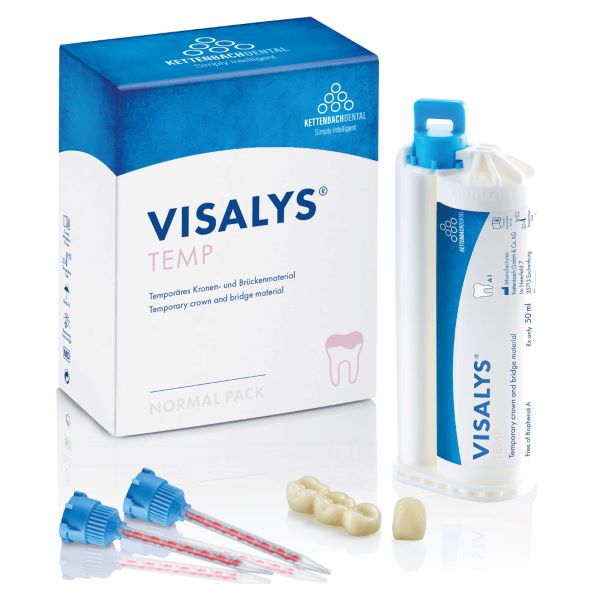 available today, his answer is one, very descriptive word: brightness.,“I’ve worked with many provisionals and there’s been continual improvements in strength and polishability, and most are compatible in those parameters,” Dr. Lowe explained. “But the one thing that really stands out about Visalys Temp is that one dimension—you can use it for patients who don’t know how bright they want their teeth to be,” he continued. “The esthetic quality—the natural fluorescence and luster—I think are extremely good,” he added.,Because Visalys Temp is provisional, Dr. Lowe says he can use a very bright material and his patients can gradually become accustomed to it, while knowing it’s temporary and they can go less bright with the permanent restoration. This eliminates surprises with the brightness of permanent restorations, increasing patient satisfaction.,“My solution is to put them in the whitest, bleached shade available, and put the provisional between their ears and let them live with it for awhile,” Dr. Lowe said. “Then they can decide if it’s too bright or not. Usually they’re shocked in the short term, but when somebody tells them, ‘You look younger, you look great, what did you do?’ all of a sudden, they get used to having a brighter smile,” he continued. “I’ve had hundreds of patients say they wished they’d gone brighter, whiter, but I’ve only had one patient in my 40 years of practice say his teeth were too bright,” Lowe said. “I think provisionals need to be as good as finals.”,
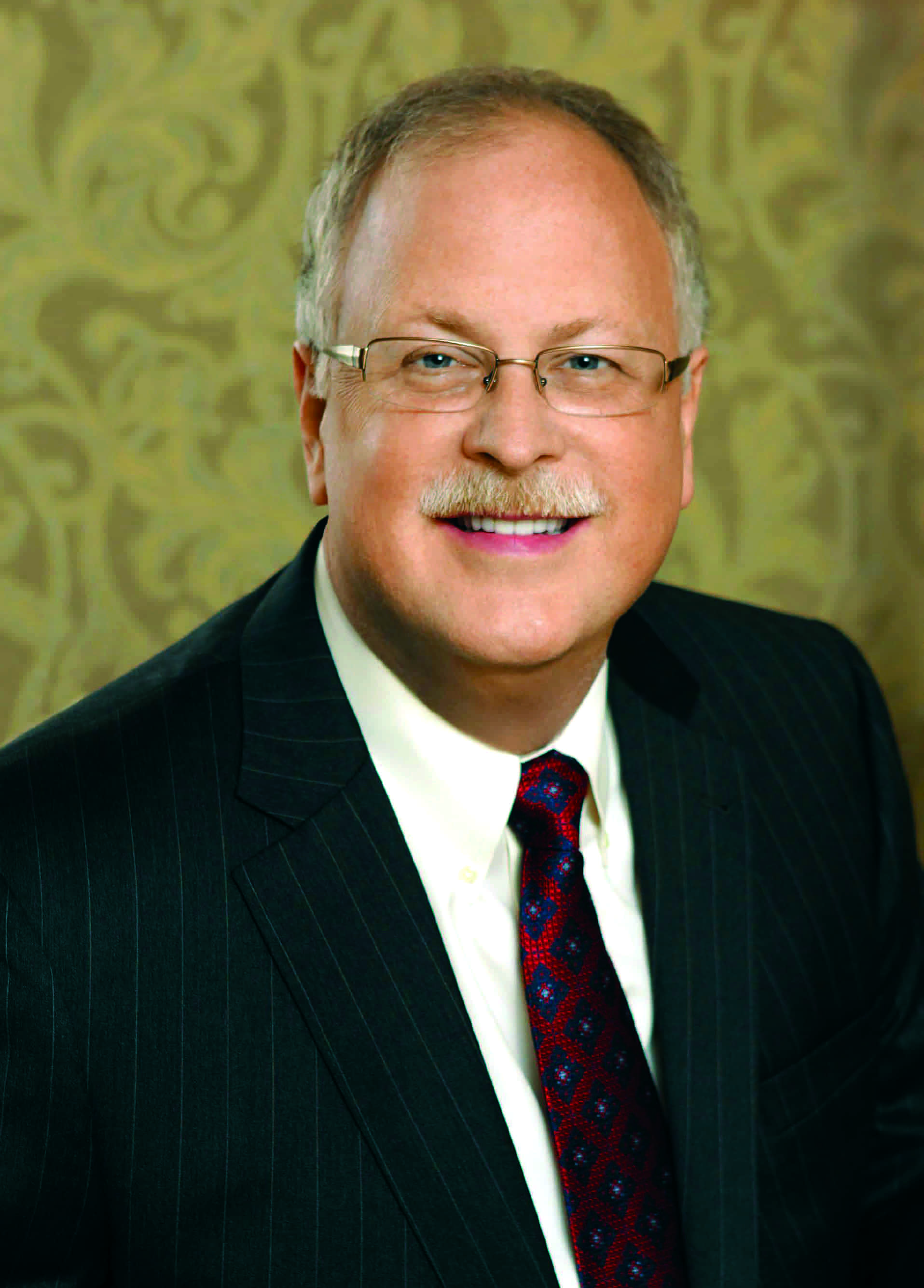 ,“But the one thing that really stands out for me with Visalys Temp is that one dimension—you can use it for patients who don’t know how bright they want their teeth to be.” ,– Robert Lowe, DDS, FAGD, FICD, FASDA, Diplomate, American Board of Aesthetic Dentistry,Designed for short- and long-term temporary restorations, Visalys Temp is suitable for fabricating temporary and partial crowns, bridges, inlays, onlays, and veneers. The material is exceptionally stable and fracture-resistant, factors critical to addressing periodontal, implant, and endodontic cases that require more long-term stabilization for healing before final restoration.,“One of the knocks on this class of materials has always been the brittleness and inability to withstand heavy loads,” Dr. Lowe explained. “Visalys Temp was formulated to meet that structural criteria, so doctors don’t have to continuously remake temporaries for long-term cases,” he said. “No one wants to spend extra chair time remaking temporaries because they’ve broken, so structural integrity is important.”,Visalys Temp also is easy to manipulate, a critical component to making the temporary as similar as possible to the final restoration.,“It trims and carves very nicely—you get nice, sharp, marginal detail, and it polishes very easily so you’ll see a nice luster with natural fluorescence,” Dr. Lowe said.,One common criticism is the instability of the shade over time because many provisional materials have a tendency to stain due to their material composition. “Visalys Temp is a stable material, so patients with long-term provisionals don’t have to worry that the color will change before they get their permanent restorations placed,” Dr. Lowe explained.,Dr. Lowe, who is also an associate professor in oral rehabilitation at James B. Edwards College of Dental Medicine, believes there is a tendency to treat provisionals with less concern because they’re temporary. Instead, he uses the provisional to identify patients’ desired brightness and appearance, so that they are happier with the final restoration.,“Visalys Temp gives a natural fluorescence for being a single shade, and it really creates a nice-looking restoration that gives patients a preview of what’s to come,” Dr. Lowe concluded.


