

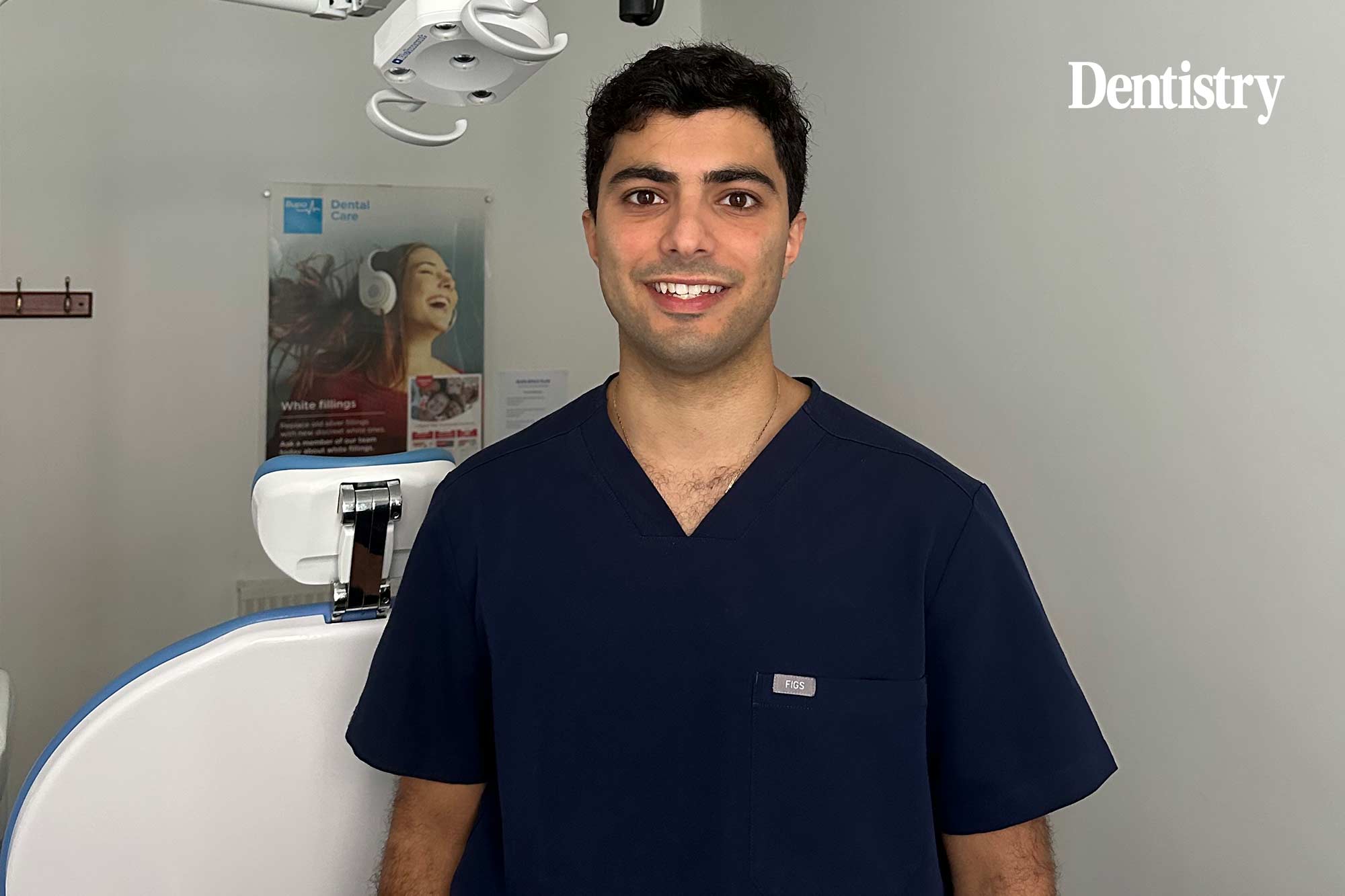
Patric Aria Saraby opens up about his key learnings during his first months as an associate, and how he turned the nerves into confidence.
Walking out of dental school with your degree in hand feels incredible, but it’s also just the beginning. Your first months as an associate can be exciting, challenging and sometimes overwhelming. I’ve recently been through this journey myself, and I want to share the lessons that helped me turn those early nerves into confidence.
1. Accept that you’re still learning
Graduating from dental school feels like reaching the finish line, but in reality, it’s the start of your learning curve.
In my first few weeks as an associate, I was much slower than I expected. A crown preparation seemed to take forever, and I double-checked every decision. But this stage is normal and necessary.
- Focus on quality over speed, efficiency will come naturally with time
- Reflect daily, keep a notebook or voice notes of cases that challenged you and revisit them later
- Be patient with yourself, confidence grows one case at a time.
Tip: Keep a daily journal or voice note of tricky cases or situations. Reflect on what went well, what didn’t, and how you can improve. It’s amazing how quickly you’ll see progress when you look back after a few months.
2. Build strong relationships with your team
One of the most underrated aspects of becoming an associate is learning to work within a team. Your dental nurse, receptionist, and practice manager are not just colleagues, they are your support system.
In my first week, my nurse saved me from a potentially awkward situation when I almost forgot to check a patient’s medical history properly. Since then, I’ve learned to value open communication and teamwork:
- Listen to your nurse’s feedback, they often notice things you might miss
- Show gratitude, a simple ‘thank you’ at the end of the day goes a long way
- Ask for help, everyone understands that you’re new; it’s better to ask early than make a mistake later.
Your team can turn a stressful day into a manageable one or vice versa. Nurture those relationships.
3. Learn the business side
At university, no one explained UDAs, appointment books, or lab bills but they quickly became part of my daily routine.
I sat down with my practice manager early on to understand my UDA targets, private fees, and how my performance was measured. This saved me a lot of stress later on.
- Understand your contract, clarity prevents surprises
- Respect time, being 10 minutes late affects the whole team
- Track your progress, it helps you spot patterns and improve.
Tip: Spend time with your practice manager early on. Ask them to walk you through your UDA contract, private fee structure, and any targets. The sooner you understand the business side, the less stress you’ll feel later.
4. Keep investing in your skills
Graduation isn’t the end of learning, it’s the beginning of shaping your career.
For the first few months I would watch Youtube videos after work, whatever treatments I had pending that week, you can watch different videos which will make you more confident on efficiency and which steps you need to take.
For me, I knew early on that I loved prosthodontics and perio. I started by taking short CPD courses in crown prep techniques and smile design, and I shadowed senior colleagues who were doing advanced cases. This built my confidence and inspired me to commit to a master’s in implant dentistry.
Tips:
If possible, find a mentor who can guide you clinically and professionally.
Prioritise CPD courses that strengthen weak areas first (posterior composites, extractions, endo)
Once you feel comfortable, start exploring what excites you; implants, ortho, cosmetic dentistry
5. Manage stress and look after yourself
Those first few months can be mentally and physically draining.
I often took cases home in my head, replaying every detail. Over time, I learned to:
- Finish notes before leaving work, so I could truly switch off
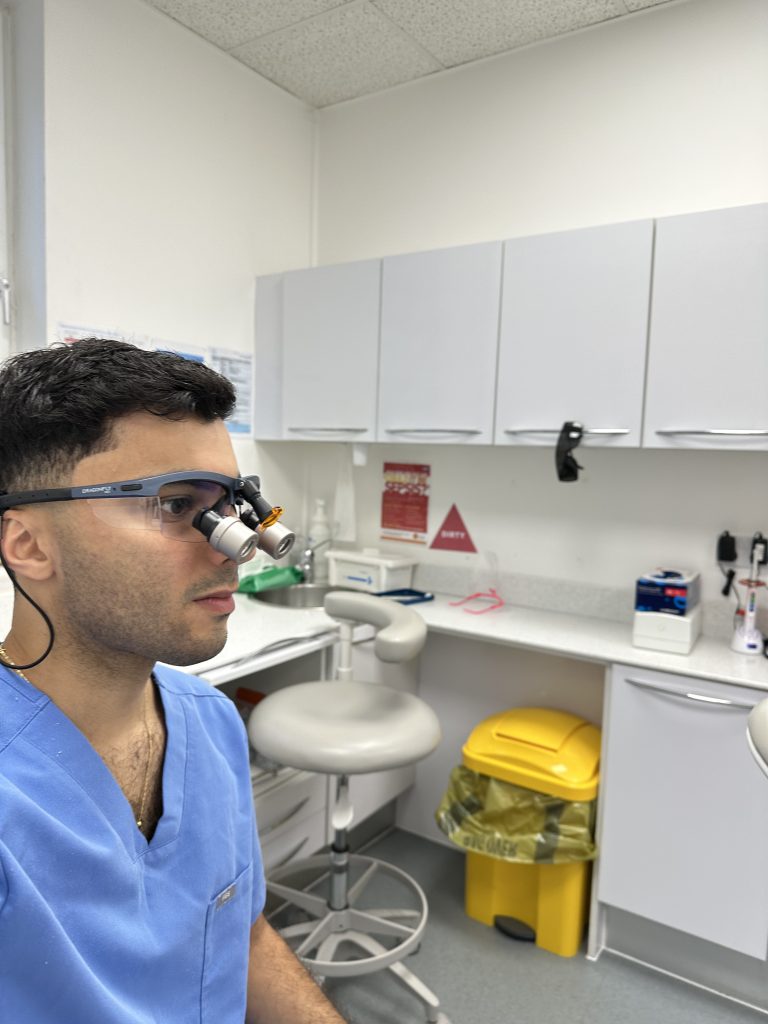
- Protect my posture early, good loupes and ergonomics are worth every penny
- Celebrate small wins, a well done case or a grateful patient makes a tough day feel worthwhile.
Dentistry is a marathon, not a sprint. Taking care of yourself now sets you up for a long, fulfilling career.
6. Stay patient-focused
Numbers, UDAs, and targets are important but patients come first.
One of my proudest moments was treating a very anxious patient who hadn’t seen a dentist in years. By taking things slowly and building trust, we turned their fear into confidence. Those moments remind me why I became a dentist in the first place.
Conclusion
Becoming an associate is both challenging and rewarding. It’s normal to feel slow, uncertain, and even overwhelmed at first. But with time, support, and persistence, you’ll find your rhythm.
If I could give one piece of advice, it’s this: don’t rush the process. Ask questions, reflect, and keep your focus on the patient in front of you. Your confidence, and your career, will flourish.
