

Raabiha Maan explains how the principle of habit stacking can help you handle the emotional ups and downs of working in dentistry.
At 9am, a woman slammed the surgery door behind her, cheeks flushed. ‘Why can’t I have this on the NHS?’ she demanded. Ten minutes later, I was helping her breathe through her fear of needles and she was apologising for her anger.
By 11.30am, the next patient was grinning from ear to ear at their new smile, but it was a long and stressful case.
The very next patient quietly told me she’d lost her father, and we sat in that heavy silence together.
Before lunch, a teenager came in beaming about her new relationship. Only months before, she’d told me she was being bullied, and it made me fear for my own daughters and how cruel the world can be.
All of this… before 1pm. And that’s not unusual.
Where the magic lives
Dentistry is full of technical skills we’re trained for. But this part? No one teaches you how to carry it. The constant shifting from anger to joy to grief can feel like whiplash. Some dentists hate it, and I get why. It’s exhausting to keep showing up for other people’s feelings while keeping your own in check.
But I’ve come to learn that this is where the magic lives.
If someone’s anxious, I give them time to tell me why. If they’re proud, I celebrate with them. If they’re grieving, I pause and connect before the dentistry begins. These moments aren’t distractions from the work. They are the work.
But here’s the problem. The emotional part of dentistry can leave you feeling drained. It is all too easy to give, give, give until you have nothing left. And in a profession where the pace is relentless, ‘self-care’ can sound like something that happens to other people with lighter schedules.
What is habit stacking?
That’s where habit stacking comes in. It is the idea from James Clear’s Atomic Habits that you attach a new habit to something you are already doing. Instead of trying to add more to your day, you weave small actions into the moments that already exist.
Here are a few ways you can use it in practice:
- Set an intention for the appointment – when you go to walk a patient in. It could be as simple as ‘listen more than I talk’ or ‘be calm’. A single sentence can reframe your mindset in seconds
- Micro check-in – when you put on your gloves, ask yourself: ‘Am I carrying the last patient’s mood?’ If yes, release it physically. Roll your shoulders, stretch your hands, or even shake your arms lightly. It only takes a few seconds, but it resets you for the next interaction
- Take a tiny recharge – when X-rays are processing, or you’re taking impressions or light-curing. Use the time to take a few deep breaths, stretch your neck, or relax your jaw. These small physical releases stop tension from building in your body across the day
- Mini debrief – when a patient leaves, as you walk them out, think of one good thing about that appointment. Maybe they trusted you with a personal story or you made them smile. It trains your brain to notice positives even on high-pressure days.
Recharge yourself
These small habits will not remove the emotional highs and lows, but they will help you ride them without burning out. They are simple, invisible to the patient, and most importantly, doable in the reality of a dental day.
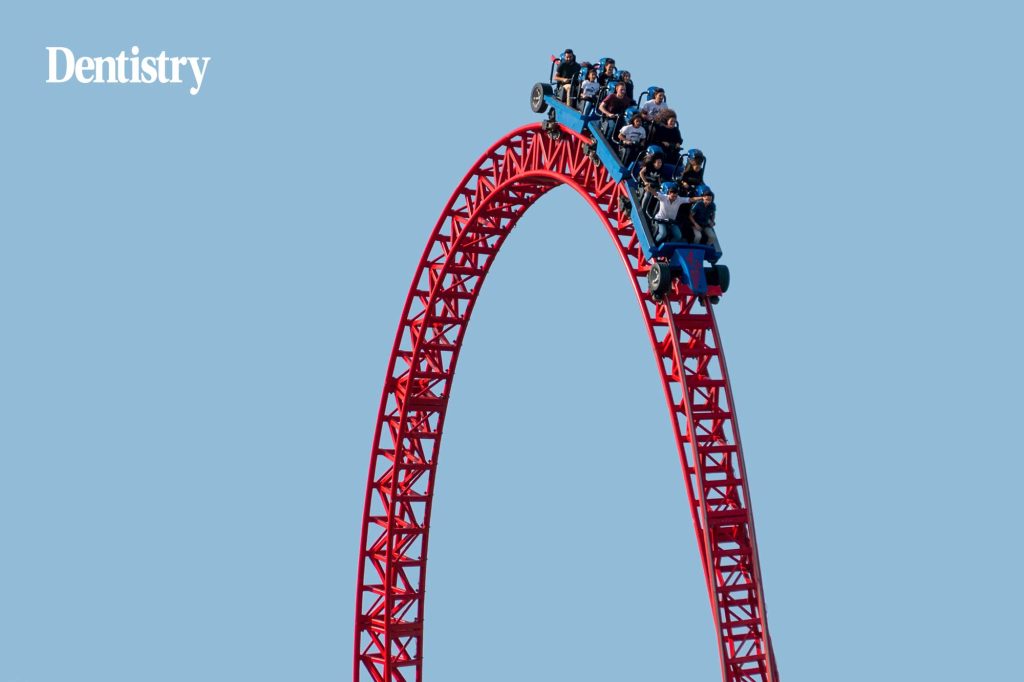
Because in the end, the emotional rollercoaster is part of the job. It is not something we can control, but we can control how we show up for it. And if we learn to take care of our own emotional reserves along the way, it can become the most fulfilling part of what we do.
In a world where kindness and humanity feels like it is running low, take time to recharge yours.
