

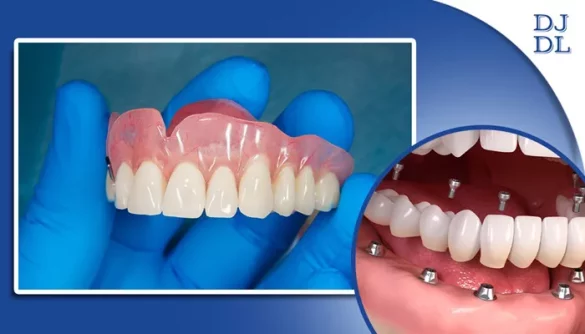
Dentures play an essential role in restoring oral function, enhancing appearance, and improving confidence for individuals who have lost their natural teeth. However, not all dentures are created equal. Understanding how to identify a good quality set of dentures can make the difference between lasting comfort and recurring dental issues such as gum disease or sensitive teeth. This article provides a comprehensive guide to assessing denture quality based on fit, comfort, aesthetics, durability, and oral health impact.
The Importance of Good Quality Dentures
High-quality dentures are more than just replacement teeth. They affect how you chew, speak, and smile. Poorly made dentures can lead to oral discomfort, difficulty eating, speech problems, and even long-term damage to gum tissue. They can also contribute to inflammation, sores, and increased risk of gum disease due to improper fit and hygiene challenges. Investing in quality dentures ensures a better quality of life and supports overall oral health.
How Can I Tell if My Dentures Are Good Quality
They Stay Secure Without Adhesive
One of the first indicators of quality is a secure fit. Well-made dentures should stay in place without the need for excessive adhesive. If your dentures shift when you speak or eat, the fit may be inadequate.
No Pain or Persistent Discomfort
While some mild irritation may occur when adjusting to new dentures, persistent soreness or pressure points may indicate poor craftsmanship or incorrect sizing. Dentures should feel comfortable enough to wear daily without causing mouth ulcers or aggravating sensitive teeth.
Even Distribution of Pressure
Good dentures distribute chewing forces evenly across your gums and jaw. If certain areas feel more pressure than others, it could lead to gum inflammation or even bone loss over time.
Material Quality and Craftsmanship
Durable, Non-Porous Materials
High-quality dentures are made from strong, non-porous acrylic or porcelain. These materials resist staining and bacterial buildup, which helps reduce the risk of gum disease and bad breath.
Precision in Fabrication
Every denture should be custom-made based on accurate impressions of your mouth. This ensures that the denture base conforms to your gum line and jaw structure, reducing irritation and improving function.
Natural Appearance
Good dentures mimic the look of natural teeth and gums. The teeth should have natural translucency and slight variation in color, while the gum portion should blend seamlessly with your real gum tissue.
Comfort and Functionality
Easy Chewing and Speaking
High-quality dentures should allow you to eat a variety of foods without discomfort or slippage. They should also enable clear speech, avoiding the “clicking” sounds common with poor-fitting dentures.
No Interference With Taste
Well-designed dentures minimize coverage of the palate, which helps preserve your ability to taste food fully.
Prevention of Oral Health Issues
Poorly made dentures can cause sores, fungal infections, or aggravate gum disease. Quality dentures, when cleaned properly, help maintain oral hygiene and reduce the likelihood of complications.
Professional Assessment of Denture Quality
Regular Dental Check-Ups
Your dentist can check if your dentures are maintaining their fit and function. They can also spot early signs of gum disease or irritation caused by wear and tear.
Bite and Jaw Alignment Check
High-quality dentures ensure your bite remains balanced. Poor alignment can cause headaches, jaw pain, or uneven tooth wear.
Evaluating Material Wear
Dentures wear down over time. If your dentures lose their smooth surface, absorb odors, or show cracks, they may need to be replaced or relined.
Longevity of Good Quality Dentures
Expected Lifespan
With proper care, high-quality dentures can last 5–10 years. Longevity depends on the materials used, your oral hygiene habits, and regular dental adjustments.
Resistance to Staining and Odor
Quality dentures resist discoloration from coffee, tea, or tobacco. They also resist odor absorption, reducing the risk of bad breath and bacterial growth.
Maintaining Denture Quality
Daily Cleaning Routine
Clean dentures with a soft brush and non-abrasive denture cleaner daily. This prevents plaque buildup, which can irritate gums and cause infections.
Safe Handling
Handle dentures over a soft towel or water-filled sink to avoid breakage if dropped. Avoid using hot water, as it can warp the material.
Regular Relining or Adjustments
Over time, your gums and jawbone may change shape due to natural bone resorption. Relining ensures continued comfort and prevents issues like sore spots and gum disease.
When to Replace Dentures
Persistent Discomfort
If adjustments do not solve discomfort, it may be time for a replacement.
Noticeable Wear and Tear
Cracks, chips, or worn teeth can compromise function and appearance, indicating that a new set may be necessary.
Changes in Fit
Loose dentures that repeatedly slip or cause sore spots could mean your jaw shape has changed significantly.
Conclusion
Good quality dentures should fit comfortably, look natural, function well, and last for many years with proper care. They should not cause persistent pain, difficulty eating, or recurring oral health issues. Regular dental visits are essential for monitoring the condition of your dentures and your oral health, ensuring that problems like gum disease or sensitive teeth are addressed early. By knowing the signs of quality, you can make informed decisions that protect both your smile and your overall well-being.
