

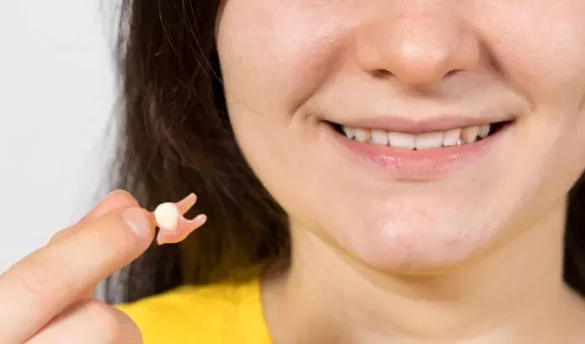
False teeth, also known as dentures or dental prosthetics, are common solutions for missing teeth. While some people wear them discreetly, there are ways to tell if someone has false teeth. Understanding these signs helps with dental awareness and provides insight into oral health conditions, including gum disease and sensitive teeth.
What Are False Teeth?
False teeth are removable or fixed dental appliances designed to replace missing teeth. They can be full dentures, partial dentures, or implant-supported prosthetics. These devices help restore appearance, function, and oral health.
Types of False Teeth
Full Dentures
Full dentures replace all teeth in the upper or lower jaw. They rest on the gums and are made of acrylic, sometimes reinforced with metal for durability. Full dentures require good oral hygiene to prevent gum disease.
Partial Dentures
Partial dentures replace one or more missing teeth and attach to surrounding natural teeth with metal or plastic clasps. They help maintain tooth alignment and prevent further dental issues, including sensitive teeth caused by exposed roots.
Implant-Supported Dentures
These are fixed prosthetics anchored to dental implants. They provide better stability than conventional dentures and often reduce gum irritation, which can contribute to gum disease.
Visual Clues That Suggest False Teeth
One of the first ways to identify false teeth is by observing visual clues. These clues can be subtle but noticeable when you pay attention.
Color and Shine
False teeth often appear brighter and more uniform than natural teeth. Natural teeth have slight variations in color and texture, while dentures may look too perfect. Overly shiny teeth can also indicate artificial material.
Alignment and Spacing
False teeth are carefully crafted to align perfectly. People with dentures or partial dentures may have teeth that seem unusually straight or symmetrical. In contrast, natural teeth usually have minor irregularities.
Gum Appearance
Gums around false teeth can appear slightly different. They may look thicker, firmer, or slightly inflamed if the denture is new or poorly fitted. Signs of gum disease may appear if hygiene is neglected, which can also reveal denture wear.
Behavioral Indicators
Besides visual signs, certain behaviors may indicate someone wears false teeth.
Speech Patterns
New denture wearers may have slight lisping or altered pronunciation. Words with “s” or “th” sounds may be harder to enunciate initially. Long-term wearers often adapt, but subtle differences in speech can persist.
Eating Habits
People with false teeth might avoid hard, sticky, or chewy foods. They may take smaller bites or chew more slowly. Partial dentures may shift slightly while eating, which can also indicate prosthetic teeth.
Frequent Adjustments
Individuals may adjust their dentures often, using their tongue or fingers. This behavior usually happens when dentures are loose or cause minor discomfort, which is common with new or older dentures.
Dental Clues During Close Observation
Professional dental examination can reveal additional clues that are less obvious to the casual observer.
Jawbone Changes
Long-term denture use can lead to slight jawbone resorption. Dentists may notice reduced bone density or changes in jaw shape that indicate missing natural teeth.
Wear Patterns
Natural teeth develop wear patterns from chewing and grinding. False teeth usually lack these subtle signs. Uniform surfaces and edges are often a giveaway.
Gum Sensitivity
People with dentures may experience sensitive teeth or gums, especially with ill-fitting prosthetics. Redness, swelling, or irritation can reveal the presence of dentures.
Technological and Clinical Methods
Modern dental technologies make it easier to detect false teeth during a professional checkup.
X-Rays
X-rays reveal gaps where natural teeth are missing. Dentists can see implants or the absence of roots, which clearly distinguishes false teeth from natural teeth.
Dental Impressions
Taking dental impressions allows dentists to examine how teeth fit together. Dentures can be detected because they often do not perfectly mimic natural teeth in texture and shape.
Oral Hygiene Checks
Examining plaque accumulation and gum health provides insight. Poorly maintained dentures can contribute to gum disease, which may be evident during a professional cleaning.
Common Misconceptions About False Teeth
Many people assume dentures are easy to spot. In reality, modern dental prosthetics are highly realistic.
False Teeth Are Always Obvious
Advanced dentures are custom-made to match natural teeth. Color, shape, and alignment can look very natural. Only subtle clues and dental expertise often reveal the truth.
False Teeth Cause Pain
While ill-fitting dentures can cause discomfort, well-fitted prosthetics usually feel comfortable. Occasional sensitivity may occur, especially if gums are prone to gum disease or irritation.
People With False Teeth Can’t Eat Normally
Modern dentures allow a nearly normal diet. Minor adjustments are sometimes needed, and soft foods are often recommended initially, but long-term function is excellent.
How to Respectfully Discuss Dentures
It is important to approach this topic with sensitivity.
Focus on Oral Health
Instead of commenting on aesthetics, discuss general oral health. Mention gum disease, sensitive teeth, or dental hygiene habits.
Avoid Assumptions
Not every subtle dental clue indicates false teeth. People may have natural variations, previous dental work, or other conditions affecting teeth and gums.
Encourage Dental Checkups
Regular dental visits are essential for everyone. Dentists can detect issues, provide professional advice, and recommend treatments or adjustments if someone uses dentures.
Tips for Maintaining False Teeth
Proper care of dentures is critical for oral health and comfort.
Daily Cleaning
Brush dentures daily with a soft brush. Avoid regular toothpaste as it can be abrasive. Special denture cleaners help prevent plaque and bacterial buildup that may lead to gum disease.
Soaking Overnight
Keep dentures moist by soaking them in water or a cleaning solution overnight. This prevents warping and maintains fit, reducing discomfort and sensitivity.
Regular Dental Visits
Schedule professional checkups to ensure dentures fit well and gums remain healthy. Dentists check for signs of gum disease and provide guidance for sensitive teeth.
Conclusion
Recognizing false teeth requires observing visual, behavioral, and dental clues. While modern dentures are realistic, slight differences in color, alignment, gum appearance, and eating or speech habits can indicate prosthetics. Maintaining oral hygiene, understanding gum disease, and addressing sensitive teeth are essential for anyone with or without dentures. Respectful discussion and professional dental care ensure oral health and confidence for all individuals.
