

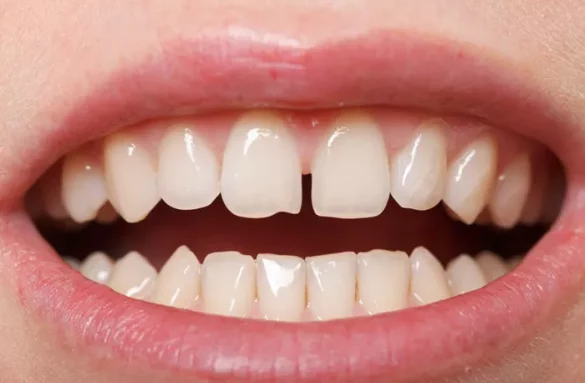
Cavities between the front teeth, also known as interproximal cavities, are a common dental concern. These cavities develop in the tight spaces between teeth where food particles and plaque accumulate. Because the area is difficult to clean, patients often do not notice the decay until it becomes larger. Dentists use special techniques to treat cavities between the front teeth while preserving the natural appearance of the smile. This article explores how dentists diagnose, treat, and prevent these cavities in detail. It also highlights the connection between cavities, gum disease, and sensitive teeth.
What Causes Cavities Between Front Teeth?
Several factors contribute to cavities between the front teeth. Understanding these causes can help patients prevent them and seek timely dental care.
Poor Oral Hygiene
Failure to brush and floss properly leaves plaque and bacteria between the teeth. Over time, the acids produced by bacteria erode the enamel, leading to decay. The front teeth are especially prone because they are visible but often not flossed as effectively as the back teeth.
Diet High in Sugar
Sugary foods and drinks create an acidic environment in the mouth. These acids attack the enamel and increase the risk of cavities between teeth. Sticky foods such as candy or dried fruit are especially harmful because they cling to the enamel surface longer.
Gum Disease Connection
Gum disease can make the spaces between the teeth more vulnerable. As gums recede, the roots of the teeth are exposed. Roots lack the protective enamel layer, making them more prone to decay. Patients with gum disease often experience both cavities and sensitive teeth.
Genetic Factors
Some people naturally have narrower spaces or deeper grooves between their teeth. These structural features make it harder to clean the area properly, increasing the risk of decay.
How Dentists Diagnose Cavities Between Front Teeth
Early diagnosis is critical for successful treatment. Dentists use several diagnostic tools to detect cavities in these difficult-to-see areas.
Visual Examination
The dentist carefully inspects the teeth under bright light. Discoloration, small holes, or rough spots can indicate decay. However, many cavities between teeth are too small to see in the early stages.
Dental X-Rays
X-rays are the most reliable tool for detecting interproximal cavities. Bitewing X-rays allow the dentist to see between the teeth and identify decay before it causes major damage.
Symptoms Reported by Patients
Patients often report sensitivity when eating sweets, drinking cold beverages, or flossing. These symptoms may signal cavities between the front teeth. Pain at this stage indicates that the cavity is more advanced.
How Dentists Treat Cavities Between Front Teeth
Once diagnosed, dentists choose the best treatment based on the size, location, and severity of the cavity. The main goal is to remove decay while maintaining the tooth’s appearance and function.
Dental Fillings
Fillings are the most common treatment for cavities between front teeth. The dentist numbs the area with local anesthesia. The decay is removed using dental drills or lasers. After cleaning the cavity, the dentist fills the space with composite resin.
This material matches the color of natural teeth, making it suitable for visible areas like the front teeth. Composite fillings restore both strength and appearance.
Dental Bonding
For small cavities or early decay, bonding may be used. The dentist applies a tooth-colored resin to the affected area. The resin is shaped and hardened with a special light. Dental bonding blends seamlessly with natural enamel, preserving the aesthetics of the front teeth.
Inlays and Onlays
When a cavity is too large for a simple filling but not severe enough for a crown, inlays or onlays may be recommended.
These are custom-made restorations created in a dental lab. They are bonded into the tooth and provide durable, natural-looking results.
Dental Crowns
In severe cases, the decay may weaken the front tooth significantly. If a filling would not provide enough support, the dentist may place a crown. Crowns cover the entire tooth, restoring both appearance and function. Ceramic crowns are often chosen for front teeth due to their natural color and translucency.
Root Canal Therapy
If decay spreads deep into the pulp of the tooth, a root canal may be necessary. The dentist removes infected pulp tissue, disinfects the canals, and fills them with a sealing material. The tooth is then restored with a crown or filling. While root canals are more common in back teeth, they can also be required for front teeth if decay is severe.
The Role of Aesthetics in Front Tooth Cavities
Because front teeth are highly visible, aesthetics play a major role in treatment decisions. Dentists take extra care to use materials that match the natural shade and translucency of the enamel. Composite resins and ceramic restorations are the preferred choices for front teeth to ensure a seamless appearance.
Complications of Untreated Cavities Between Front Teeth
Ignoring cavities between front teeth can lead to serious oral health issues.
Spread of Decay
If untreated, decay can spread to neighboring teeth, creating multiple cavities. This complicates treatment and increases costs.
Gum Disease
Bacteria from cavities irritate the gums, leading to gingivitis or periodontitis. Gum disease causes bleeding, swelling, and eventually tooth loss. Patients with untreated cavities often develop both gum disease and sensitive teeth.
Tooth Sensitivity
As cavities progress, they expose dentin and sometimes the tooth pulp. This exposure causes sensitivity to hot, cold, or sweet foods. Sensitive teeth make eating and drinking uncomfortable, reducing quality of life.
Tooth Loss
Advanced decay may destroy so much tooth structure that extraction is necessary. Losing a front tooth not only affects appearance but also speech and bite function.
How Dentists Prevent Cavities Between Front Teeth
Prevention is the most effective strategy against cavities. Dentists provide several preventive measures to protect the front teeth.
Professional Cleaning
Routine dental cleanings remove plaque and tartar from areas between the teeth that patients cannot reach with brushing alone. This reduces the risk of both cavities and gum disease.
Fluoride Treatments
Fluoride strengthens enamel, making it more resistant to acid attacks. Dentists may apply fluoride varnish or gel during regular visits to protect front teeth from decay.
Sealants
Although sealants are more common on back teeth, some dentists may apply them to vulnerable front teeth. Sealants create a protective barrier that prevents bacteria and plaque buildup.
Oral Hygiene Education
Dentists teach patients the importance of brushing twice daily with fluoride toothpaste and flossing once daily. Special attention should be given to flossing between the front teeth where cavities are most likely to form.
Dietary Advice
Reducing sugary foods and acidic beverages lowers the risk of cavities. Dentists often recommend drinking more water, eating fresh vegetables, and avoiding frequent snacking.
What Patients Should Expect During Treatment
Patients often feel anxious about dental treatments. Understanding the process can reduce fear.
Pain Management
Modern dentistry uses effective anesthesia to make cavity treatment comfortable. Patients may feel mild pressure but rarely experience pain during the procedure.
Procedure Time
Small cavities can usually be treated in a single appointment lasting 30–60 minutes. More complex treatments like crowns or root canals may require multiple visits.
Aftercare
Patients may experience mild sensitivity after treatment, especially when eating cold or sweet foods. This usually resolves within a few days. Dentists may recommend desensitizing toothpaste for sensitive teeth.
Long-Term Outlook for Patients
With proper treatment and preventive care, patients can maintain healthy front teeth for a lifetime. Treated cavities rarely return if patients maintain good oral hygiene and attend regular dental checkups.
Impact on Smile and Confidence
Repairing cavities between the front teeth not only preserves dental health but also restores a patient’s confidence in their smile. Modern materials ensure that restorations are virtually invisible.
Conclusion
Cavities between the front teeth are a common but treatable dental problem. Dentists use fillings, bonding, crowns, and sometimes root canals to restore health and appearance. Preventive measures, including professional cleanings, fluoride, and good oral hygiene, are essential in reducing the risk of cavities. Patients should also be aware of the link between cavities, gum disease, and sensitive teeth. By seeking timely dental care, patients can protect both their smile and overall oral health.
