

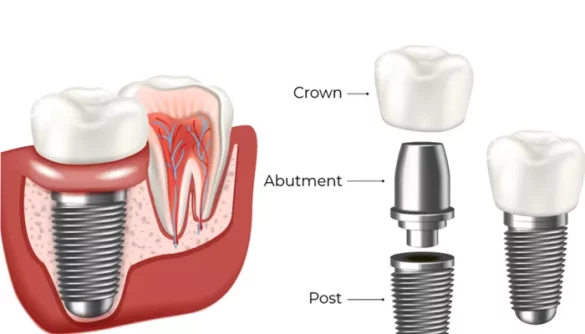
Dental implants have become a popular solution for replacing missing teeth. They help restore function and improve the appearance of your smile. But placing an implant requires careful planning. One important factor is the distance between the implant and the natural teeth nearby. This distance affects how healthy your gums stay, how comfortable you feel, and how long the implant lasts.
Why Implant Distance Matters
When an implant is placed too close to a natural tooth, it can cause several problems. These include gum disease, bone loss, and sensitivity. If the implant is too far away, it may not provide good support for the replacement tooth. Knowing the right distance helps avoid these issues.
Gum Disease and Implant Placement
Gum disease is a major concern when implants are placed. If an implant is too close to a tooth, bacteria can easily collect in the tight space. This can lead to inflammation and infection of the gums, which is called peri-implantitis when it affects implants. Healthy gums are essential to keep both the natural teeth and implants strong.
Sensitivity and Discomfort
When implants touch or press against nearby teeth, it can cause tooth sensitivity. This sensitivity may happen because the implant affects the nerve endings or causes pressure in the area. Proper spacing helps protect sensitive teeth from discomfort after implant surgery.
Ideal Distance Between an Implant and a Natural Tooth
Experts agree there are guidelines for the minimum and optimal distance between implants and natural teeth. These guidelines help maintain healthy gums, stable bone, and prevent tooth sensitivity.
Minimum Distance from Adjacent Teeth
The American Academy of Implant Dentistry and many studies recommend at least 1.5 to 2 millimeters of space between the implant and the adjacent natural tooth. This space allows enough room for the gum tissue to stay healthy and for bone to support both the implant and tooth.
Bone and Gum Health
Bone loss is a common cause of implant failure. Maintaining at least 1.5 mm distance helps protect the bone around the implant and the adjacent tooth. It also helps prevent gum disease by allowing the gum to form a tight seal around both structures. This seal blocks bacteria from entering and causing inflammation.
Spacing Between Multiple Implants
When placing more than one implant near each other, the distance between implants is also critical. The recommended space between two implants is at least 3 millimeters. This helps maintain the bone and gum tissue between implants and supports long-term success.
Factors Affecting Implant-to-Tooth Distance
While 1.5 to 2 mm is a general guideline, individual cases may vary. Several factors influence the ideal spacing:
Bone Quality and Quantity
If the bone is thin or weak, dentists may increase the distance to protect both the implant and natural tooth. Bone loss due to gum disease or trauma can change the available space.
Type of Implant and Tooth
Different types of implants vary in size. Larger implants need more space. Also, front teeth usually require more delicate spacing to keep good esthetics and avoid sensitive teeth issues.
Gum Thickness and Health
Thicker gums provide better protection and may allow closer implant placement. If gums are thin or affected by gum disease, more spacing is safer to avoid inflammation and sensitivity.
Risks of Improper Implant Placement
Placing an implant too close or too far from a tooth can cause several problems. Some of these are:
Increased Risk of Gum Disease
Tight spaces between implants and teeth can trap food and bacteria. This leads to plaque buildup and gum disease, which may damage bone and cause implant failure.
Bone Loss
Improper spacing can cause bone loss around the implant or natural tooth. Bone supports both teeth and implants. Losing it can cause loosening or loss of the implant and affect natural teeth stability.
Tooth Sensitivity and Pain
Implants placed too close to nerves or roots of nearby teeth may cause sensitivity or pain. This can affect eating, drinking, and everyday comfort.
Damage to Adjacent Teeth
During implant placement, if the implant touches or damages the root of a nearby tooth, it can lead to root injury or even tooth loss.
How Dentists Plan Implant Placement
Before placing implants, dentists use detailed planning to measure the exact space available. This includes:
3D Imaging and X-rays
Advanced imaging techniques like Cone Beam CT scans allow dentists to see the bone and teeth in 3D. They can measure distances and plan the best position for the implant to keep healthy spacing.
Impressions and Models
Physical or digital models of your mouth help dentists plan spacing and the final shape of the teeth and implant crown.
Customized Treatment Plans
Each patient gets a personalized plan. Factors like gum health, bone condition, and tooth sensitivity are considered to decide implant size and placement.
Maintaining Gum and Tooth Health After Implant Placement
Proper care is crucial to keep gums and teeth healthy after implant surgery. Here are some tips:
Good Oral Hygiene
Brushing and flossing daily help prevent gum disease and maintain healthy gums around implants and teeth. Special floss or interdental brushes may be needed for tight spaces.
Regular Dental Check-ups
Visit your dentist regularly for cleanings and exams. They can check for early signs of gum disease, bone loss, or implant issues and act before problems grow.
Managing Sensitive Teeth
If you experience sensitivity near implants or natural teeth, talk to your dentist. They may recommend toothpaste for sensitive teeth or treatments to protect exposed roots.
Gum Disease and Its Impact on Implants
Gum disease can affect the success of dental implants. Inflammation from gum disease can cause bone loss around the implant, leading to failure.
Peri-implantitis
This is a type of gum disease that affects the tissues around implants. It causes redness, swelling, bleeding, and eventually bone loss. Proper spacing helps prevent this by allowing gums to stay healthy.
Conclusion
The distance between a dental implant and a natural tooth is a critical factor for success. Maintaining at least 1.5 to 2 millimeters of space helps protect gum health, prevent sensitivity, and avoid bone loss. Proper planning, imaging, and personalized care ensure implants last and function well. Good oral hygiene and regular dental visits keep your gums and teeth healthy for years to come.
