

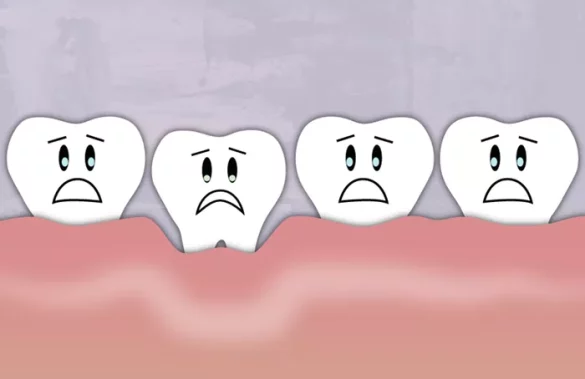
Gum recession is a common dental issue. It exposes the roots of teeth, causing sensitive teeth and increasing risk of gum disease. Many wonder, how fast do gums grow back? This article explains the process of gum tissue regrowth and offers practical tips to help gums heal quickly and effectively.
What Causes Gum Recession?
Understanding why gums recede is the first step to helping them grow back. Common causes include:
Gum disease: Bacterial infections like gingivitis and periodontitis destroy gum tissue.
Aggressive brushing: Brushing teeth too hard can wear away gums.
Poor oral hygiene: Plaque buildup leads to inflammation and gum damage.
Genetics: Some people have naturally thinner gums.
Tobacco use: Smoking reduces blood flow, slowing healing.
Hormonal changes: Pregnancy or menopause can increase gum sensitivity.
Teeth grinding or misalignment: Excess pressure harms gums.
Can Gums Grow Back Naturally?
Gums have limited ability to regenerate on their own. Minor recession caused by inflammation may improve once the underlying cause is treated. However, deep gum loss often requires professional treatment to restore tissue volume. The speed of gum regrowth depends on the severity and treatment method.
Factors Affecting Gum Regrowth Speed
Severity of gum damage: Mild inflammation heals faster than advanced gum disease.
Overall health: Good nutrition and no chronic illnesses promote healing.
Oral hygiene habits: Proper care prevents further damage and helps recovery.
Smoking status: Smokers experience slower healing.
Professional treatment: Procedures like scaling or grafting impact healing time.
Signs You Need to Regrow Your Gums
Before focusing on gum regrowth, know the signs of gum recession or disease:
- Sensitive teeth when eating hot, cold, or sweet foods.
- Visible tooth roots or longer-looking teeth.
- Bleeding gums when brushing or flossing.
- Swollen, red, or tender gums.
- Bad breath or bad taste in the mouth.
If you notice these signs, consult a dentist for an accurate diagnosis and treatment plan.
Home Remedies to Help Gums Grow Back Faster
While gums may not fully regrow without professional help, certain habits and natural remedies can promote faster healing and prevent further recession.
Maintain Excellent Oral Hygiene
Good oral hygiene stops plaque buildup that worsens gum disease. Follow these tips:
- Brush gently twice a day using a soft-bristled toothbrush.
- Use fluoride toothpaste to strengthen teeth.
- Floss daily to remove debris between teeth.
- Rinse with an antiseptic mouthwash to reduce bacteria.
Use Salt Water Rinse
Salt water rinses reduce inflammation and promote healing of gums. To prepare:
- Mix 1/2 teaspoon of salt in 8 ounces of warm water.
- Rinse your mouth for 30 seconds, then spit out.
- Repeat 2-3 times daily after meals.
Aloe Vera Gel Application
Aloe vera contains anti-inflammatory and antimicrobial properties. Apply pure aloe vera gel directly on gums to soothe irritation and encourage tissue repair.
Green Tea Consumption
Green tea has antioxidants that can reduce gum inflammation. Drinking 1-2 cups daily may help improve gum health.
Oil Pulling Technique
Swishing coconut or sesame oil in the mouth for 10-15 minutes may reduce bacteria and plaque, promoting gum healing. Perform this daily but avoid swallowing the oil.
Avoid Tobacco and Reduce Stress
Smoking slows healing and increases gum disease risk. Quitting smoking speeds recovery. Managing stress improves immune response, helping gums to regenerate faster.
Professional Dental Treatments to Regrow Gums
For more advanced gum recession, dentists offer treatments to restore lost gum tissue and stop progression of gum disease.
Scaling and Root Planing (Deep Cleaning)
This procedure removes plaque and tartar below the gum line, helping gums reattach to teeth. Healing typically begins within 1-2 weeks.
Gum Grafting Surgery
In cases of significant gum loss, gum grafts from your own palate or donor tissue are placed to cover exposed roots. Recovery may take 2-4 weeks, with new tissue gradually integrating.
Pinhole Surgical Technique
A minimally invasive option where small holes are made to loosen gum tissue and slide it over receded areas. Healing is faster than grafting, usually within 1-2 weeks.
Use of Growth Factors and Platelet-Rich Plasma (PRP)
Some clinics use growth factors or PRP to stimulate gum tissue regeneration and speed healing.
Diet and Nutrition for Healthy Gum Growth
Eating nutrient-rich foods supports the body’s ability to repair gums and fight infection.
Vitamin C
Vitamin C is vital for collagen production and gum tissue repair. Include citrus fruits, strawberries, broccoli, and bell peppers in your diet.
Vitamin D
Vitamin D promotes immune health and bone strength. Sun exposure and foods like fatty fish and fortified dairy help maintain levels.
Calcium
Calcium strengthens teeth and jawbone, supporting gum structure. Dairy products, leafy greens, and almonds are good sources.
Protein
Protein helps rebuild tissue. Include lean meats, beans, nuts, and eggs in your meals.
How Long Does It Take for Gums to Grow Back?
The time for gums to grow back varies based on cause, severity, and treatment:
Mild inflammation: May improve in 1-2 weeks with good care.
After deep cleaning: Gums reattach in 2-3 weeks.
Post gum graft surgery: Healing and tissue growth can take 3-4 weeks or longer.
Without treatment: Gum recession may worsen over months or years.
Note: True gum tissue regrowth beyond the original level often requires surgical intervention.
Preventing Further Gum Recession
Preventing gum disease and avoiding habits that damage gums helps maintain healthy gum tissue.
Use a Soft Toothbrush
Hard bristles can wear gums. Choose a soft or extra-soft brush and use gentle circular strokes.
Regular Dental Checkups
Visit your dentist every 6 months to catch gum problems early and receive professional cleanings.
Avoid Clenching or Grinding Teeth
If you grind teeth, ask your dentist about a night guard to protect gums and teeth.
Stay Hydrated
Saliva protects gums by neutralizing acids and washing away bacteria. Drink plenty of water daily.
When to See a Dentist
If you notice persistent gum sensitivity, bleeding, or recession, do not delay seeing a dental professional. Early treatment is key to stopping gum disease progression and restoring gum health.
Conclusion
Growing gums back quickly depends on the cause and severity of gum recession. While mild cases may improve with proper oral hygiene and home remedies, more significant gum loss often requires professional dental treatments. Healthy habits like gentle brushing, good nutrition, quitting tobacco, and regular dental visits help gums heal faster and prevent future problems. If you experience sensitive teeth or signs of gum disease, seek dental care promptly for the best outcomes.
