

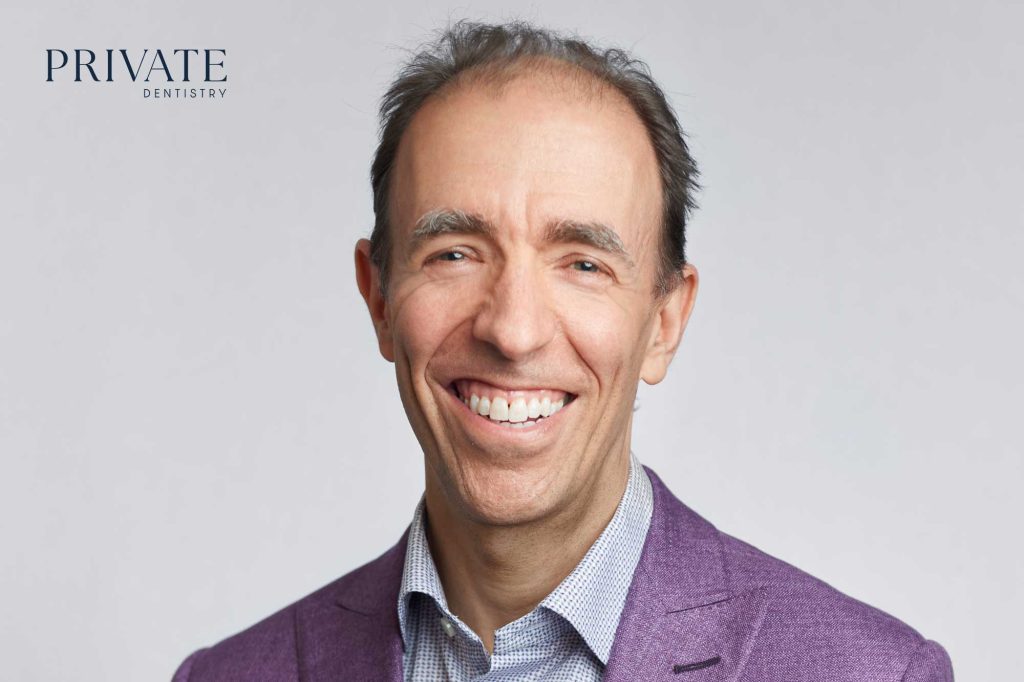
Championing a vision of holistic dentistry that goes beyond fixing teeth, James Goolnik explains how his commitment to challenging norms has helped his career thrive.
James Goolnik is at an age when many of his peers might be considering stepping back from their clinical practice, or at least streamlining their businesses for a more straightforward work-life balance. Put this to him, and he baulks at the suggestion – ‘I am only 56!’.
The concept of ‘straightforward’ doesn’t appear in his lexicon, which may explain how he remains at the forefront of innovative thinking. A desire to link oral health to wellbeing has long been at the heart of his practice – way before ‘#holistichealth’ became a hashtag shared by influencers aplenty across Instagram and Tiktok. And he continues to nudge dentistry toward a broader goal of promoting holistic wellness, championing a vision beyond simply fixing smiles.
Innate entrepreneurial spirit
But where did this drive begin? Blessed with what appears to be an innate entrepreneurial spirit, he secured his first job at 13, keen to earn his own money. That business acumen has carried him through every stage of his career. It was certainly evident when he founded Bow Lane Dental in 2000.
Setting up the squat in the heart of the City of London, he strategically positioned himself in a high-footfall, affluent area where bankers and other movers and shakers in global finance were his passing trade. His marketing techniques were refreshingly unconventional – and successful. A simple A-board smartly positioned outside the practice doors in the narrow pedestrianised alley, and a campaign distributing apples adorned with branded stickers worked wonders.
‘It was all about awareness,’ he says. ‘People don’t always need a dentist immediately, but six months down the line when they do, they remember that apple and our name.’
Despite others embracing the expansion and franchise route, James resisted the temptation, focusing instead on refining what is now a highly respected and multi-award-winning clinic. So much so that it recently caught the eye of Portmandentex, who added it to its stable of practices two years ago.
A wellness vision
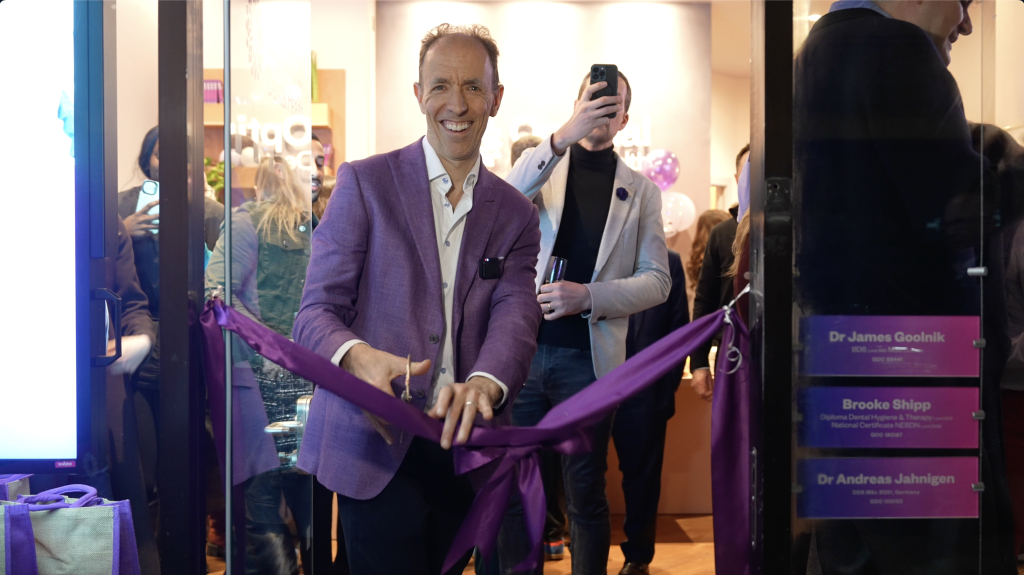
At the tail-end of last year, James opened Optimal Dental Health, a new multidisciplinary clinic where dental care professionals work alongside health experts, nutritionists, sleep specialists and coaches to look beyond ‘just teeth and gums’.
James’s vision is to empower patients to actively change their overall wellness using the latest evidence and a collaborative approach. Its list of natural treatments is impressively all-encompassing – including biological dentistry, ozone therapy and biocompatible treatments. This focus on toxic-free oral health maintenance, particularly fluoride, has divided opinion outside of and in dentistry. So, is there a danger of misinformation – even from those within?
‘Insanity is repeating what we have been doing for the past 40 years and expecting different outcomes,’ he says. ‘It is abundantly clear that dental decay is 100% preventable and mainly due to diet. Fluoride does assist in slowing down caries topically. However, there is no evidence of any systemic benefit, so why add it to water?
‘Hydroxyapatite is naturally present in teeth and has a similar effect as fluoride. Let’s examine the root cause and address that. Most of the time, the mouth is merely responding to what is happening metabolically. Our current food system – the availability of ultra-processed foods and the prevalence of sugar in everything we consume or drink – is the issue. We have ceased eating real foods that are grown locally and consumed seasonally.’
Nutrition, dental health and physical health
James continues: ‘Weston A Price [a Canadian dentist who sparked controversy over his views on root canals but was primarily known for his theories on the relationship between nutrition, dental health and physical health] understood this in the 1940s!
‘If we could encourage dental teams to educate patients about diet, sleep and hydration, we would see fewer cases of dental disease. We have developed long-term relationships with them, and they trust us. It is time to start discussing more than just toothbrushing and flossing. We need to test their HbA1c, check their blood pressure and engage in more comprehensive conversations about their health.’
The new practice encapsulates this ideal. Conveniently situated just a stone’s throw from London’s Baker Street, Optimal Dental Health offers an opportunity to ‘unlock the health metrics beyond your smile’. So, what inspired the location?
‘I was looking for somewhere I could walk to work. It’s such a luxury not to use the tube to commute. I cycle most days in seven minutes. I also wanted somewhere with great transport links. This location came up – a shopfront with enough space for a DDA surgery, waiting room and cloakroom with a huge basement below. Currently, I do four days a week and aim to build up the patient base until I can drop down to three days, which is my sweet spot for high-quality care, running a business and spending more time with family and friends.’
It’s a balance many would envy – and has pulled on skills he has honed over the years.
Pivotal moments
Lived experiences often shape life choices, and James is no exception, though he seems exceptionally singular in his focus. Milestone events such as notable setbacks during his early academic years and a divorce have helped build his resilience, mental fortitude and ability to adapt. Examples include choosing a life of sobriety after his first girlfriend was killed in a drunk driving accident. Rather than succumbing to peer pressure, he found a way to engage with university life by becoming a DJ.
His decision to focus on nurturing Bow Lane rather than spreading his business interests also suggests a reluctance to conform to expectations.
‘Thinking back, I have always been resilient and love setting myself challenges,’ he explains. ‘If someone tells me it cannot be done, I will find a way.’
A self-confessed ‘fixer’, James’s approach often challenges the norm. He has an insatiable curiosity and a determination to research everything thoroughly before making decisions. So, what other pivotal moments have shaped his approach to life – and his business?
‘Apart from my three children, I would say writing my first book, Brush. Having the discipline to sit down every night and most weekends to write was incredibly hard at first. But seeing it in print was so satisfying, especially as English was my worst subject at school.
‘By the time I started to research the cookbook Kick Sugar, I had a better idea of the formula and hired a recipe developer, food photographer and editor to make it more of a team effort.’
A thirst for knowledge
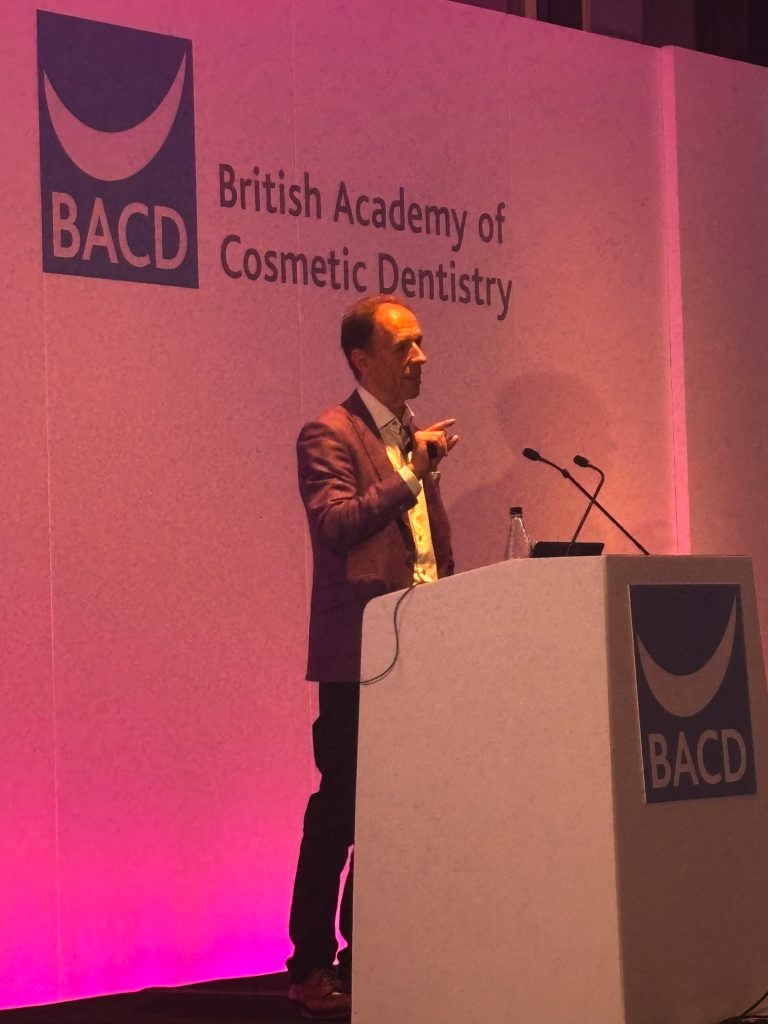
One constant throughout his career has been membership of the British Academy of Cosmetic Dentistry (BACD), which he regards as ‘a supportive family’.
‘Over the years, it has given me the confidence to stand up on stage and share our knowledge about dental practice in the UK. It is not just the clinical skills I have acquired that help me convey knowledge and insights with an attitude of abundance. I am proud to call the ex-presidents my friends, and we are eager to share training and developments with the younger generation, watching the academy go from strength to strength while patients reap the benefits.’
He is studying for a graduate diploma in integrative functional nutrition from the Institute for Optimum Nutrition, having enrolled part-time for over two years. ‘I have passed the first year and am on the behaviour change module, which is fascinating. I hope to use the techniques to make more lasting changes to my patients’ health. They all know they should use floss or interdental aids, but most cannot sustain it regularly.’
Business versus clinical skills
Chameleon-like in his adaption to circumstances and eager to broaden his skill set, James has had to learn on the hoof. Business training, in particular, is often said to be conspicuous by its absence in dental schools. But what else is the BDS course missing? Is the academic arena now adequately connecting the dots, or is considerable work still to be done?
‘I received no training in business, leadership or running a team at dental school – and our nutrition training was about telling patients to stop eating sugar and brush after each meal! It is still not deep enough. My colleagues still cannot understand why I spend so long listening to my patients, asking them about their diet, supplements, sleep and stress levels.
‘However, overall health starts in the mouth, and reducing inflammation has a knock-on effect on the rest of the body. Whether that is reducing their diabetic medication, improving their insulin sensitivity (HBA1c levels) or just stopping them from having another cavity. This needs to be incorporated in the training new dentists receive.’
A new challenge
He has always been a staunch advocate for transforming perceptions of dentistry. But how easy is it to inject positive change in a field that is not quick to accept change, or blessed with a raving fan base?
‘It can get quite intense sometimes; however, if I want to implement change, I need to express my opinion and be heard. For example, taking on the chairmanship of the Private Dentistry Awards is an exciting challenge. I have been involved as a judge for over seven years and have seen all the good it does for our profession. It inspires young dentists to strive to achieve goals that previously took 20 years. There is so much more giving back to the community and positivity that we want to showcase.
‘Despite the economic climate, there are some outstanding dental practices out there that are thriving because they are passionate about helping their patients. And the trend from a focus on cosmetic dentistry towards total health is inspiring.’
With Ben Atkins, chair of the Dental Industry Awards, James is working to streamline the judging process.
‘We have developed a judges’ charter to which all prospective judges must commit. It is a privilege to be on the panel, and we recognise that the considerable time they dedicate needs to be acknowledged. The winners will better represent what is cutting-edge in healthcare, further highlighting the incredible work dental teams do across the UK. And if practices are motivated to embrace total body wellness, then that is even better.’
Fixing issues
His legacy in dentistry is impressive and wide-ranging. One notable standout is that in 34 years in dentistry, he has never had legal proceedings by a patient, team member, or even the GDC. ‘We all make mistakes, but I am quick to admit them, find a solution, and refund the patient. With all the tools at our disposal, it is even easier now to explain to patients what is happening in their mouths and bodies and the different solutions to fix them.’
His thirst for knowledge and new experiences is impressive, and he’s not stopping anytime soon. So, where does this incredible drive to keep learning come from? Is it a fear of losing grey matter or ongoing curiosity?
‘I am curious and want more answers to help patients when they say “why?”. I spent last year learning from Dr Dale Bresdon about halting cognitive decline, and one of the key things we can do is to keep challenging ourselves – I hope I never stop learning.’
Beyond dentistry
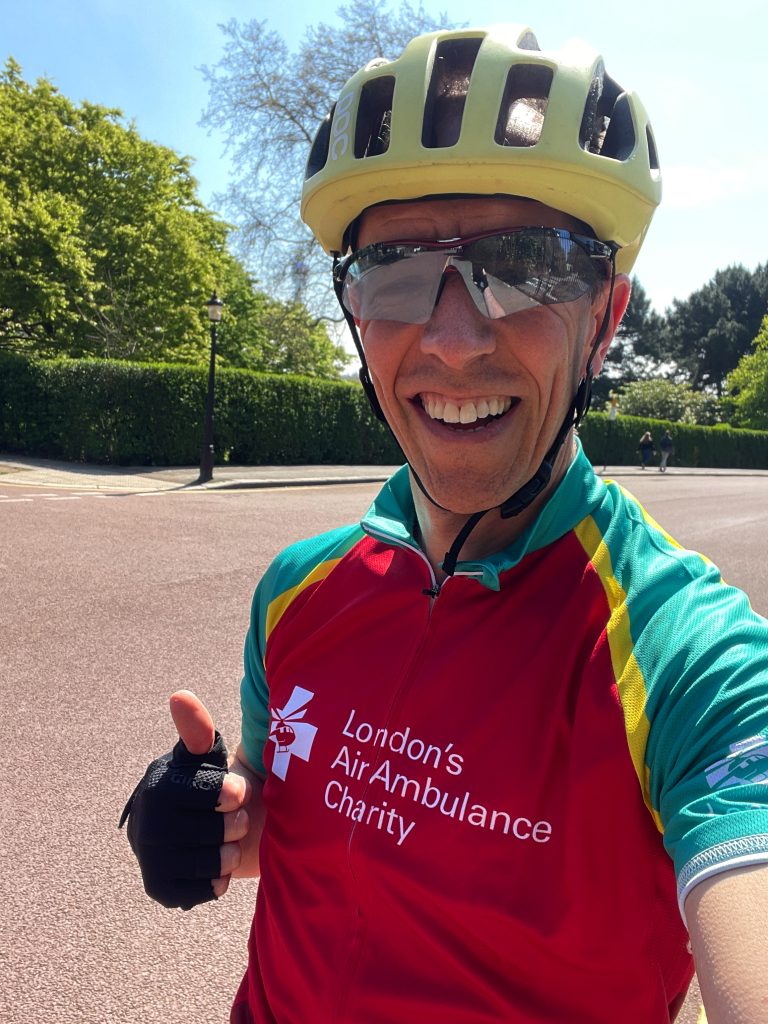
James’ drive is evident in his commitment to push hard on his own physical health. ‘I have always been resilient and love setting myself challenges, whether running the marathon, swimming The Serpentine, or recently, a Hyrox. I find it more challenging to keep fit without a goal.’
James is an art aficionado, too. The curated and unique aesthetic of Optimal Dental Health is testimony to his love of eclectic artwork. Eco-friendly and artistic elements, such as Volker Kühn’s box art and pop-art-inspired mouth mirrors, add style and substance to the clinical setting.
A keen theatre-goer, it is here where he is happiest – ‘in the audience at the theatre, ideally at the Donmar in Covent Garden’. Only a good crime novel keeps him awake at night.
His reimagining of dentistry is as much about transforming his own approach to wellness as it is fostering a more holistic experience for his patients. Always grounded in science, the answer to one final question comes as no surprise: is he guided by his heart or his head? ‘Head,’ replies a clinician for whom an evidence base is paramount. However, one can’t help but sense that the heart is never far behind.
Interested in finding out more about integrative dentistry and holistic care? Dive in to a different way of thinking with our essential guide to holistic dentistry, curated by Dr James Goolnik.
Holistic care
