

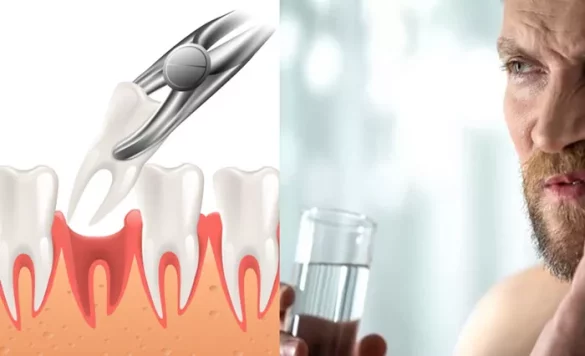
Tooth extraction is a common dental procedure performed to remove a damaged or problematic tooth. After extraction, proper care is crucial to prevent complications such as infection, gum disease, or dry socket. One of the recommended home remedies is rinsing with salt water. But the timing of when to start using salt water is essential for optimal healing and minimizing discomfort.
Why Salt Water Rinses Are Recommended
Salt water rinses are commonly suggested by dentists because they help maintain oral hygiene without disrupting the healing process. Salt has natural antiseptic properties, which can reduce bacteria in the mouth. This is particularly important for patients with sensitive teeth or underlying gum disease, as infection risk is higher after tooth extraction.
Reduces Infection Risk
After extraction, the gum tissue is vulnerable to bacterial invasion. Salt water helps cleanse the area gently, reducing the risk of infection. Maintaining a clean extraction site can prevent complications such as delayed healing or abscess formation.
Promotes Gum Healing
Rinsing with salt water can soothe inflamed gums and improve blood circulation in the area. Improved circulation accelerates tissue regeneration, which is critical for healthy recovery. Patients with sensitive teeth may also experience less pain and swelling.
Helps Prevent Dry Socket
Dry socket occurs when the blood clot that forms in the extraction site is dislodged prematurely. While salt water should not be used immediately after extraction, proper timing of rinsing helps protect the clot and reduces the chance of dry socket, a painful condition that can extend healing time.
Immediate Care After Tooth Extraction
Right after extraction, certain precautions should be taken. The first 24 hours are critical to ensure the blood clot forms and remains intact. Patients should avoid rinsing, spitting forcefully, or using straws. These actions can dislodge the clot and delay healing.
Avoid Salt Water in the First 24 Hours
Immediately after tooth extraction, salt water rinses are not recommended. The blood clot must stabilize to protect the underlying bone and tissue. Using salt water too early can irritate the extraction site and increase bleeding or pain.
Focus on Gentle Oral Hygiene
While salt water is not advised, maintaining oral hygiene is still important. Patients can brush other areas of their mouth gently, avoiding the extraction site. This helps prevent the spread of bacteria that could lead to gum disease or infection.
When to Start Using Salt Water
Most dental professionals recommend starting salt water rinses approximately 24 hours after tooth extraction. At this stage, the blood clot is usually stable, and the gum tissue can tolerate gentle rinsing without disruption.
Preparation of Salt Water Solution
Use warm water and dissolve about half a teaspoon of salt in a cup of water. The solution should be lukewarm to avoid irritation. Avoid using highly concentrated salt solutions as they can harm sensitive tissues.
Proper Rinsing Technique
Gently swish the salt water around the mouth for 30 seconds. Do not spit forcefully; instead, let it fall out of your mouth naturally. Repeat this process 2-3 times a day, especially after meals, to remove food particles and reduce bacteria near the extraction site.
Benefits of Salt Water After 24 Hours
Starting salt water rinses at the correct time provides multiple benefits for healing and oral health.
Reduces Swelling and Discomfort
Warm salt water can relieve swelling and mild pain in the extraction area. Patients with sensitive teeth may notice immediate comfort, allowing for easier eating and speaking during the recovery period.
Prevents Gum Disease
Maintaining oral hygiene with salt water reduces the risk of developing gum disease. Bacterial growth is limited, and the gums remain healthier, which is important for both the extraction site and overall dental health.
Speeds Up Healing
Regular rinsing improves blood flow to the gums and reduces inflammation. This promotes faster tissue regeneration and reduces the likelihood of complications, such as prolonged pain or infection.
Signs You Should Be Cautious
Even after 24 hours, some situations require extra caution with salt water rinses.
Excessive Bleeding
If you notice continuous bleeding, avoid salt water rinses until the bleeding subsides. Contact your dentist for guidance.
Severe Pain or Swelling
Persistent or worsening pain may indicate infection or dry socket. In such cases, salt water rinses may help but professional evaluation is necessary to prevent further complications.
Underlying Gum Disease
Patients with pre-existing gum disease should monitor the extraction site carefully. Salt water can aid healing, but any signs of worsening gum infection require immediate dental attention.
Duration and Frequency of Salt Water Use
Continue using salt water rinses for at least 7-10 days after extraction. The frequency can vary depending on the dentist’s recommendation and the individual’s healing progress.
Twice Daily for Routine Care
Rinsing twice daily is generally sufficient for most patients. One session in the morning and one in the evening helps keep the mouth clean and reduces bacteria accumulation.
After Meals
For faster healing, rinse gently after meals to remove food particles. This prevents irritation and the potential development of sensitive teeth in areas adjacent to the extraction site.
Other Supportive Measures for Healing
While salt water is beneficial, it works best when combined with other post-extraction care practices.
Avoid Smoking and Alcohol
Smoking and alcohol can interfere with healing and increase infection risk. Avoid these substances until the extraction site is fully healed.
Soft Diet
Stick to soft foods during the initial recovery period. Avoid crunchy or hard foods that may disturb the extraction site or sensitive teeth nearby.
Pain Management
Use prescribed medications as directed by your dentist. Over-the-counter pain relievers can be helpful, but avoid medications that may thin the blood unless approved by your dentist.
Monitor for Complications
Watch for signs of infection, excessive swelling, or delayed healing. Contact your dentist promptly if any of these symptoms appear to prevent further complications.
Long-Term Oral Health After Extraction
Using salt water after extraction not only aids immediate healing but also promotes long-term oral health. Maintaining a clean mouth can prevent gum disease and protect remaining teeth, especially sensitive ones. Regular dental checkups ensure the extraction site and surrounding gums remain healthy.
Preventing Future Tooth Loss
Proper care after extraction supports the overall health of your mouth. Strong gums and healthy tissue reduce the risk of further tooth loss and complications related to sensitive teeth or gum disease.
Maintaining Healthy Gums
Salt water rinses can become part of your regular oral hygiene routine. This helps prevent gum disease, keeps your mouth free from infection, and strengthens gums for long-term dental health.
Conclusion
Salt water rinses are a safe and effective way to support healing after tooth extraction. They should not be used in the first 24 hours, but starting afterward can reduce infection risk, soothe sensitive teeth, and promote gum health. Proper technique, frequency, and duration are important to maximize benefits. Along with gentle oral hygiene, soft diet, and monitoring for complications, salt water rinses contribute significantly to recovery and long-term dental wellness.
