


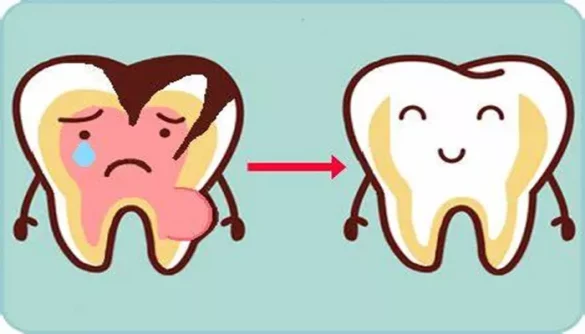
A cavity, also known as dental caries, is a common oral health issue caused by the breakdown of tooth enamel. Bacteria in the mouth feed on sugars and produce acids that gradually destroy the hard structure of teeth. While cavities may start small, they can grow over time, leading to pain, infection, and tooth loss. Understanding how long a cavity can go untreated is essential for maintaining good oral health.
What Causes Cavities?
Cavities form due to a combination of factors:
Poor Oral Hygiene: Inadequate brushing and flossing allow plaque buildup.
High Sugar Diet: Foods high in sugar increase acid production.
Dry Mouth: Saliva helps neutralize acids; low saliva flow raises cavity risk.
Genetic Factors: Some people are more prone to cavities due to enamel strength.
Existing Dental Issues: Cracks, fillings, and braces can create hard-to-clean areas.
Early Stage: White Spots and Enamel Decay
At the earliest stage, a cavity may appear as a white spot on the tooth. This indicates enamel demineralization. At this stage, the damage is reversible with proper oral care and fluoride treatments. Letting a cavity go untreated during this stage may not cause immediate pain, but the enamel continues to weaken.
Moderate Stage: Dentin Exposure
When the enamel breaks down further, the cavity reaches the dentin, the softer layer beneath enamel. At this point, you may experience sensitivity to hot, cold, or sweet foods. Bacteria can spread more quickly in dentin, accelerating decay. If left untreated, the cavity may expand, causing more significant damage and potential infection.
Advanced Stage: Pulp Involvement
In advanced cavities, decay reaches the pulp, the innermost part of the tooth containing nerves and blood vessels. This stage often causes severe pain and swelling. The risk of infection increases, which may lead to an abscess. An abscess is a serious condition that can spread infection to surrounding tissues and even enter the bloodstream, posing systemic health risks.
Factors Affecting Cavity Progression
The speed at which a cavity progresses depends on several factors:
Age: Children’s teeth are softer and may decay faster than adult teeth.
Oral Hygiene Habits: Brushing, flossing, and mouthwash use slow cavity progression.
Diet: Frequent sugar intake accelerates decay.
Fluoride Exposure: Fluoride strengthens enamel and slows cavity formation.
Existing Health Conditions: Diabetes and immune deficiencies can worsen oral infections.
How Long Can a Cavity Go Untreated?
There is no exact timeline for how long a cavity can go untreated. It depends on the tooth affected, the person’s oral hygiene, and diet. Early cavities may remain stable for months or even years. However, once dentin is exposed, the decay accelerates, and untreated cavities can lead to pulp involvement within a few months. In some cases, severe cavities can cause tooth loss in less than a year.
Risks of Delaying Treatment
Letting a cavity go untreated increases the risk of:
Toothache: Pain becomes more severe as decay progresses.
Infection: Bacteria can form abscesses and spread beyond the tooth.
Tooth Loss: Severe decay may require extraction.
Systemic Health Issues: Oral infections may contribute to heart disease, diabetes complications, and other health problems.
Increased Treatment Complexity: Early cavities may need only a filling, while advanced cavities require root canal therapy or crowns.
Signs You Should See a Dentist Immediately
Even if pain is mild, certain symptoms indicate urgent dental attention:
- Persistent toothache or sensitivity
- Visible holes or pits in teeth
- Swelling in gums or face
- Pus or drainage near the tooth
- Fever associated with dental pain
Preventive Measures to Avoid Cavity Progression
Prevention is always better than treatment. Key measures include:
Brushing Twice Daily: Use fluoride toothpaste and brush for two minutes.
Flossing Daily: Removes plaque between teeth.
Regular Dental Checkups: Professional cleaning and early detection of cavities.
Limiting Sugary Foods: Reduce sugar exposure to teeth.
Using Mouthwash: Fluoride-containing rinses can strengthen enamel.
Treatment Options for Cavities
Fillings
Most cavities are treated with fillings. The decayed part of the tooth is removed, and the cavity is filled with composite resin, amalgam, or other materials.
Root Canal Therapy
If decay reaches the pulp, a root canal may be required. The infected pulp is removed, and the canal is sealed to prevent further infection.
Crowns
When a tooth is severely damaged, a crown may be placed to restore strength, shape, and function. Crowns cover the entire tooth, protecting it from further decay.
Extraction
In cases where the tooth is irreparably damaged, extraction may be necessary. Tooth loss can be managed with implants, bridges, or dentures.
Conclusion
While early cavities may seem harmless, letting a cavity go untreated can lead to serious dental and health problems.
Cavities progress through stages, from enamel demineralization to pulp infection, and the speed varies by individual factors. Regular dental checkups, good oral hygiene, and timely treatment are crucial to preventing complications and maintaining overall health. Do not wait for pain to appear; early intervention saves teeth, time, and money.