


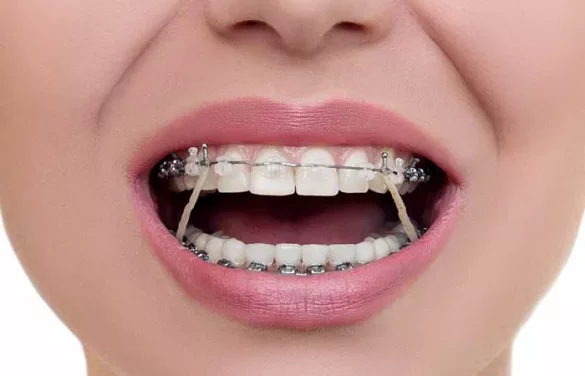
Braces elastics, also called rubber bands, are a crucial part of orthodontic treatment. They are small bands that connect brackets on your upper and lower teeth. Their main purpose is to adjust bite alignment and improve how your teeth fit together. While braces align teeth, elastics help correct the position of the jaw. Understanding how long elastics take to work can help patients manage expectations and maintain consistency during treatment.
Purpose of Braces Elastics
Braces elastics are designed to provide gentle, continuous pressure to move teeth and jaws into the desired position. Some of the main purposes include:
Correcting overbites: Elastics can help bring the upper teeth backward and lower teeth forward.
Correcting underbites: They move the lower jaw backward and upper teeth forward.
Aligning midlines: Elastics help center the upper and lower teeth to match the facial midline.
Improving occlusion: Elastics adjust how the upper and lower teeth bite together for better function.
Types of Braces Elastics
Elastics come in various shapes and sizes, each serving a specific orthodontic purpose. The most common types include:
Class I elastics: Used to close gaps between teeth without affecting the bite.
Class II elastics: Correct overbites by pulling the upper teeth backward and lower teeth forward.
Class III elastics: Correct underbites by pulling the lower teeth backward and upper teeth forward.
Crossbite elastics: Used to move a single tooth or group of teeth sideways to correct crossbite.
How Braces Elastics Work
Braces elastics work by applying continuous, gentle pressure over time. This pressure moves the teeth and jaws into better alignment. The movement occurs because the elastic pulls on the brackets and wires, transmitting force to the teeth and surrounding bone. Over time, bone adapts to the new tooth positions, creating permanent changes. This process is gradual and depends on consistency in wearing the elastics.
Factors Affecting How Quickly Elastics Work
Consistency of Wear
One of the most important factors in how quickly elastics work is patient compliance. Orthodontists typically recommend wearing elastics 20-24 hours per day. Removing elastics for extended periods slows the movement of teeth and can prolong treatment.
Strength and Size of Elastics
Elastics come in different strengths measured in ounces. Heavier elastics apply more force and may move teeth faster but can cause discomfort. Using the correct size and strength as prescribed by your orthodontist ensures safe and effective results.
Type of Malocclusion
The complexity of the bite problem also affects how long elastics take to work. Simple overbites may respond more quickly, while severe underbites or crossbites require more time and careful adjustment.
Age and Bone Density
Children and teenagers usually experience faster tooth movement because their bone is still growing and more adaptable.
Adults may require more time because their bone density is higher and less malleable.
Overall Oral Health
Healthy teeth and gums support faster and safer movement. Gum disease, cavities, or other dental problems can slow down progress and affect the outcome of elastic treatment.
Typical Timeline for Braces Elastics
The timeframe for seeing noticeable results with braces elastics varies from person to person. On average:
Initial Adjustment (1-3 weeks): Patients may feel soreness as teeth start moving.
Early Movement (4-6 weeks): Minor changes in bite and alignment become noticeable.
Moderate Progress (6-12 weeks): Significant correction of bite issues begins.
Long-Term Results (3-6 months): Major adjustments in bite alignment are usually completed.
It is important to remember that these timeframes are general estimates. Each case is unique, and progress depends heavily on compliance and individual biological response.
Signs That Elastics Are Working
There are several indicators that your braces elastics are effective:
- Soreness or pressure: Mild discomfort is normal and shows that teeth are moving.
- Improved bite alignment: You may notice teeth fitting together more naturally.
- Reduced gaps or overlap: Spaces between teeth start to close.
- Jaw movement comfort: Over time, biting and chewing may feel more balanced.
Tips for Maximizing the Effectiveness of Elastics
Wear Elastics as Prescribed
Always follow your orthodontist’s instructions. Consistent wear ensures faster and more predictable results. Remove elastics only when eating or brushing teeth unless instructed otherwise.
Replace Elastics Regularly
Elastics lose elasticity over time. Changing them 3-5 times per day or as recommended ensures continuous force and optimal movement.
Maintain Oral Hygiene
Good oral hygiene is crucial. Brush and floss regularly to prevent cavities or gum issues that may interfere with treatment.
Monitor Your Bite and Comfort
Keep track of changes and report any issues to your orthodontist. Pain that does not subside or broken elastics can delay progress.
Common Challenges with Braces Elastics
Some patients experience difficulties while wearing elastics. Common challenges include:
- Discomfort or soreness: Usually temporary and indicates movement.
- Elastic breakage: Can interrupt treatment if not replaced promptly.
- Difficulty remembering to wear elastics: Consistency is critical for timely results.
- Allergic reactions: Rare, but some patients may react to latex elastics. Non-latex alternatives are available.
Role of Orthodontic Checkups
Regular orthodontic appointments are essential. Your orthodontist will monitor progress, adjust wires and brackets, and provide new instructions for elastic wear. Skipping visits can delay results and affect the overall treatment timeline.
Conclusion
Braces elastics are an essential tool for correcting bite and jaw alignment. They work by applying gentle, consistent pressure that gradually moves teeth and adjusts the bite. Results vary depending on age, compliance, type of malocclusion, and oral health. Typically, patients see initial movement within a few weeks, with significant progress over several months.
Following your orthodontist’s instructions, maintaining consistency, and practicing good oral hygiene are key to ensuring elastics work effectively and efficiently.