

Cavity fillings are a vital part of modern dental care. They are used to restore teeth damaged by decay and prevent further deterioration. But how long do these fillings last? The answer depends on several factors including the type of material used, oral hygiene habits, eating behaviors, and the presence of conditions like gum disease or sensitive teeth. In this article, we explore everything you need to know about cavity fillings, including ways to extend their life.
Types of Dental Fillings and Their Average Lifespan
Amalgam Fillings
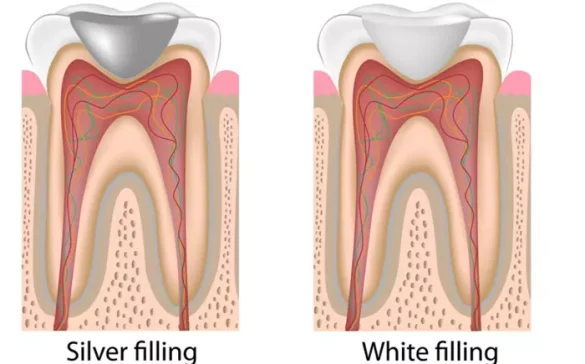
Amalgam fillings, also known as silver fillings, have been in use for over a century. These fillings are made from a mixture of mercury, silver, tin, and copper. They are durable and often used in back teeth where the pressure from chewing is the greatest.
Average lifespan: 10 to 15 years, sometimes longer.
Advantages: Strong, long-lasting, cost-effective.
Disadvantages: Metallic appearance, possible sensitivity, potential mercury concerns (though generally safe).
Composite Resin Fillings
Composite fillings are tooth-colored and preferred for their aesthetic appeal. They are made from a mixture of plastic and fine glass particles and are bonded directly to the tooth.
Average lifespan: 5 to 7 years.
Advantages: Blends with natural teeth, preserves more tooth structure.
Disadvantages: Less durable than amalgam, may stain over time, more prone to wear.
Gold Fillings
Gold fillings, though less common today due to cost and aesthetics, are extremely durable. They are custom-made in a lab and cemented into place.
- Average lifespan: 15 to 30 years.
- Advantages: Extremely durable, non-corrosive.
- Disadvantages: Expensive, noticeable color.
Ceramic Fillings
Made of porcelain, ceramic fillings are more resistant to staining than composite resin and also blend well with natural teeth.
- Average lifespan: 10 to 15 years.
- Advantages: Good aesthetics, stain resistance.
- Disadvantages: Costly, can be brittle under certain conditions.
Factors That Influence How Long Fillings Last
1. Type of Material Used
As discussed, some materials are inherently more durable than others. Gold and amalgam tend to last longer than composite resin or ceramic. Choose based on your needs, aesthetic preferences, and budget.
2. Oral Hygiene Practices
Consistent brushing, flossing, and use of fluoride toothpaste can significantly increase the lifespan of fillings. Poor hygiene can lead to secondary decay around the filling.
3. Chewing Habits
Grinding teeth (bruxism), chewing hard foods like ice or nuts, or using teeth as tools can shorten a filling’s life. If you grind your teeth at night, a dentist may recommend a night guard.
4. Presence of Gum Disease
Gum disease can indirectly affect the stability of fillings. Receding gums can expose more of the tooth surface, potentially creating areas where decay can form near a filling, leading to its failure.
5. Tooth Sensitivity
Sensitive teeth may signal problems with your fillings, such as cracks or leakage. Sensitivity to hot or cold after getting a filling is common but should fade within a few days. If it persists, see your dentist.
6. Location of the Filling
Fillings in back molars endure more pressure and wear than those in front teeth. Thus, they may wear out faster and need more frequent replacement.
Signs That a Filling Needs Replacement
- Visible cracks or worn areas in the filling
- Tooth pain or sensitivity when chewing or drinking hot/cold items
- Discoloration around the filling
- Food consistently gets stuck in the filled tooth
- The filling feels loose or has fallen out
Regular dental checkups are crucial to detect these signs early. Dentists use visual exams, X-rays, and other diagnostic tools to assess the condition of your fillings.
How to Extend the Lifespan of Your Fillings
1. Maintain Excellent Oral Hygiene
Brush twice a day, floss daily, and use antimicrobial mouthwash. Regular fluoride treatments can also help strengthen the remaining natural tooth around the filling.
2. Avoid Hard Foods and Bad Habits
Refrain from chewing ice, opening packages with your teeth, or biting your nails. These habits stress both your natural teeth and your fillings.
3. Treat Underlying Conditions
If you suffer from bruxism or clenching, using a night guard or getting therapy may help preserve your fillings. Addressing gum disease is also essential in maintaining overall oral health.
4. Attend Regular Dental Checkups
Visit your dentist every six months. They can professionally clean your teeth, monitor filling integrity, and provide early intervention if issues arise.
What Happens When a Filling Fails?
A failed filling can allow bacteria to enter the tooth, leading to decay beneath the restoration. This can cause infection, abscess, or even the need for a root canal or tooth extraction if untreated. Early detection is key.
Are Replacements More Expensive?
The cost of replacing a filling depends on its type, size, and location. Replacing with the same material is typically straightforward and not overly expensive. However, if the tooth has worsened or a new material is used, costs may increase. If gum health or sensitivity issues arise, additional treatment may be required.
Children vs. Adults: Does It Make a Difference?
Fillings in children often last a shorter time due to growing mouths and dietary habits. Adults with stable oral anatomy and better hygiene habits may retain fillings for much longer, especially if no gum disease or bruxism is present.
Conclusion
The lifespan of a cavity filling is determined by multiple factors, including the type of material used, your oral habits, and any existing conditions such as gum disease or sensitive teeth. While amalgam and gold fillings can last decades, composite and ceramic options require more frequent replacement. Consistent dental hygiene and regular checkups can help you get the most out of your restorations. If you’re unsure about the condition of your fillings, schedule a consultation with your dentist for a thorough evaluation and personalized advice.
