


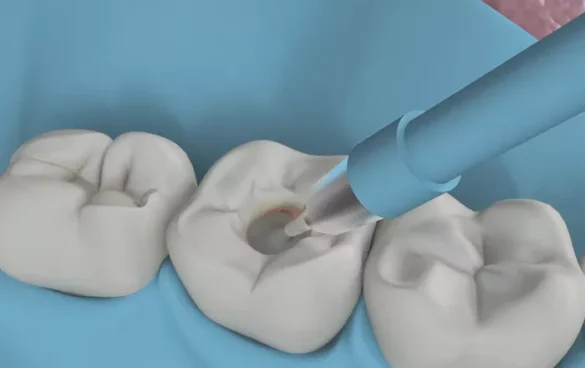
Composite fillings are a popular choice for repairing front teeth. They blend well with natural tooth color. People often want to know how long these fillings will last. This article explains the lifespan of composite fillings on front teeth and the factors that affect their durability. We will also talk about related dental concerns like gum disease and sensitive teeth. This helps you take better care of your smile.
What Are Composite Fillings?
Definition and Composition
Composite fillings are made from a mixture of plastic resin and fine glass particles. This combination creates a strong, tooth-colored material. Dentists use composite resin to fill cavities or repair chipped or cracked front teeth. Because they look natural, composites are ideal for front teeth where appearance matters most.
Advantages of Composite Fillings on Front Teeth
Aesthetic Appeal: Composite fillings match the color of your natural teeth, making them nearly invisible.
Bonding Strength: They bond directly to the tooth structure, which helps strengthen the tooth.
Less Drilling: Usually, less healthy tooth material needs to be removed compared to metal fillings.
Repairable: If minor chips or damage happen, composites can often be repaired without full replacement.
How Long Do Composite Fillings Last on Front Teeth?
Typical Lifespan
Composite fillings on front teeth usually last between 5 and 10 years. Some may last longer with good care, while others may need replacement sooner. The lifespan depends on many factors. These include how well the filling was placed, your oral hygiene habits, and your lifestyle.
Factors Influencing Longevity
Size and Location of Filling
Smaller fillings generally last longer. Larger fillings may face more stress and wear. Since front teeth mostly bite and chew softer food, fillings there can last longer than on back teeth.
Bite Pressure and Teeth Grinding
People who grind their teeth or have a strong bite may cause fillings to wear or crack faster. This is called bruxism and can reduce composite lifespan.
Oral Hygiene
Poor oral hygiene can cause decay around the filling edges. This leads to failure and the need for replacement. Brushing, flossing, and regular dental check-ups help extend the life of fillings.
Diet and Habits
Eating hard foods, chewing ice, or biting nails can damage composite fillings. Acidic drinks like soda or fruit juice may weaken the composite surface over time.
Placement Technique
The skill and technique of the dentist play a big role. Proper bonding and layering ensure better durability.
Signs That Your Composite Filling Needs Attention
Visible Cracks or Chips
Check your front teeth for cracks or chips in the filling. These can weaken the restoration and allow bacteria to enter.
Tooth Sensitivity
If you feel sharp pain or sensitivity to hot, cold, or sweet foods near the filled tooth, it may be a sign of filling failure or decay underneath.
Discoloration or Staining
Composite fillings can stain over time. Dark spots or color changes may indicate wear or leakage.
Rough or Uneven Surface
If the filling surface feels rough or uneven when you run your tongue over it, this may mean the composite has worn down or chipped.
Gum Irritation and Gum Disease
Improperly contoured fillings can irritate gums and cause inflammation. This can lead to gum disease, which affects overall dental health and may shorten filling life.
How to Care for Composite Fillings on Front Teeth
Maintain Good Oral Hygiene
Brush your teeth twice daily with fluoride toothpaste. Use a soft-bristled toothbrush to avoid gum irritation. Floss daily to remove plaque between teeth and around fillings.
Regular Dental Check-Ups
Visit your dentist every six months. They can check fillings for damage and clean areas you might miss. Early detection of problems helps prevent tooth decay and gum disease.
Avoid Harmful Habits
Don’t bite hard objects like ice, pens, or nails. Limit acidic and sugary drinks to reduce enamel erosion and composite wear.
Manage Sensitive Teeth
If you experience sensitivity, use toothpaste for sensitive teeth and avoid extreme temperature foods. Sensitive teeth near composite fillings may indicate microleakage or gum issues needing dental care.
Wear a Night Guard If Needed
If you grind your teeth at night, a custom night guard protects fillings and teeth from excessive pressure and damage.
Composite Fillings and Gum Disease: What’s the Link?
Impact of Gum Disease on Fillings
Gum disease causes inflammation and gum recession. When gums pull away from teeth, the edges of fillings may be exposed to bacteria. This increases the risk of decay around the filling and shortens its lifespan.
Filling Placement and Gum Health
Fillings placed too close to or under the gum line can irritate the gums. This may lead to plaque buildup and gum disease if not managed properly.
Maintaining Gum Health to Protect Fillings
Keeping gums healthy through good oral hygiene and professional cleanings helps protect the area around composite fillings. Healthy gums support fillings and reduce the chance of failure.
When Should Composite Fillings Be Replaced?
Signs of Failure
Composite fillings should be replaced if they show significant wear, cracks, or decay beneath them. Your dentist will examine and decide if repair or replacement is needed.
Routine Replacement Timeline
Even without visible problems, composite fillings may need replacement after 7-10 years to maintain strength and appearance.
Replacement Procedure
The dentist removes the old filling, cleans the cavity, and places a new composite restoration. This ensures continued protection and a natural look.
Alternative Filling Options for Front Teeth
Porcelain Veneers
For larger or heavily damaged front teeth, porcelain veneers offer a durable and aesthetic alternative to composite fillings.
Glass Ionomer Fillings
Used sometimes for patients with sensitivity or high risk of decay, these materials release fluoride but are less aesthetic than composites.
Conclusion
Composite fillings on front teeth typically last 5 to 10 years. Their lifespan depends on factors such as oral hygiene, diet, dental habits, and gum health. Proper care and regular dental visits can extend the life of your fillings and keep your teeth healthy. Paying attention to signs like sensitivity, cracks, or gum irritation can help catch problems early. If you care for your composite fillings and gums well, you can enjoy a natural-looking smile for many years.