


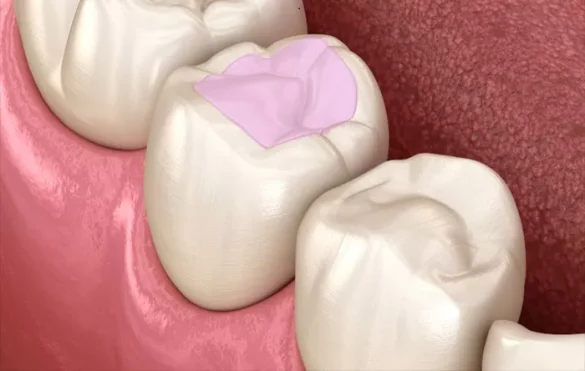
Glass ionomer fillings are a type of dental restoration used to repair cavities and protect weakened teeth. They are made from a blend of acrylic acids and fine glass powders. This material offers several advantages, including fluoride release, chemical bonding to tooth structure, and ease of application in sensitive areas. Understanding how long these fillings last helps patients make informed decisions about their oral health.
Composition and Benefits of Glass Ionomer Fillings
Glass ionomer fillings are valued for their unique composition. They combine fluoroaluminosilicate glass and polyacrylic acid, which form a hard, durable material when mixed. The key benefits include:
Fluoride Release: Helps prevent further decay by strengthening surrounding enamel.
Chemical Bonding: Directly bonds to enamel and dentin without requiring a separate adhesive.
Moisture Tolerance: Can be placed in areas difficult to isolate, such as near the gum line.
Biocompatibility: Gentle on the pulp and less likely to cause sensitivity compared to other filling materials.
Average Lifespan of Glass Ionomer Fillings
The longevity of glass ionomer fillings depends on several factors, including the location of the filling, the size of the cavity, and the patient’s oral hygiene habits. On average, these fillings last between 3 to 7 years. However, in some cases, they may last up to 10 years if properly maintained. Factors influencing lifespan include:
Location in the Mouth
Glass ionomer fillings placed in low-stress areas, such as the front teeth, tend to last longer than those in high-stress areas like molars. Chewing forces can cause wear and fracture in back teeth, reducing the overall durability.
Size of the Filling
Larger fillings that replace a significant portion of the tooth structure are more prone to cracking and may require replacement sooner than smaller fillings. Smaller restorations typically last longer due to less stress on the material.
Oral Hygiene Practices
Maintaining proper oral hygiene is critical to prolonging the life of any dental restoration. Regular brushing, flossing, and professional cleanings help prevent decay around the filling margins, which can compromise the integrity of glass ionomer fillings.
Diet and Lifestyle Factors
Diets high in sugar and acidic foods can erode dental fillings faster. Additionally, habits like teeth grinding or nail biting can shorten the lifespan of glass ionomer fillings.
Comparison with Other Filling Materials
Understanding how glass ionomer fillings compare to other materials can help in choosing the right option for long-term dental health.
Composite Fillings
Composite fillings, made from resin and silica, are more durable than glass ionomer in high-stress areas. They can last 7 to 10 years or longer, but they do not release fluoride. Glass ionomer may be preferred in children or areas where fluoride benefit is important.
Amalgam Fillings
Amalgam fillings, made from metal alloys, can last 10 to 15 years or more. They are highly durable but less aesthetic than glass ionomer and do not provide fluoride release. Glass ionomer is more visually appealing and suitable for patients concerned with cosmetic outcomes.
Factors Affecting Glass Ionomer Filling Longevity
Tooth Preparation
Proper preparation of the tooth surface is critical. If the tooth is not cleaned and dried appropriately, or if the cavity is too large, the bond may weaken over time. Correct technique ensures optimal adhesion and prolongs the life of the filling.
Placement Technique
Glass ionomer fillings require careful layering and curing. Dental professionals often use a protective coating after placement to minimize early wear. Improper placement can lead to early failure.
Regular Dental Checkups
Routine dental visits allow early detection of filling wear or decay. Dentists can polish, repair, or replace fillings before they fail completely, extending their functional lifespan.
Patient Behavior
Chewing on hard objects, teeth grinding, and poor oral hygiene can significantly reduce the lifespan of glass ionomer fillings. Protective measures, like mouthguards, can help mitigate damage from grinding.
Signs That a Glass Ionomer Filling Needs Replacement
Patients should monitor their fillings for signs of wear or failure. Common indicators include:
- Cracks or Chips: Visible damage may compromise tooth protection.
- Tooth Sensitivity: Increased sensitivity may indicate decay under the filling.
- Discoloration: Darkening of the filling or surrounding tooth suggests material breakdown.
- Loose Filling: Movement or detachment requires immediate attention.
Maintenance Tips for Longevity
Extending the life of glass ionomer fillings involves simple yet effective steps:
Oral Hygiene
Brush twice daily with fluoride toothpaste and floss once a day to minimize plaque buildup around fillings.
Dietary Habits
Limit sugary and acidic foods. Drink plenty of water to help maintain a neutral oral pH.
Regular Dental Visits
Schedule professional cleanings and checkups every six months. Early intervention can prevent small issues from becoming major problems.
Protective Measures
Use a mouthguard if you grind your teeth or play contact sports. Avoid using teeth as tools for opening packages or biting hard objects.
Special Considerations for Children
Glass ionomer fillings are often preferred for children because they release fluoride, which helps prevent further decay. Children may also benefit from the ease of placement without extensive anesthesia. However, due to higher wear from chewing and biting habits, these fillings may need replacement sooner than in adults.
Conclusion
Glass ionomer fillings provide a reliable and fluoride-releasing option for restoring decayed or damaged teeth. Their lifespan generally ranges from 3 to 7 years, with proper care, they can last even longer. Factors such as tooth location, size of the filling, oral hygiene, and dietary habits play a significant role in determining durability. Regular dental checkups and mindful oral care can maximize the longevity of these fillings. Understanding the strengths and limitations of glass ionomer fillings allows patients to make informed choices for their long-term dental health.