

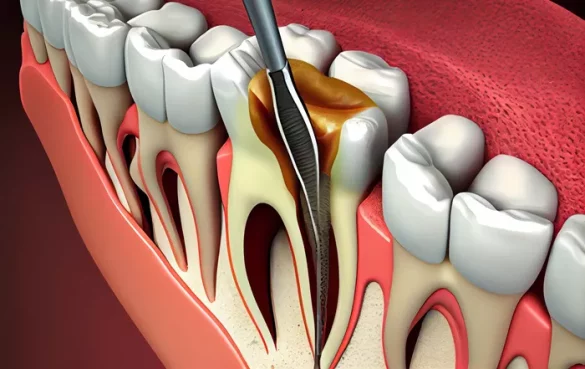
Root canal treatment is one of the most common dental procedures, designed to save a tooth that has been severely damaged or infected. Many patients wonder how long a root canal will last and whether it is a permanent solution. This guide explains the average lifespan of root canals, the factors that affect their longevity, and what you can do to keep your treated tooth healthy for years to come.
Understanding What a Root Canal Is
A root canal is a dental procedure that removes infected or damaged pulp from inside the tooth. The pulp contains nerves, blood vessels, and connective tissue. When the pulp becomes infected due to deep decay, gum disease, or trauma, it can cause pain, swelling, and abscess formation. A root canal eliminates the infection, preserves the tooth structure, and prevents the spread of bacteria to surrounding tissues.
Why Root Canals Are Necessary
Root canals are necessary when the tooth pulp is irreversibly damaged. Common causes include:
- Untreated tooth decay that reaches the pulp
- Repeated dental procedures on the same tooth
- Cracks or chips in the tooth
- Advanced gum disease affecting the tooth root
- Trauma from injury
Average Lifespan of a Root Canal
Studies show that most root canals can last between 8 and 15 years, and many last a lifetime with proper care. Some teeth remain functional decades after treatment. The success rate is generally high—over 90% in many cases—especially when the tooth is properly restored with a crown after the procedure.
Short-Term vs. Long-Term Success
The initial years after treatment are critical. If the tooth remains infection-free during this period, the long-term outlook is good. However, reinfection, poor oral hygiene, or structural damage to the tooth can shorten the lifespan.
Factors That Affect How Long a Root Canal Lasts
1. Quality of the Dental Procedure
The skill of the dentist or endodontist plays a major role. Accurate cleaning, shaping, and sealing of the root canals prevent bacterial leakage. If any part of the canal is missed, bacteria can remain and cause reinfection.
2. Type of Tooth Treated
Front teeth typically have one canal and are easier to treat, leading to longer-lasting results. Molars have multiple canals and are more complex, which can slightly reduce longevity.
3. Restoration After Treatment
A crown or permanent filling seals the treated tooth. Without a good restoration, bacteria can re-enter the tooth, or the structure can fracture under chewing pressure.
4. Oral Hygiene Practices
Good daily habits, such as brushing twice daily, flossing, and using mouthwash, help prevent decay or gum disease that can compromise the treated tooth.
5. Presence of Gum Disease
Gum disease weakens the bone and tissues supporting the tooth. Even a successfully treated root canal tooth can be lost if advanced periodontal disease develops.
6. Personal Habits and Diet
Chewing on hard objects, grinding teeth, or consuming excessive sugary foods can damage a treated tooth and reduce its lifespan.
Signs a Root Canal May Need Retreatment
Even well-performed root canals can fail over time. Watch for these warning signs:
- Persistent or returning pain
- Swelling in gums near the tooth
- Tooth discoloration
- Sensitivity to pressure or temperature
- Gum boils or abscess formation
How to Make a Root Canal Last Longer
1. Get a Crown or Proper Filling Quickly
Delay in restoring the tooth after a root canal increases the risk of fracture or reinfection. A crown provides strength and protection.
2. Maintain Excellent Oral Hygiene
Brush at least twice daily with fluoride toothpaste, floss once daily, and use antibacterial mouth rinse to reduce plaque buildup and prevent gum disease.
3. Schedule Regular Dental Check-Ups
Your dentist can detect early signs of problems before they become severe. X-rays may be used to check the root canal seal over time.
4. Avoid Habits That Stress the Tooth
Don’t chew ice, hard candies, or use your teeth as tools. If you grind your teeth at night, use a mouthguard.
5. Treat Gum Disease Early
If you notice bleeding gums, swelling, or bad breath, seek treatment promptly to avoid bone loss around the tooth.
Root Canal vs. Tooth Extraction Longevity
Some patients ask whether extraction is better. While extraction removes the problem tooth entirely, it also creates a gap that can cause shifting teeth and bone loss. Dental implants can last decades, but they are more expensive and involve surgery. A well-done root canal with a crown can last just as long while keeping your natural tooth intact.
Special Considerations for Sensitive Teeth
Some people have sensitive teeth after a root canal. This usually resolves within weeks but can persist if inflammation or bite problems remain. Using a soft-bristled toothbrush, avoiding acidic foods, and following your dentist’s bite adjustment recommendations can help.
When Retreatment or Surgery Is Needed
If a root canal fails, your dentist may perform retreatment, which involves reopening the tooth, cleaning the canals again, and resealing them. In some cases, an apicoectomy (surgical removal of the tip of the root) is necessary to remove infection. Both options can extend the life of the tooth significantly.
Conclusion
Most root canals last 8–15 years, and many last a lifetime with excellent care. The key is to combine professional skill, proper restoration, and ongoing oral hygiene. Avoiding gum disease, protecting against sensitive teeth, and getting regular check-ups will give your treated tooth the best chance of lasting for decades.
