

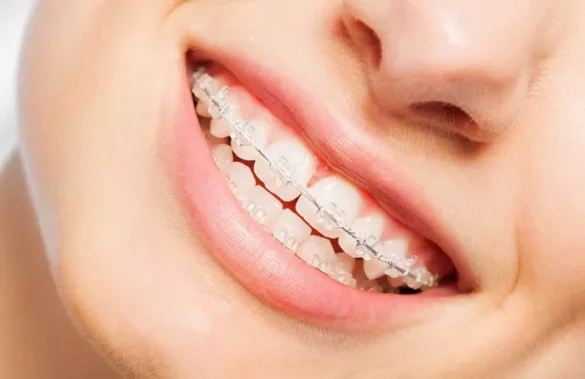
Self-ligating braces are a modern orthodontic solution that many patients choose for teeth straightening. Unlike traditional braces that use elastic bands to hold the archwire in place, self-ligating braces use small clips or doors. These clips reduce friction and make adjustments easier. Patients often ask: how long do self-ligating braces take compared to traditional braces? This article explores treatment duration, key factors, and the impact on oral health conditions such as gum disease and sensitive teeth.
What Are Self-Ligating Braces?
Self-ligating braces are orthodontic appliances that look similar to traditional braces. However, they do not require elastic or metal ties. Instead, they use specialized brackets with built-in clips to secure the archwire. This design allows for smoother tooth movement, reduced friction, and fewer adjustment appointments. The main types include passive and active self-ligating systems, both aimed at improving efficiency and comfort during treatment.
How Do Self-Ligating Braces Work?
The mechanism behind self-ligating braces is straightforward. The archwire is held in place by a clip rather than an elastic tie. This allows the wire to slide more freely, which helps align teeth gradually with consistent pressure. Since less friction is present, teeth may move faster compared to traditional braces. Orthodontists can also make quicker adjustments, which may shorten overall chair time for the patient.
Average Treatment Time with Self-Ligating Braces
The typical treatment time for self-ligating braces ranges from 18 to 30 months. This timeframe is similar to traditional braces, though some patients may experience slightly faster results depending on the complexity of their case. For mild misalignments, treatment can take as little as one year. Severe crowding or jaw alignment issues may require closer to three years of treatment.
Comparison with Traditional Braces
Traditional braces usually take about 20 to 36 months to achieve results. Self-ligating braces may reduce treatment duration by a few months, but the difference is often modest. The biggest advantage is comfort, easier oral hygiene, and fewer appointments rather than a dramatic reduction in treatment time.
Factors That Affect Treatment Duration
Several factors determine how long self-ligating braces will take for a specific patient. These include:
Severity of Misalignment
Patients with minor spacing or alignment issues usually finish treatment faster. Severe cases, such as significant crowding, crossbite, or overbite, require more time. Orthodontists assess X-rays and impressions to estimate duration.
Age of the Patient
Children and teenagers often respond more quickly to orthodontic treatment because their jaws are still developing. Adults may require longer treatment since their bone structure is fully formed.
Patient Compliance
Following orthodontist instructions, attending regular appointments, and maintaining oral hygiene can speed up treatment. Missed visits or neglecting care may prolong results.
Oral Health Conditions
Conditions such as gum disease or sensitive teeth can impact treatment. Active gum disease must be treated before braces are placed. Sensitivity may require slower adjustments, which can extend the timeline.
Benefits of Self-Ligating Braces Beyond Time
Although the main question is how long self-ligating braces take, patients should also consider additional benefits:
Improved Oral Hygiene
Since elastic ties are not used, food particles and plaque have fewer places to hide. This reduces the risk of cavities and gum disease during treatment.
Comfort During Treatment
With less friction between the wire and brackets, patients often report less discomfort. This can be particularly helpful for individuals with sensitive teeth.
Fewer Office Visits
Self-ligating braces require fewer adjustments. Orthodontists often space out appointments every 8 to 10 weeks rather than every 4 to 6 weeks, saving time for patients.
Self-Ligating Braces and Oral Health
Orthodontic treatment not only straightens teeth but also improves oral health. Misaligned teeth can make it difficult to clean properly, increasing the risk of cavities and gum disease. Self-ligating braces help reduce these risks by making oral hygiene easier compared to traditional braces.
Impact on Gum Disease
Patients with a history of gum disease should be carefully monitored during treatment. Because self-ligating braces allow easier brushing and flossing, they may be a safer option for patients at risk of gum inflammation.
Considerations for Sensitive Teeth
Sensitive teeth can make orthodontic treatment uncomfortable. Self-ligating braces apply gentler, more consistent pressure, which may reduce pain compared to traditional braces.
Myths About Self-Ligating Braces Treatment Time
Some advertisements claim that self-ligating braces cut treatment time in half. While they can be slightly faster, this is not always the case. Treatment depends more on the individual’s dental needs than the type of braces used. Patients should rely on professional guidance rather than marketing promises.
Tips to Shorten Treatment with Self-Ligating Braces
- Attend all orthodontic appointments on schedule
- Maintain excellent oral hygiene to prevent gum disease
- Avoid foods that can damage brackets and wires
- Wear elastics or other appliances as directed
- Report issues such as broken brackets promptly
When to Consider Other Orthodontic Options
While self-ligating braces are effective, some patients may prefer alternatives like clear aligners or ceramic braces. Each option has its pros and cons. Clear aligners may offer faster treatment for mild cases, but they require strict compliance. Ceramic braces are more discreet but may extend treatment time due to increased friction.
Conclusion
So, how long do self-ligating braces take? On average, treatment lasts between 18 and 30 months, depending on case complexity, age, and oral health. Although they may not drastically reduce overall treatment time compared to traditional braces, they provide added benefits such as comfort, easier hygiene, and fewer appointments. For patients with concerns about gum disease or sensitive teeth, self-ligating braces may be a more suitable orthodontic choice. Ultimately, only an orthodontist can provide a personalized estimate after a full evaluation.
