

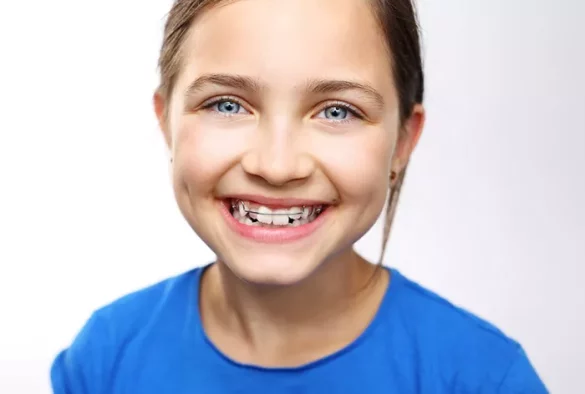
Overlapping teeth are a type of dental misalignment where one or more teeth do not sit properly beside their neighbors. Instead, they overlap, creating crowding in the dental arch. This condition can lead to a variety of oral health issues, including increased risk for gum disease, sensitive teeth, tooth decay, and difficulty cleaning between teeth. Braces are a common and effective orthodontic treatment for correcting overlapping teeth.
Why Overlapping Teeth Require Treatment
Correcting overlapping teeth isn’t just about appearance. While aesthetics play a role, the underlying reasons for treatment go deeper. Overlapping can lead to improper bites, enamel wear, and inflammation of the gums. Poor alignment also contributes to plaque buildup in hard-to-reach areas, which increases the likelihood of gum disease and tooth loss. Treating overlapping teeth improves both form and function.
Types of Braces for Overlapping Teeth
Traditional Metal Braces
These are the most common form of braces used to correct overlapping teeth. They consist of metal brackets and wires that are adjusted regularly to shift teeth into the correct position. They are durable and suitable for even severe crowding cases.
Ceramic Braces
Ceramic braces work like traditional braces but are less visible due to their clear or tooth-colored brackets. They are a popular option among adults seeking less conspicuous treatment.
Lingual Braces
Lingual braces are attached to the back of the teeth, making them invisible from the front. They are customized and can be effective for mild to moderate overlapping cases, but they may not be suitable for everyone.
Clear Aligners (e.g., Invisalign)
Clear aligners are removable trays made from transparent plastic. They are ideal for mild to moderate cases of overlapping teeth. While they are not suitable for severe misalignment, they offer more flexibility and comfort.
Factors Affecting How Long Braces Are Needed
There is no single answer to how long braces will be needed to correct overlapping teeth. The treatment timeline is influenced by various factors, including:
Severity of Overlapping
Mild overlapping may require 6 to 12 months of treatment. Moderate cases usually take 12 to 18 months, while severe overlapping can take up to 24 months or longer.
Age of the Patient
Younger patients typically experience faster results because their jaws are still growing and more responsive to orthodontic changes. Adults may require longer treatment periods.
Type of Braces Used
Some systems, like self-ligating braces or clear aligners, can speed up treatment in suitable cases. However, for more complex overlap, traditional braces may be required for longer durations.
Compliance with Orthodontist Instructions
Patients who follow guidelines, wear elastics if prescribed, and maintain good oral hygiene may complete treatment sooner than those who do not.
Average Treatment Time for Overlapping Teeth
On average, most people wear braces to correct overlapping teeth for:
- 6 to 12 months for mild cases
- 12 to 24 months for moderate cases
- 24 to 36 months for severe cases
Your orthodontist will provide a customized estimate based on initial examination and progress.
The Importance of Early Intervention
Treating overlapping teeth early can reduce the duration of treatment and prevent further complications. Early orthodontic evaluations are recommended by age 7, according to the American Association of Orthodontists. Interceptive treatment at this stage may include spacers or expanders that shorten future time in braces.
Retainers After Braces
Even after braces are removed, retainers are crucial to maintaining the alignment. Overlapping teeth have a tendency to shift back if retainers are not worn as prescribed. Retainers are typically worn:
- Full-time for the first 3 to 6 months
- Night-time wear thereafter, often indefinitely
Challenges During Treatment
Wearing braces to fix overlapping teeth can come with temporary discomfort. Patients may experience sensitive teeth, gum irritation, or difficulty eating certain foods. Proper oral hygiene is essential during this period to prevent gum disease and cavities.
Tips for Faster Treatment Results
- Follow all orthodontist instructions strictly
- Avoid damaging foods like sticky candy or hard nuts
- Attend all scheduled appointments
- Maintain excellent oral hygiene to prevent delays
- Wear elastics and other appliances exactly as directed
Risks of Delaying Braces for Overlapping Teeth
Postponing treatment can worsen crowding, lead to gum disease, and increase the risk of tooth damage and enamel wear. Severe cases may eventually require tooth extraction or surgical intervention. Addressing the problem promptly ensures better outcomes and reduces overall treatment time.
Comparing Braces vs. Aligners for Overlapping Teeth
Braces
- More effective for severe cases
- Fixed and always working
- May be more affordable
Aligners
- Discreet and removable
- Require discipline to wear 20–22 hours a day
- Less effective for major overlapping
Post-Treatment Monitoring and Checkups
After braces are removed, routine checkups are essential to monitor alignment and oral health. Dentists may check for recurrence of overlapping, inspect for signs of gum disease, and ensure retainers are fitting properly.
Psychological and Social Benefits
Correcting overlapping teeth can significantly improve self-esteem, speech clarity, and willingness to smile. These improvements often enhance social interactions and boost confidence, especially in teens and young adults.
Conclusion
The length of time you’ll need braces for overlapping teeth depends on various factors, including severity, age, and type of treatment. With proper care, most cases can be treated in 12 to 24 months. Early intervention and compliance with treatment plans can significantly reduce the overall duration. Addressing overlapping teeth not only improves your smile but also prevents gum disease, sensitive teeth, and long-term dental complications.
