


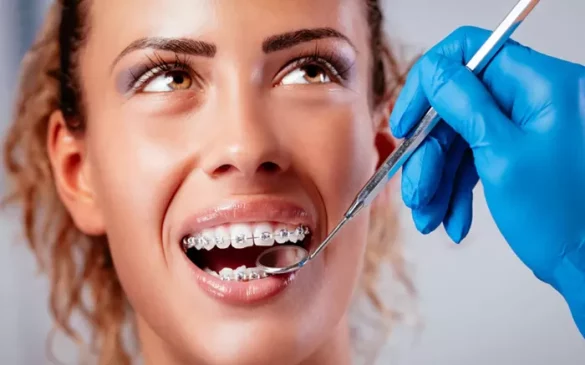
Gaps between teeth, also known as diastemas, are common orthodontic issues. These spaces can appear between any teeth but are most noticeable between the two upper front teeth. Many people seek treatment to close these gaps for both aesthetic and functional reasons.
Braces are one of the most effective and widely used methods to close gaps. They work by applying steady pressure on the teeth, gradually moving them closer together. However, the time it takes to fix gaps with braces varies widely depending on several factors.
Factors Influencing the Duration of Gap Closure with Braces
There is no fixed timeline for how long braces take to close gaps because treatment duration depends on individual cases. Some common factors that influence the time include:
1. Size of the Gap
Small gaps may close relatively quickly, sometimes within a few months. Larger gaps, especially those wider than 2-3 millimeters, generally require longer treatment times. This is because moving teeth over a larger distance requires more gradual adjustments to avoid damage to roots and surrounding bone.
2. Age of the Patient
Younger patients, such as teenagers or children, tend to have faster orthodontic movement because their bones are still growing and more adaptable. Adults usually experience slower tooth movement, which can lengthen treatment time.
3. Type of Braces Used
Different types of braces can affect the speed of gap closure:
Traditional metal braces are very effective and typically offer steady results.
Ceramic braces work similarly but might require slightly longer treatment due to their fragility and need for gentler forces.
Clear aligners (e.g., Invisalign) may take longer for larger gaps because each aligner stage moves teeth only a small amount.
4. Complexity of the Overall Bite
Gaps are often part of a larger orthodontic problem, such as misaligned bites or crowded teeth in other areas. When multiple issues must be corrected simultaneously, treatment takes longer. Sometimes gaps close early in the process, but overall braces remain in place until the bite is balanced.
5. Patient Compliance
For braces to work effectively and efficiently, patients must follow their orthodontist’s instructions closely. This includes maintaining good oral hygiene, attending regular adjustment appointments, and avoiding habits that can slow treatment (like eating hard foods or missing appointments). Non-compliance can significantly extend treatment time.
6. Bone Density and Biological Response
The rate of tooth movement depends on how a patient’s bone responds to pressure. Denser bone may slow movement, while bone remodeling occurs faster in others. This biological variation affects the speed at which gaps close.
7. Presence of Missing Teeth or Other Dental Conditions
If gaps are caused by missing teeth or if there are other dental issues like gum disease, treatment may take longer. The orthodontist may need to address these problems before or during braces treatment.
Typical Time Frames for Closing Gaps with Braces
On average, small to moderate gaps can begin to close within 3 to 6 months of starting braces. Complete closure and stabilization often take longer, typically around 6 to 12 months. For large gaps or complex cases, treatment can extend beyond 12 months and sometimes up to 18-24 months.
Here is a general timeline overview:
- Minor gaps (less than 2mm): 3 to 6 months
- Moderate gaps (2 to 4mm): 6 to 12 months
- Large gaps (over 4mm): 12 to 24 months
Remember, this timeline includes not only the gap closure but also the time needed to adjust the bite and ensure teeth remain stable.
Steps in Orthodontic Treatment to Fix Gaps
Understanding the treatment process helps patients have realistic expectations about how long braces will take to fix gaps:
Initial Consultation and Planning
The orthodontist will examine your teeth, take X-rays, photos, and dental impressions or scans. They will assess the size of the gaps, jaw alignment, bite, and overall oral health. A personalized treatment plan and timeline are created.
Braces Placement
Brackets are bonded to teeth and connected by wires. The wires apply gentle pressure to move teeth. Sometimes elastics or springs are used to help close gaps faster.
Regular Adjustments
Every 4 to 8 weeks, the orthodontist adjusts wires and applies new forces. This step is crucial to continue gradual tooth movement and gap closure.
Gap Closure Phase
As treatment progresses, gaps start to close. Patients often notice changes as early as the first few months. The orthodontist monitors movement closely to ensure teeth move safely and correctly.
Final Alignment and Bite Correction
After gaps close, fine adjustments ensure the bite fits well and teeth are perfectly aligned. This phase may add several months to total treatment time.
Retention Phase
Once braces come off, wearing a retainer is essential to keep teeth in place. Without retainers, gaps and misalignment may reoccur.
Can Gaps Be Closed Faster? Realistic Expectations
Many patients wish for a quick fix, but rushing orthodontic treatment can cause damage such as root resorption or gum problems. Orthodontists aim for safe, effective movement rather than speed alone.
Some methods that might speed up treatment include:
Accelerated orthodontics: Techniques like micro-osteoperforations to stimulate bone remodeling.
Use of power chains: Elastic chains that close gaps faster than regular wires alone.
Clear aligners with optimized staging: For suitable cases, aligners can be programmed to close gaps efficiently.
However, these methods still require careful professional oversight and patient compliance.
Tips to Help Your Braces Work Efficiently
Maintain excellent oral hygiene to avoid cavities and gum problems.
Avoid hard, sticky, or sugary foods that can damage braces.
Attend all scheduled orthodontic appointments.
Wear elastics or other appliances as instructed.
Be patient and trust the process.
FAQs
Do all gaps need braces to close?
Not always. Small gaps sometimes close naturally or can be treated with less invasive options like dental bonding or veneers. However, braces are the best long-term solution for multiple gaps or when bite issues exist.
Can gaps return after braces?
Yes, gaps can reappear if retainers are not worn as prescribed. Retention is critical to maintain the results.
Are braces painful while closing gaps?
Some discomfort is normal after adjustments, but it usually subsides within a few days. Pain indicates tooth movement but should never be severe or constant.
How often should I see my orthodontist during treatment?
Visits every 4 to 8 weeks are typical to adjust braces and monitor progress.
Conclusion
Closing gaps with braces is a highly effective way to improve dental aesthetics and function. While treatment times vary, most patients will see noticeable changes within a few months and complete closure typically occurs between 6 and 12 months, sometimes longer depending on individual factors.
The key to success is professional planning, patient cooperation, and realistic expectations. Regular orthodontic visits and proper care ensure the best results in the shortest safe time.