

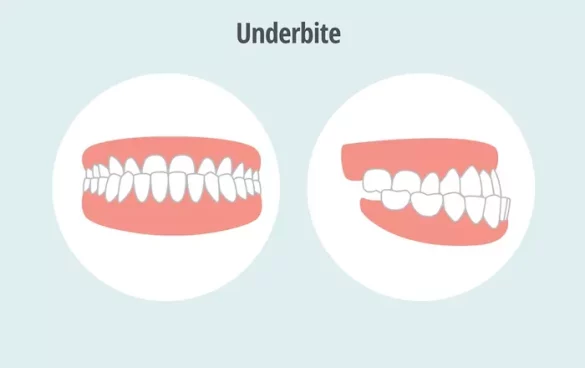
An underbite is a dental condition where the lower teeth extend beyond the upper teeth when the mouth is closed. This misalignment can affect chewing, speech, and facial appearance. Underbites can range from mild to severe. Mild cases may cause little discomfort, while severe cases may lead to issues like gum disease or jaw pain. Correcting an underbite often requires orthodontic treatment, and braces are one of the most common solutions.
Causes of Underbite
Several factors contribute to an underbite. Genetics plays a key role, with children inheriting jaw structure tendencies from their parents. Other causes include childhood habits like thumb-sucking or prolonged pacifier use. Trauma to the jaw or improper growth can also result in underbite. Understanding the cause helps dentists plan the most effective treatment. Addressing underlying issues early can reduce the risk of complications like sensitive teeth or uneven wear on enamel.
Types of Braces for Underbite Correction
Different braces can treat underbites. Each type works differently, and the choice affects treatment duration.
Traditional Metal Braces
Metal braces are the most common type. They use brackets and wires to gradually shift teeth. Adjustments are typically made every 4-6 weeks. They are effective for severe underbites but may be more noticeable.
Ceramic Braces
Ceramic braces are similar to metal braces but blend with the teeth. They are less visible. Treatment time is usually similar to metal braces. Patients must avoid staining foods and maintain excellent oral hygiene to prevent gum disease.
Lingual Braces
Lingual braces are placed behind the teeth. They are hidden from view but require precise orthodontic expertise. Treatment may take slightly longer than traditional braces due to adjustment complexity.
Clear Aligners
Clear aligners, like Invisalign, are removable trays that gradually move teeth. They are less noticeable and more comfortable. Clear aligners work best for mild to moderate underbites. Patients must wear them for 20-22 hours per day to achieve results. Non-compliance can extend treatment time.
Factors Influencing Treatment Duration
The time it takes to fix an underbite varies. Several factors affect the duration:
Severity of the Underbite
Severe underbites require more complex adjustments. Mild cases may take less time, while severe cases could require additional devices such as elastics, headgear, or even jaw surgery.
Age of the Patient
Children and teenagers often respond faster to braces because their bones are still growing. Adults may experience longer treatment times due to slower bone remodeling.
Type of Braces Used
Traditional metal braces may correct an underbite faster than clear aligners for complex cases. Clear aligners are often preferred for aesthetic reasons but may require a longer timeline for severe misalignments.
Patient Compliance
Following orthodontist instructions is essential. Regular adjustments, wearing elastics, and maintaining oral hygiene directly impact treatment efficiency. Failure to comply can prolong treatment and increase risk of gum disease.
Average Timeline for Underbite Correction
Treatment duration varies widely depending on individual factors. Below is a general guide:
Mild Underbite
Mild underbites can often be corrected in 6-12 months. Clear aligners or traditional braces may both be effective. Regular check-ups every 4-6 weeks are essential.
Moderate Underbite
Moderate underbites usually take 12-24 months to correct. Additional devices such as elastics may be used to reposition the jaw. Oral hygiene is critical to prevent sensitive teeth and plaque buildup during treatment.
Severe Underbite
Severe underbites may take 24-36 months. In some cases, jaw surgery may be recommended alongside braces. Post-surgical care and braces adjustments are required for optimal results. Regular dental monitoring helps prevent complications like gum disease or tooth wear.
Stages of Underbite Treatment with Braces
Fixing an underbite involves multiple stages. Understanding these stages helps patients stay informed and manage expectations.
Initial Consultation
The orthodontist evaluates the bite and takes X-rays and impressions. A customized treatment plan is created. The dentist also checks for pre-existing issues like gum disease or sensitive teeth.
Braces Placement
Brackets are bonded to teeth, and archwires are attached. Patients receive instructions on oral care. Proper brushing and flossing prevent plaque accumulation and reduce the risk of gum disease.
Adjustment Phase
Teeth gradually move through periodic adjustments. Elastics or additional appliances may be used. Maintaining diet restrictions and cleaning routines is important to avoid sensitive teeth or enamel damage.
Finishing Phase
Fine-tuning ensures proper bite alignment. The orthodontist may make minor adjustments to perfect occlusion. Retainers may be introduced to stabilize teeth after braces removal.
Retention Phase
After braces are removed, retainers prevent teeth from shifting back. Retention may last several months to years depending on severity. Regular dental check-ups ensure long-term success and healthy gums.
Oral Care During Underbite Treatment
Oral hygiene is crucial during underbite correction. Braces can trap food and bacteria, increasing risk of gum disease and cavities. Proper care includes:
Brushing and Flossing
Brush after every meal using a soft-bristled brush. Floss daily using a floss threader to clean between braces. This helps prevent plaque buildup and sensitive teeth.
Regular Dental Visits
Routine check-ups with the dentist are essential. Professional cleanings remove tartar and monitor gum health. Dentists can spot early signs of gum disease or enamel erosion.
Diet Considerations
Avoid sticky and hard foods that can damage braces. Sugary foods increase risk of cavities. Eating a balanced diet supports overall oral health.
Common Challenges During Treatment
Underbite correction can be uncomfortable at times. Patients may experience soreness, difficulty chewing, or minor speech issues. Some may develop sensitive teeth or gum irritation. These issues are typically temporary and managed by orthodontists. Proper care and following instructions reduce complications and improve treatment outcomes.
When Surgery May Be Necessary
In severe underbites, braces alone may not suffice. Orthognathic surgery may be required to reposition the jaw. Surgery can shorten overall treatment time for extreme cases. Post-surgical braces adjustments help achieve proper alignment. Oral care remains crucial to avoid gum disease and protect tooth enamel during recovery.
Conclusion
Fixing an underbite with braces requires time, patience, and commitment. Mild cases may take less than a year, while severe cases may require over two years or additional surgical intervention. Factors like age, severity, type of braces, and patient compliance influence treatment duration. Maintaining proper oral hygiene is essential to prevent gum disease and sensitive teeth. Regular dental visits and careful adherence to orthodontist instructions ensure the best possible outcome for underbite correction.
