

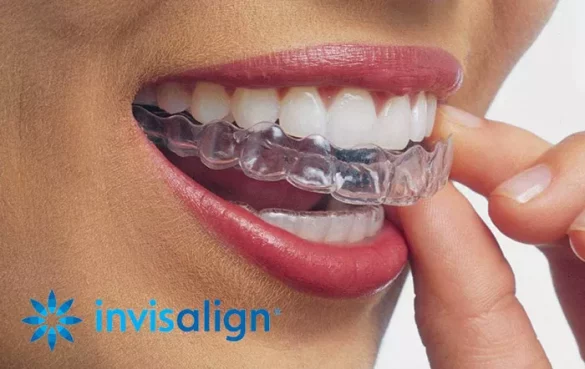
Invisalign Vivoera retainers are clear dental devices designed to maintain teeth alignment after orthodontic treatment. They are custom-made for each patient, providing a comfortable fit and discreet appearance. Unlike traditional retainers, Invisalign retainers are made from a transparent plastic material that is both strong and flexible.
One common question among patients is how long these retainers last. Understanding their lifespan helps patients plan replacements, maintain oral health, and avoid unwanted shifts in teeth alignment.
Material Composition of Invisalign Vivoera Retainers
Invisalign Vivoera retainers are constructed from a medical-grade thermoplastic known as polyurethane. This material is carefully engineered to resist cracking, staining, and wear under normal use. The clarity of the material helps retainers remain nearly invisible, while the durability ensures long-term performance.
Although the material is strong, it is sensitive to extreme heat, improper cleaning, and mechanical stress. Understanding the properties of the material is essential to extending the lifespan of the retainer.
Average Lifespan of an Invisalign Vivoera Retainer
The longevity of an Invisalign Vivoera retainer depends on several factors, including usage habits, cleaning routines, and dental hygiene. On average, retainers can last between 12 and 24 months before signs of wear or reduced effectiveness appear.
Some patients may notice minor warping, scratches, or discoloration after a year, especially if the retainer is exposed to heat or abrasive cleaning methods. Regular dental check-ups are recommended to assess the condition and fit of the retainer.
Factors That Affect Retainer Lifespan
Frequency of Use: Retainers worn as prescribed, usually at night, last longer than those used sporadically.
Cleaning Methods: Gentle cleaning with a soft toothbrush and mild soap preserves material integrity. Avoid hot water, harsh chemicals, and abrasive toothpaste.
Dietary Habits: Eating or drinking while wearing the retainer can accelerate wear. Sugary or acidic foods may increase staining.
Storage: Keeping the retainer in a protective case when not in use prevents accidental bending or cracking.
Signs Your Invisalign Vivoera Retainer Needs Replacement
Identifying early signs of wear can prevent misalignment and dental complications. Replace your retainer if you notice:
Visible Cracks or Breaks
Cracks compromise the structural integrity of the retainer. Even minor fractures can affect the fit and effectiveness of the device.
Warping or Fit Changes
If the retainer no longer fits snugly on your teeth, it may fail to maintain alignment. Warping often results from heat exposure or improper handling.
Persistent Staining or Discoloration
While minor discoloration is normal over time, severe staining may indicate the material is degrading. Discoloration can also harbor bacteria, affecting oral hygiene.
Unpleasant Odor
A strong or persistent smell despite cleaning can be a sign that bacteria have penetrated the material. This usually signals that a replacement is needed.
Proper Care to Extend Retainer Lifespan
Proper maintenance can significantly extend the life of an Invisalign Vivoera retainer. Key care practices include:
Daily Cleaning Routine
Rinse your retainer with lukewarm water after each use. Gently brush it with a soft toothbrush using mild soap. Avoid toothpaste with abrasive particles as it can scratch the surface.
Use Retainer Cleaning Solutions
Specialized cleaning tablets are available for Invisalign retainers. Soaking the retainer once or twice a week helps remove plaque, bacteria, and odor-causing residues.
Avoid Heat Exposure
Never leave your retainer in hot water, direct sunlight, or near heat sources. High temperatures can warp the plastic, reducing its effectiveness and lifespan.
Safe Storage Practices
Always store the retainer in its protective case when not in use. Avoid leaving it loose on surfaces where it can be damaged or contaminated.
Regular Dental Check-Ups
Visiting your dentist or orthodontist every 6-12 months ensures that the retainer remains effective. The professional can check for fit, wear, and any signs of material degradation.
Impact of Lifestyle on Retainer Durability
Lifestyle habits play a major role in the longevity of your Invisalign Vivoera retainer. High-risk behaviors include:
Smoking or Chewing Tobacco
These habits stain the retainer and can accelerate wear. Chemicals in tobacco products may also degrade the plastic over time.
Excessive Sugar or Acid Intake
Acidic and sugary foods can weaken the material and cause micro-cracks. Rinse your mouth after consuming these foods to minimize damage.
Poor Oral Hygiene
Failure to brush and floss before wearing the retainer can trap food particles and bacteria. This increases the risk of decay and may compromise the retainer material.
Replacement Guidelines for Invisalign Vivoera Retainers
Replacing the retainer at the right time ensures that your teeth remain aligned and healthy. General recommendations include:
After 12-24 Months
Even with proper care, most retainers should be replaced every 1-2 years. This prevents gradual wear from affecting the fit and alignment.
When Damage Is Evident
Do not wait until a retainer is completely broken. Early replacement avoids unnecessary dental issues and maintains the results of orthodontic treatment.
Consultation With Your Orthodontist
Always discuss replacement timing with your orthodontist. They can provide personalized guidance based on your usage, oral habits, and dental health.
Cost Considerations for Replacement Retainers
The cost of a replacement Invisalign Vivoera retainer varies depending on location and provider. On average, replacement retainers range from $100 to $300. Insurance coverage may apply for medically necessary replacements, but cosmetic replacements are usually out-of-pocket.
Planning ahead and caring properly for your retainer can reduce the frequency of replacements, saving both time and money.
Conclusion
The Invisalign Vivoera retainer is a reliable device for maintaining teeth alignment after orthodontic treatment. With proper care and regular dental supervision, a retainer can last between 12 and 24 months. Factors such as usage, cleaning habits, heat exposure, and lifestyle choices can significantly affect durability.
Patients should monitor their retainers for cracks, warping, stains, or odor and consult their orthodontist for replacements when necessary. By understanding the material properties, following proper care routines, and being aware of potential risks, individuals can maximize the lifespan of their Invisalign Vivoera retainers and protect the investment in their smile.
