


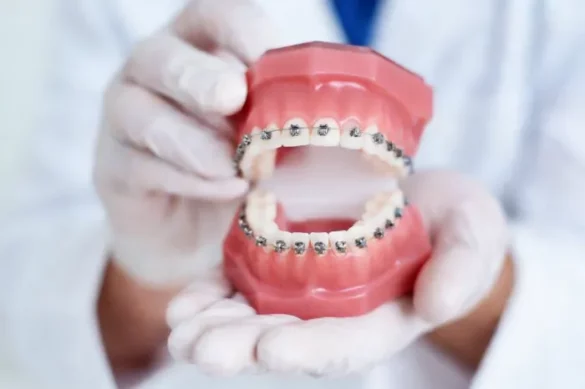
braces treatment is a common path for many people seeking a healthier, straighter smile. One of the first things patients want to know is: how long will I need to wear braces? The duration of braces treatment varies widely based on individual needs, the type of orthodontic issue, patient age, the approach used, and how closely instructions are followed. Knowing what affects this timeline helps set realistic expectations and supports a positive orthodontic journey.
Factors That Affect braces treatment Time
Severity of Dental Misalignment
The severity and complexity of dental issues are the most important factors in determining braces treatment time. If you have mild spacing or slightly crooked teeth, treatment may only last 6 to 12 months. However, major alignment problems such as severe crowding, bite issues, or jaw misalignment can require two years or even longer to correct. Each person’s mouth is unique, so only a qualified orthodontist can give an accurate estimate after assessing your case.
Age of the Patient
Age has a significant impact on how fast your teeth move. Children and teenagers usually respond more quickly to braces because their jaws and teeth are still developing. For adults, the bones are fully developed, so moving teeth can take longer. But adults can still achieve excellent results—it just may require a little more time and patience.
Type of Braces
The kind of braces or orthodontic appliance chosen also affects the treatment duration:
- Traditional Metal Braces: These remain the standard for treating complex cases and usually stay for 18 to 24 months. They are effective for most bite and alignment issues.
- Clear Aligners (e.g., Invisalign): Used for mild to moderate cases, clear aligners offer quicker results for some patients—sometimes within 6 to 18 months. However, their effectiveness depends on wearing them for 20 to 22 hours per day.
- Lingual Braces: These are placed behind the teeth and typically require a similar timeframe to traditional braces. Their placement and lower visibility might mean slightly longer treatment in some cases.
- Ceramic Braces: These work like metal braces but blend in with tooth color. The timeline is usually comparable to metal braces.
- Self-Ligating Braces: These use clips instead of elastic bands, sometimes moving teeth faster than traditional braces. Not everyone is a candidate, but some see quicker results.
Patient Compliance and Lifestyle
How well you follow your orthodontist’s instructions is a powerful factor in treatment length. Missing appointments, not wearing rubber bands or aligners as advised, and eating foods that damage brackets can cause delays. Good oral hygiene is vital—gum problems or tooth decay can interrupt progress. By attending all scheduled check-ups and taking care of your appliance, you are more likely to finish treatment on time.
Genetics and Biology
Your body’s unique biological response to tooth movement also matters. Some people’s teeth move more quickly than others. Family history and genetic factors can influence the treatment timeline, though your orthodontist will consider these during your consultation.
typical treatment timelines
Most patients can expect to wear braces for 18 to 24 months. Some people with only minor adjustments might finish in as little as 6 months, while complex cases could stretch to 36 months. On average:
- Mild crowding/spacing: 6–12 months
- Moderate misalignment: 12–18 months
- Complex, severe cases: 18–36 months
These are general estimates, and only your orthodontist can provide a tailored timeline for your situation.
What to Expect During braces treatment
Initial Phase
When braces are first placed on your teeth, your orthodontist will create a customized treatment plan. During the first few months, most patients notice small changes in tooth position. These early shifts are encouraging and show the process is working.
Regular Adjustments
You’ll see your orthodontist every 4 to 8 weeks for check-ups and adjustments. These visits are essential for monitoring progress and making necessary changes. Following this schedule helps keep your treatment moving efficiently.
Monitoring Progress
Throughout the journey, your orthodontist will evaluate the movement of your teeth and may use elastic bands or other attachments to guide alignment. Staying committed to the schedule and instructions is key for optimal results.
After Braces: Retainers and Long-Term Care
When your braces come off, the journey continues. Teeth naturally want to shift back, so most patients need retainers to maintain their new position. Retainers often start as full-time wear for several months, then switch to nighttime only. Skipping this phase risks undoing the hard work—retention is a crucial part of orthodontic care.
Common Questions and Concerns
Why Do Some People Finish Faster Than Others?
Every patient has a different rate of tooth movement, influenced by age, genetics, case complexity, and their commitment to the process. Teens may see faster results thanks to ongoing jaw growth, while adults can expect steady progress with diligent care.
Can I Shorten My Treatment Time?
Possibly. By attending all appointments, maintaining excellent oral hygiene, and avoiding foods that damage your appliance, you might finish sooner. It’s also important to follow every instruction from your orthodontist, such as wearing rubber bands or aligners as directed.
Does the Type of Braces Matter for Timing?
Yes. Traditional braces are reliable for most cases and set the standard timeline. Clear aligners can be faster for mild issues—but must be worn precisely as instructed. Self-ligating braces may offer accelerated results for some, but suitability depends on individual dental needs.
Conclusion
braces treatment is a transformative process that requires time, patience, and partnership between you and your orthodontist. Most people wear braces for 18 to 24 months, but timelines can vary based on many personal factors. Understanding these influences—severity of issue, patient age, type of appliance, and compliance—helps you set realistic expectations and stay motivated throughout the journey. When braces come off, diligent retainer use is vital to preserve your results. A healthy, beautiful smile is worth the effort, and the commitment pays off for years to come.
FAQs
How long do braces take for mild cases?
Mild cases often finish in 6 to 12 months, especially with good compliance.
Can adults get braces, and does it take longer?
Yes, adults can get braces. The process may take a little longer than for teens because their bones have stopped growing, but great results are achievable.
Do retainers need to be worn forever?
Retainers are typically worn full-time for several months, then at night for years or sometimes indefinitely, depending on your case.
Can I eat anything with braces?
No, it’s best to avoid hard or sticky foods as they can damage your braces and delay treatment.
Will I see changes right away?
Some changes can be seen in the first few months, but full results take time. Regular visits and consistent care are essential for progress.