


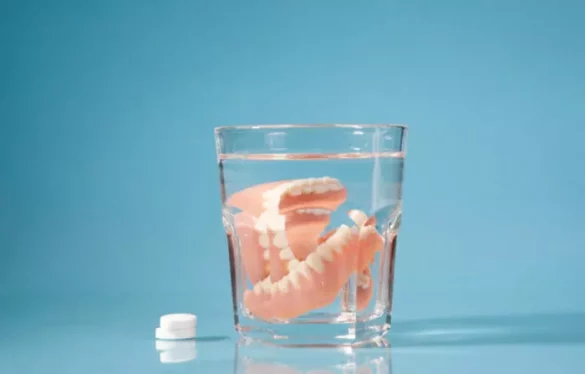
Retainers are essential for maintaining the alignment of your teeth after orthodontic treatment. Keeping them clean is critical, not only to prevent plaque and bacteria buildup but also to protect your oral health. A common question patients ask is: how long should I keep my retainer in denture cleaner? This article explains the safe cleaning times, why proper care matters, and how it affects your overall dental health, including conditions such as gum disease and sensitive teeth.
Understanding the Purpose of Retainers
Retainers help keep your teeth in place after braces or aligners. Without them, your teeth may shift back to their original positions. Retainers are made from plastic, acrylic, or a combination of plastic and metal. Because they sit inside the mouth, they are exposed to food particles, saliva, and bacteria. Cleaning prevents odor, staining, and possible oral infections.
Why Denture Cleaner Is Used for Retainers
Denture cleaner is often used for removable retainers because it helps remove bacteria and buildup. These solutions contain cleansing agents that can break down plaque and eliminate odor. However, not all denture cleaners are designed for retainers, and improper use can damage the material.
How Long to Keep Retainers in Denture Cleaner
Most dental experts recommend 15 to 30 minutes of soaking time in denture cleaner. Leaving retainers in the solution for longer periods, such as overnight, may cause discoloration or weaken the material. Some cleaners are stronger than others, so always check the manufacturer’s instructions.
Short Soak vs. Long Soak
Short soaks of 15 minutes are often enough to kill bacteria and remove buildup. Longer soaks of up to 30 minutes may be used for heavy cleaning. Retainers should never remain in denture cleaner for hours unless specifically instructed by your orthodontist.
Risks of Over-Soaking
If you leave your retainer in denture cleaner for too long, the chemicals can break down the acrylic or plastic. This leads to brittleness, cracks, or even warping. Damaged retainers cannot hold teeth in place effectively, which increases the risk of misalignment and discomfort.
Daily Cleaning Routine for Retainers
While denture cleaner is useful, it should not replace daily cleaning with water and a soft toothbrush. Retainers should be rinsed after every meal to remove food particles. Plaque buildup on retainers can contribute to gum disease, cavities, and sensitive teeth. A combination of mechanical cleaning (brushing) and chemical cleaning (soaking) provides the best protection.
Steps to Clean Retainers Properly
1. Rinse the retainer with lukewarm water.
2. Gently brush with a soft toothbrush (no toothpaste).
3. Soak in denture cleaner for 15–30 minutes.
4. Rinse thoroughly before wearing again.
Differences Between Denture Cleaner and Retainer Cleaner
Although denture cleaners and retainer cleaners seem similar, they are not the same. Denture cleaners are stronger because dentures are more durable. Retainers, especially clear plastic ones, are more delicate. Overuse of denture cleaner can damage retainers. Specialized retainer cleaners are milder and formulated for plastic materials. When in doubt, consult your dentist or orthodontist for the best cleaning solution.
Impact of Poor Retainer Hygiene on Oral Health
Neglecting to clean your retainer properly can have serious consequences. Bacteria buildup can lead to bad breath, infections, and gum disease. Wearing a dirty retainer may also worsen conditions like sensitive teeth by exposing the enamel to harmful acids. Consistent hygiene reduces the risk of cavities and ensures your orthodontic results last longer.
Signs Your Retainer Is Not Being Cleaned Properly
Common signs include:
- A foul smell when wearing the retainer
- Visible white film or plaque buildup
- Stains or discoloration
- Increased tooth sensitivity or gum irritation
When to Replace Your Retainer
Even with proper cleaning, retainers do not last forever. Most retainers need replacement every 1 to 5 years depending on material and care. If your retainer becomes cracked, warped, or does not fit properly, it may need replacement. Prolonged use of a damaged retainer can put stress on your teeth and gums.
Tips for Protecting Your Retainer
- Always store your retainer in a case when not in use.
- Do not expose it to hot water, as heat can warp the plastic.
- Avoid using harsh chemicals such as bleach.
- Keep it away from pets, as they may chew on it.
Alternative Cleaning Solutions
Some patients prefer using mild soap and water or vinegar solutions. Baking soda can also help neutralize odors. However, denture cleaner remains a convenient option for deep cleaning, provided it is used correctly and within the recommended time frame.
Role of Dentists in Retainer Care
Your dentist or orthodontist can guide you on proper retainer care. Professional checkups help identify early signs of gum disease, cavities, or damage to the retainer. They can also recommend safe cleaning products. If you have sensitive teeth or a history of gum problems, your dentist may suggest specialized solutions.
Can Improper Cleaning Cause Gum Disease?
Yes. Gum disease develops when plaque and bacteria build up along the gum line. Wearing an unclean retainer increases bacterial exposure, which can irritate gums. Over time, this leads to gingivitis or more advanced gum disease. Patients with orthodontic retainers should pay extra attention to cleaning habits to prevent gum problems.
Conclusion
Retainers are valuable tools for preserving your smile, but they require proper care. The safe soaking time for retainers in denture cleaner is 15 to 30 minutes. Longer soaking can damage the material and reduce effectiveness. Daily rinsing, brushing, and controlled soaking keep retainers clean and safe. By following correct cleaning practices, you protect your teeth, gums, and orthodontic investment.