

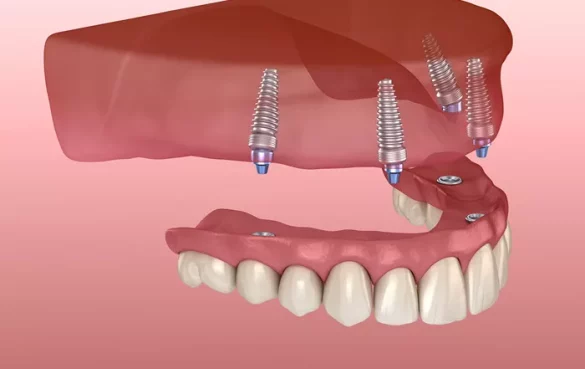
Dental implants have become a popular solution for replacing missing teeth. They offer a permanent alternative to traditional dentures and bridges. In Minnesota, more people are choosing implant-supported dentures due to their durability and natural appearance. In this article, we will explore the cost of dental implants in Minnesota in 2025, including factors that influence pricing, types of implants, and additional considerations.
What Are Implant-Supported Dentures?
Implant-supported dentures are prosthetic teeth anchored to dental implants. Unlike conventional dentures, which rest on the gums, these dentures are attached to titanium posts surgically placed in the jawbone. This provides stability, prevents bone loss, and enhances chewing efficiency. Patients often report higher satisfaction and improved confidence when using implant-supported dentures.
Factors Affecting Dental Implant Costs in Minnesota
Type of Dental Implant
The type of dental implant chosen greatly affects the overall cost. Single implants for one tooth typically cost less than full-arch restorations. Mini implants, which are smaller and less invasive, may be cheaper but are not suitable for all patients. Full-mouth implant-supported dentures are the most expensive due to the complexity of the procedure.
Number of Implants Needed
The number of implants required depends on how many teeth need replacement. A single missing tooth requires one implant, while a full arch may need four to six implants. More implants generally increase the total cost but can provide better support and longevity for the dentures.
Bone Grafting and Preparatory Procedures
Some patients need bone grafts before implant placement if there is insufficient jawbone. Bone grafting adds to the cost of dental implants. Other preparatory procedures, such as tooth extractions, sinus lifts, or periodontal treatment, also increase overall expenses.
Material of the Prosthetic Teeth
Dental implants use crowns, bridges, or dentures made from various materials. Porcelain and zirconia are popular for their natural appearance and strength but are more expensive than acrylic options. Material choice affects both aesthetics and longevity.
Location and Dentist Expertise
The cost of dental implants can vary by city within Minnesota. Urban areas like Minneapolis and Saint Paul tend to have higher fees. Additionally, experienced implant dentists or specialists may charge more for their expertise, but this can ensure better outcomes and lower risk of complications.
Average Cost of Dental Implants in Minnesota in 2025
As of 2025, the typical price range for dental implants in Minnesota is as follows:
- Single tooth implant: $3,000 – $5,500 per implant
- Implant-supported dentures (lower or upper arch): $15,000 – $30,000 per arch
- Full-mouth reconstruction with implants: $35,000 – $70,000
These costs usually include the implant post, abutment, and crown. Additional procedures like bone grafting or extractions are billed separately.
Insurance and Financing Options
Most dental insurance plans offer limited coverage for implants, as they are considered a cosmetic procedure. Some plans may cover part of the cost for related procedures, like extractions or bone grafts. Many dental offices provide financing options or payment plans to make implants more affordable. Third-party financing, medical credit cards, and in-office plans can help patients spread the cost over time.
Comparing Costs: Minnesota vs. Other States
Dental implant prices vary across the United States. Minnesota is generally mid-range in cost compared to states like California or New York, where prices are higher due to living costs and demand. Rural areas within Minnesota may offer lower fees but may have fewer specialists available.
Advantages of Choosing Implant-Supported Dentures
Enhanced Stability and Comfort
Implant-supported dentures are securely anchored to the jawbone, preventing slipping and discomfort. This allows patients to eat and speak with confidence.
Preservation of Jawbone
Implants stimulate the jawbone, preventing bone resorption that occurs with conventional dentures. This helps maintain facial structure and reduces the risk of sagging cheeks.
Long-Term Durability
Dental implants are designed to last many years, often decades, with proper care. Unlike traditional dentures, they do not require frequent adjustments or replacements.
Improved Oral Health
Implants do not require adjacent teeth to be ground down as in traditional bridges. This preserves natural teeth and supports overall oral health.
Considerations Before Getting Dental Implants
Medical Evaluation
Patients must undergo a thorough medical and dental evaluation before implant placement. Conditions like diabetes, gum disease, or smoking can affect healing and success rates.
Recovery Time
Implant surgery involves a recovery period. Initial healing takes a few weeks, but full osseointegration can take three to six months. During this time, temporary dentures may be used.
Maintenance and Care
Implant-supported dentures require proper oral hygiene. Daily brushing, flossing, and regular dental checkups are essential to maintain health and longevity. Special tools like interdental brushes can help clean around implants effectively.
Tips for Reducing Dental Implant Costs
Consult Multiple Dentists
Getting quotes from multiple providers can help patients find the best combination of quality and cost. Some dentists offer package deals for full-mouth restorations.
Consider Dental Schools
Dental schools often provide implant procedures at lower costs, performed by supervised students. This can be a cost-effective option for qualified patients.
Explore Financing Options
Many dental offices partner with third-party financing companies. Payment plans, low-interest loans, or medical credit cards can make implants more affordable over time.
Check for Promotions or Discounts
Some dental clinics offer seasonal promotions, discounts for cash payments, or bundled packages for multiple implants.
These can reduce the overall expense significantly.
Conclusion
Dental implants in Minnesota in 2025 offer a reliable, long-lasting solution for missing teeth. Costs vary widely depending on the type of implant, the number of teeth replaced, additional procedures, and the dentist’s expertise. On average, single implants cost $3,000 – $5,500, while implant-supported dentures for a full arch can reach $15,000 – $30,000. Full-mouth reconstructions may exceed $70,000. While insurance coverage is limited, financing options and careful planning can make implants accessible for many patients. Choosing implant-supported dentures provides numerous benefits, including improved stability, oral health, and self-confidence. By understanding the costs, procedures, and options available, patients can make informed decisions and achieve optimal dental health in Minnesota.
