


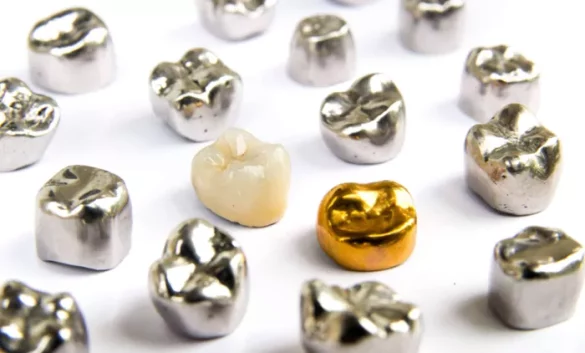
Metal teeth refer to various types of dental restorations that incorporate metal materials. These include metal crowns, metal-based dental implants, and metal dentures. They are known for their durability and resistance to wear. Many people prefer them for back teeth where strength is more important than appearance.
Types of Metal Teeth Options
1. Metal Crowns
Metal crowns are tooth-shaped caps placed over a damaged or decayed tooth. They are often made of gold alloy, palladium, nickel, or chromium. These crowns are extremely durable and best suited for molars.
2. Metal Dental Implants
These are artificial tooth roots made of titanium or zirconium. A crown is placed on top after the implant is fixed into the jawbone. This option mimics natural teeth and is a permanent solution.
3. Metal Dentures
Dentures with a metal base offer a secure fit and long-lasting strength. Typically, cobalt-chrome is used to create the frame of the denture, which is lighter and more comfortable than full acrylic dentures.
Cost of Metal Teeth: Detailed Breakdown
Metal Crowns Cost
The cost of a metal crown can range from $500 to $2,500 per tooth. Gold crowns are at the higher end due to the price of materials. Metal crowns are often covered by insurance when used for functional purposes.
Metal Implants Cost
A single titanium dental implant can cost between $3,000 to $6,000. This includes the implant, abutment, and crown. Full-mouth implants may cost between $20,000 and $45,000 depending on the number of teeth.
Metal Dentures Cost
Partial dentures with a metal frame typically cost between $1,000 and $3,000. Full metal dentures are less common and can cost more based on materials and customization.
Factors Affecting the Cost of Metal Teeth
Material type: Gold or platinum alloys are more expensive than base metals.
Location: Urban clinics often charge more due to overheads.
Dentist expertise: More experienced professionals may charge higher fees.
Additional procedures: Bone grafting or treatment for gum disease increases the total cost.
Insurance coverage: Some plans cover part of the cost for functional metal restorations.
Gum Disease and Its Effect on Metal Teeth
If you suffer from gum disease, you may not be an ideal candidate for dental implants. Gum infections weaken the bone and soft tissue, which are essential for supporting implants and crowns. Before getting any metal dental work, your gums should be treated and stabilized.
Dental professionals usually recommend a deep cleaning or scaling and root planing to manage gum disease before placing any implants or crowns. In some cases, laser gum surgery may also be necessary.
Sensitive Teeth and Metal Restorations
Sensitive teeth can complicate the process of receiving metal dental restorations. Metal conducts heat and cold easily, which may heighten tooth sensitivity. To address this, dentists may use protective liners or recommend desensitizing toothpaste before and after the procedure.
Discuss any history of sensitive teeth with your dentist. Proper planning can help you receive the restoration without ongoing discomfort.
Pros and Cons of Metal Teeth
Advantages
- Highly durable and long-lasting
- Ideal for back teeth and high-pressure chewing
- Less tooth structure needs to be removed (in crowns)
Disadvantages
- Not aesthetically pleasing (not tooth-colored)
- Can cause allergic reactions in metal-sensitive patients
- May increase sensitivity due to conductivity
Alternatives to Metal Teeth
If you are concerned about aesthetics or metal allergies, you can consider the following alternatives:
- Porcelain-fused-to-metal (PFM) crowns
- All-ceramic crowns
- Zirconia implants and crowns
- Acrylic or flexible dentures
Is It Worth the Investment?
Metal teeth offer superior strength and can last over a decade with proper care. When maintained well, they outperform ceramic and resin-based options in high-stress areas. The investment is worthwhile, especially for people needing strong back molar coverage or permanent teeth replacement.
How to Care for Metal Teeth
Maintaining metal dental restorations requires regular oral hygiene:
- Brush twice daily with fluoride toothpaste
- Use a desensitizing toothpaste if experiencing sensitivity
- Floss daily and clean around the crown, implant, or denture base
- Visit your dentist every 6 months for checkups
Risks and Complications
Although rare, metal restorations may lead to:
- Metal allergies or sensitivities
- Wear on opposing teeth due to hardness
- Discoloration of surrounding gums over time
Early intervention and proper consultation can prevent these complications. If you notice signs of gum disease or prolonged sensitivity, consult your dental provider.
Insurance and Payment Options
Most insurance plans cover part of the cost of metal crowns and dentures if deemed medically necessary. However, metal implants are often considered cosmetic unless tied to trauma or severe tooth loss.
Flexible payment plans and financing are available through most dental clinics. CareCredit and other medical credit options allow installment payments, making metal teeth more accessible.
Choosing the Right Dentist
Finding a qualified dental professional is essential for successful metal restoration. Ask about:
- Experience with metal crowns or implants
- Before-and-after photos of past patients
- Management of sensitive teeth or gum disease
Conclusion
Metal teeth can be a long-term, cost-effective solution for many dental issues. Whether you need a crown, implant, or denture, their strength and longevity make them ideal. However, considerations like sensitive teeth, gum disease, and aesthetic concerns should be evaluated beforehand.