


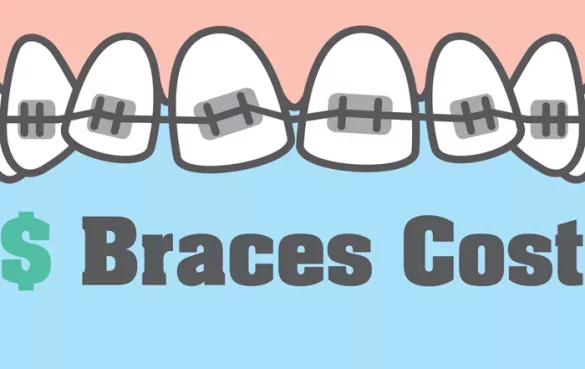
Aetna is one of the leading dental insurance providers in the United States. Many people seeking orthodontic treatment ask, “How much does Aetna pay for braces?” The answer depends on various factors such as the specific dental plan, age of the patient, and the type of braces needed. This article aims to provide a clear and detailed explanation of Aetna’s coverage for braces, while also addressing common dental concerns like gum disease and sensitive teeth.
What Types of Braces Does Aetna Cover?
Aetna dental plans typically cover several types of orthodontic treatments including traditional metal braces, ceramic braces, and sometimes clear aligners like Invisalign. However, coverage and payment amounts vary. Some plans cover only traditional braces, while others include broader orthodontic options.
It is important to check your individual policy to understand which types of braces are eligible for coverage.
How Much Does Aetna Pay for Braces?
The amount Aetna pays for braces varies by plan. Generally, Aetna orthodontic coverage includes:
Lifetime Maximum Benefit: Most Aetna plans have a lifetime maximum benefit for orthodontics, usually ranging from $1,000 to $3,000 per person.
Percentage of Coverage: Aetna often covers 50% to 75% of the cost of braces, depending on the plan.
Age Limits: Many Aetna plans offer orthodontic benefits mainly for children under 19 years old. Adult orthodontic coverage may be limited or excluded.
For example, if the total cost of braces is $5,000 and your plan covers 50% with a $2,500 lifetime maximum, Aetna would pay $2,500, and you would be responsible for the remaining $2,500.
Factors Influencing Aetna’s Payment for Braces
Several factors influence how much Aetna pays for braces, including:
Type of Dental Plan: Aetna offers different plans with varying orthodontic benefits. Some plans exclude orthodontics entirely.
Pre-Existing Conditions: Conditions like gum disease might require treatment before braces, and coverage for these treatments can affect overall orthodontic benefits.
Medical Necessity: Braces prescribed for severe bite problems or medical reasons have better coverage than cosmetic treatments.
Network Providers: Choosing an orthodontist within Aetna’s preferred provider network often reduces your out-of-pocket costs.
State Regulations: Some states have laws requiring insurance companies to provide specific orthodontic coverage, which can impact Aetna’s payment.
How to Maximize Your Aetna Braces Benefits
To get the most out of your Aetna orthodontic coverage, consider the following tips:
Verify Your Plan Details: Contact Aetna or check your policy documents to confirm orthodontic benefits and lifetime maximums.
Choose Network Orthodontists: Using in-network providers reduces your costs and simplifies the claims process.
Plan for Pre-Treatment Dental Issues: If you have gum disease or sensitive teeth, treat these conditions before starting braces to avoid delays and additional costs.
Submit Claims Promptly: Ensure your orthodontist submits claims to Aetna in a timely manner to avoid payment delays.
Understand Payment Structure: Some plans pay Aetna directly, while others reimburse you after payment.
Does Aetna Cover Braces for Adults?
Traditionally, orthodontic benefits focus on children and teenagers. Many Aetna plans exclude or limit adult coverage.
However, some newer or premium plans offer partial or full coverage for adult braces. If you are an adult considering braces, it is essential to:
Review your plan’s orthodontic section carefully.
Discuss coverage options with your dentist or orthodontist.
Consider flexible spending accounts (FSAs) or health savings accounts (HSAs) to offset costs.
Common Dental Conditions Impacting Orthodontic Treatment
When planning for braces, it is important to consider other dental conditions that can affect treatment and coverage:
Gum Disease and Orthodontics
Gum disease (periodontal disease) is an infection of the gums that can weaken the bone supporting the teeth. Orthodontic treatment may be postponed until gum disease is treated to prevent complications. Aetna dental plans often cover gum disease treatments such as deep cleanings or scaling and root planing, but these treatments are separate from orthodontic benefits.
Sensitive Teeth and Braces
Many patients experience sensitive teeth during orthodontic treatment due to tooth movement and pressure. While this sensitivity is generally temporary, some dental plans offer coverage for treatments to manage sensitivity, such as fluoride applications or desensitizing toothpaste prescribed by your dentist.
Cavities and Other Oral Health Issues
Before starting braces, dental cavities should be treated. Untreated decay can worsen during orthodontic treatment. Aetna dental plans typically cover preventive and restorative treatments like fillings, which are separate from orthodontic coverage.
How to Check Your Aetna Orthodontic Benefits
To understand your specific Aetna coverage for braces, follow these steps:
Log into Your Aetna Member Portal: Access your personal plan details and summary of benefits.
Review the Orthodontic Section: Look for lifetime maximums, percentage coverage, age restrictions, and excluded treatments.
Call Aetna Customer Service: Speak directly with a representative for clarification.
Consult Your Dentist or Orthodontist: Ask them to verify benefits and estimate your out-of-pocket costs.
Typical Cost of Braces and Aetna’s Role
The average cost of braces in the U.S. ranges from $3,000 to $7,000 depending on the type. Here is how Aetna can help with these costs:
Metal Braces: Usually the most affordable and often covered at a higher percentage.
Ceramic Braces: More expensive and coverage may be partial.
Clear Aligners: Coverage varies and is less common.
For example, if you have a $2,000 orthodontic lifetime maximum and your braces cost $5,000, Aetna would cover up to $2,000, and you pay the rest.
What Happens If You Exceed Your Orthodontic Maximum?
If your treatment costs exceed the lifetime maximum, you are responsible for the difference. Some patients opt for payment plans with their orthodontist or use other financial tools like FSAs or HSAs to manage these costs.
FAQs
Is a Referral Needed for Orthodontics?
Many Aetna plans do not require a referral from a general dentist to see an orthodontist. However, some plans might, so it’s best to confirm your policy details.
How Long Does It Take to Get Approval?
Once your orthodontist submits the treatment plan and cost estimate, Aetna usually responds within a few days to weeks, depending on the plan and state regulations.
Are There Waiting Periods for Orthodontic Coverage?
Some Aetna plans include waiting periods before orthodontic benefits kick in. This could range from 6 to 12 months after the policy start date.
Conclusion
Understanding how much Aetna pays for braces helps you prepare financially and avoid surprises. Key points to remember include:
- Orthodontic benefits usually have lifetime maximums and percentage coverage limits.
- Coverage is often focused on children but some adult options may be available.
- Other dental conditions like gum disease and sensitive teeth can affect treatment timing and costs.
- Always review your specific plan details and work closely with your orthodontist and Aetna.
With careful planning and awareness, Aetna insurance can significantly reduce the cost of your braces and help you achieve a healthier, straighter smile.