

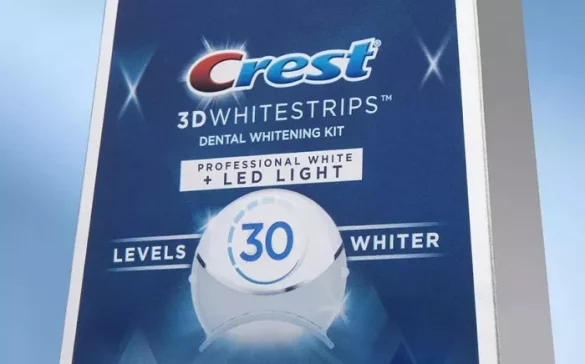
Crest 3D White Strips are a popular at-home teeth whitening solution. They are known for their effectiveness in brightening smiles, but a common question among users is, “How much peroxide is in Crest 3D White Strips?” Understanding the peroxide content in these strips is essential to gauge their safety, effectiveness, and potential side effects. This article dives deep into the peroxide concentration in Crest 3D White Strips, its impact on dental health, and the general safety for sensitive teeth and gums.
The Role of Peroxide in Teeth Whitening
Peroxide-based whitening products have been a staple in the dental industry for many years. They are often regarded as one of the most effective ingredients in whitening teeth. The primary form of peroxide used in Crest 3D White Strips is hydrogen peroxide. Hydrogen peroxide works by breaking down into water and oxygen when applied to the teeth, with the oxygen molecules helping to break apart the stains on the enamel.
Hydrogen Peroxide: The Active Ingredient
Hydrogen peroxide (H2O2) is a bleaching agent that has long been used in various dental care products. It is effective in removing both surface and deep stains caused by coffee, tea, smoking, and other common culprits. When applied to the teeth, it penetrates the enamel and oxidizes stains, making them less noticeable.
How Much Peroxide Is in Crest 3D White Strips?
Crest 3D White Strips contain a peroxide concentration that varies depending on the specific product and its intended use. Most products in the Crest 3D White range contain either 10% or 14% hydrogen peroxide. These concentrations are effective for whitening teeth over a period of 20 to 30 minutes of use each day, depending on the specific product.
Comparison of Peroxide Concentration in Different Products
The peroxide content in Crest 3D White Strips can differ from one product to another. For example, the Crest 3D White Professional Effects, a more potent whitening solution, contains around 14% hydrogen peroxide. On the other hand, products like Crest 3D White Glamorous White contain a slightly lower concentration of around 10%. This lower concentration still provides effective results, but it might take slightly longer to see noticeable whitening effects.
Why Peroxide Content Matters
The concentration of peroxide in a whitening product is crucial because it directly impacts both the effectiveness and safety of the treatment. A higher peroxide concentration tends to produce faster results but can also increase the risk of side effects, especially if used improperly. Conversely, a lower concentration is less likely to cause tooth sensitivity or gum irritation, though it may take longer to see visible improvements.
The Science Behind Teeth Whitening and Peroxide
When hydrogen peroxide comes into contact with the tooth enamel, it breaks down into water and oxygen. The oxygen molecules penetrate the enamel, breaking apart the bonds of the molecules that cause staining. This process is called oxidation. The higher the concentration of hydrogen peroxide, the more quickly this reaction happens, leading to faster results.
Peroxide’s Effectiveness on Different Types of Stains
Hydrogen peroxide works best on surface stains caused by substances like coffee, wine, and tobacco. For deeper, intrinsic stains, a higher concentration of peroxide is often required to penetrate the enamel effectively. Products with 14% hydrogen peroxide, such as Crest 3D White Professional Effects, are more effective in tackling these deeper stains, while lower-concentration products are better suited for maintaining a bright smile after the initial whitening process.
Safety Considerations: Is Peroxide Safe for Your Teeth?
While hydrogen peroxide is generally considered safe when used correctly, it can cause side effects if misused. These effects can range from mild discomfort to more severe issues like tooth sensitivity and gum irritation. Understanding the safety guidelines for using peroxide-based products is crucial to ensuring a safe and effective whitening experience.
Potential Side Effects of Peroxide on Dental Health
The most common side effects associated with the use of hydrogen peroxide in teeth whitening products are:
Tooth Sensitivity: Some users experience increased tooth sensitivity during or after whitening treatment. This sensitivity can occur when the peroxide penetrates the enamel and exposes the sensitive dentin layer beneath.
Gum Irritation: Hydrogen peroxide can irritate the gums if it comes into prolonged contact with the soft tissue. It’s important to follow product instructions carefully to avoid gum discomfort.
Enamel Erosion: Overuse of hydrogen peroxide can lead to the weakening of enamel. While this is rare with over-the-counter products like Crest 3D White Strips, it can occur with excessive or improper use.
How to Minimize Risks
To minimize the risks associated with hydrogen peroxide whitening products, follow the instructions provided by the manufacturer. Do not exceed the recommended usage time or frequency. Additionally, avoid using whitening products if you have gum disease or other oral health issues, as the peroxide could exacerbate existing conditions.
Effectiveness for Sensitive Teeth
One of the primary concerns for many people considering teeth whitening is the effect on sensitive teeth. For those who have sensitive teeth or gums, it is essential to choose a whitening product that is designed to be gentle yet effective. Fortunately, Crest offers options specifically designed for those with sensitive teeth, such as their Crest 3D White Sensitive teeth whitening strips. These products contain a lower concentration of peroxide, which helps reduce the chances of irritation while still providing whitening benefits.
How Crest 3D White Strips Help with Sensitive Teeth
Crest 3D White Sensitive Whitening Strips contain a lower percentage of hydrogen peroxide and include additional ingredients to help soothe and protect sensitive teeth during the whitening process. This makes them a good option for individuals who might otherwise avoid whitening due to concerns about discomfort or increased sensitivity.
Are There Alternatives to Peroxide-Based Whitening Products?
While peroxide-based whitening products like Crest 3D White Strips are highly effective, they are not the only option available. Some individuals prefer to use alternative whitening methods to avoid the potential side effects of peroxide.
Non-Peroxide Whitening Options
There are several non-peroxide whitening options available on the market, including:
Activated Charcoal: Activated charcoal is often used in toothpastes and powders to help absorb stains from the surface of the teeth.
Whitening Toothpaste: Many whitening toothpastes contain mild abrasives that help to polish the teeth and remove surface stains without using peroxide.
Whitening Gels and Pens: Some gels and pens offer a gentler whitening experience with lower concentrations of bleaching agents.
Conclusion
Understanding how much peroxide is in Crest 3D White Strips helps you make an informed decision about whether this whitening solution is right for you. With concentrations of hydrogen peroxide ranging from 10% to 14%, Crest 3D White Strips offer effective teeth whitening, but it’s essential to consider your own dental health, especially if you have sensitive teeth or gums.
As with any cosmetic dental product, it’s important to follow the instructions carefully and consult your dentist if you have concerns. Crest 3D White Strips provide a convenient and accessible way to brighten your smile, but the key to success lies in understanding your teeth and choosing the right product for your needs.
