

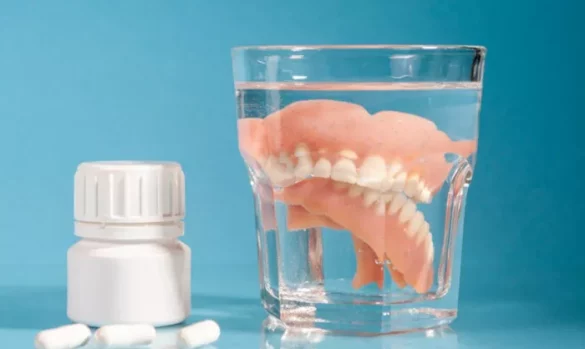
Proper denture care is essential for maintaining oral health and preventing complications like gum disease, bad breath, and irritation of sensitive teeth. Detoxing your dentures goes beyond simple cleaning. It ensures that bacteria, fungi, and food residues are completely removed. This guide provides detailed, step-by-step instructions to safely detox your dentures at home and preserve both your dentures and your overall oral health.
Understanding Denture Contamination
Dentures are constantly exposed to bacteria and fungi from food, saliva, and the environment. If not properly cleaned, these microorganisms can lead to oral infections, gum inflammation, and bad breath. Additionally, denture-related plaque can exacerbate issues in patients with sensitive teeth and pre-existing gum disease.
Why Detoxing is Important
Detoxing dentures is not just about appearance. Bacterial buildup can result in:
- Gum disease and gingivitis.
- Oral thrush caused by Candida fungi.
- Increased risk of cavities on remaining natural teeth.
- Discomfort and irritation for sensitive teeth.
Regular detoxing prevents these problems and prolongs the life of your dentures.
How to Detox Your Dentures: A Step-by-Step Guide
Step 1: Gather Your Materials
Before starting the detox process, ensure you have all necessary materials ready. This makes the process smooth and effective.
- Soft-bristled toothbrush or denture brush.
- Non-abrasive denture cleaner or mild dish soap.
- Warm water (not hot).
- White vinegar or hydrogen peroxide (optional for deep cleaning).
- Clean, soft towel.
- Container for soaking.
Step 2: Rinse Your Dentures
Begin by rinsing your dentures under warm running water. This removes loose debris, food particles, and reduces bacteria on the surface. Avoid using hot water, as it can warp the dentures.
Tips for Sensitive Teeth Users
If you have sensitive teeth, use lukewarm water to avoid triggering discomfort. Be gentle while rinsing to prevent chipping or scratching the denture surface.
Step 3: Brush Thoroughly
Use a soft-bristled brush to clean all surfaces of the dentures. Apply a non-abrasive denture cleaner or mild dish soap. Avoid toothpaste as it can be too abrasive for denture materials.
Technique for Effective Brushing
Brush all sides: the chewing surface, the inner fitting surface, and the edges.
Use gentle circular motions to dislodge bacteria and plaque.
Do not apply excessive pressure to prevent damage.
Step 4: Soak Dentures in Cleaning Solution
After brushing, soak your dentures in a cleaning solution. This helps remove deep-seated bacteria and disinfect the dentures.
Choosing a Solution
Options include:
Commercial denture cleansers that contain effervescent tablets.
White vinegar solution: mix equal parts of vinegar and water to help dissolve mineral deposits and kill bacteria.
Hydrogen peroxide solution (3%): effective for disinfection but should be used occasionally to prevent damage.
Soaking Duration
Typically, soaking should last 15-30 minutes. Avoid leaving dentures overnight in vinegar or hydrogen peroxide as prolonged exposure can weaken denture materials.
Step 5: Rinse Again
After soaking, rinse dentures thoroughly under warm running water to remove any residual cleaning solution. Residue can cause irritation to gums or sensitive teeth.
Step 6: Inspect for Damage
Examine your dentures carefully for cracks, chips, or areas where bacteria could accumulate. Damaged dentures should be repaired by a dentist to avoid infections and gum disease.
Signs You Need Professional Repair
- Visible cracks or chips.
- Discomfort while wearing dentures.
- Persistent odor even after cleaning.
- Loose fit causing irritation of sensitive teeth or gums.
Step 7: Dry Properly
After rinsing and inspection, dry your dentures with a soft, clean towel. Avoid air drying in dusty environments as this can reintroduce bacteria. Ensure dentures are completely dry before storing them.
Step 8: Store Dentures Safely
When not in use, store dentures in a clean container filled with water or a mild denture-soaking solution. This prevents them from drying out, warping, or harboring bacteria.
Storage Tips for Sensitive Users
Individuals with sensitive teeth should avoid solutions containing strong chemicals for long periods. Lukewarm water is usually sufficient overnight.
Step 9: Clean Your Gums and Mouth
Detoxing dentures also requires caring for your oral tissues. Use a soft toothbrush or gauze to clean your gums, tongue, and roof of the mouth daily. This reduces bacterial buildup and prevents gum disease.
Benefits for Sensitive Teeth
Gentle oral cleaning can prevent irritation and discomfort in sensitive areas. Rinsing with a mild, alcohol-free mouthwash can further reduce bacteria without causing sensitivity.
Step 10: Regular Professional Checkups
Even with proper detoxing at home, regular dental visits are crucial. Dentists can professionally clean dentures, check for proper fit, and monitor gum health.
Frequency of Checkups
Visiting your dentist every six months is ideal. Patients with sensitive teeth or a history of gum disease may require more frequent visits to prevent complications.
Additional Tips for Maintaining Detoxed Dentures
Remove dentures at night to give gums a rest and reduce bacterial growth.
Avoid using abrasive cleaners or whitening toothpaste that can scratch denture surfaces.
Rinse dentures after each meal to remove food particles and prevent odor.
Do not attempt to adjust dentures yourself; always seek professional help for adjustments.
Maintain a balanced diet to support overall oral health and reduce plaque buildup.
Conclusion
Detoxing your dentures is a vital part of maintaining oral health. Following these steps—rinsing, brushing, soaking, inspecting, drying, and storing—helps prevent gum disease, irritation of sensitive teeth, and bacterial buildup. Combined with regular oral hygiene and professional dental care, this routine ensures your dentures remain clean, comfortable, and safe for long-term use.
Remember, consistent care and attention to detail are key to preventing oral complications. By following this step-by-step guide, you can confidently maintain a healthy mouth and preserve the integrity of your dentures.
