

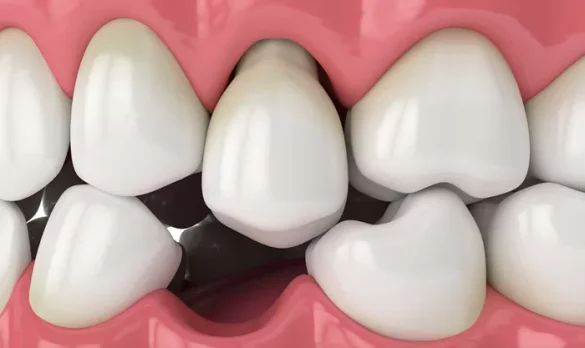
Loose teeth in adults are often a sign of advanced dental issues, most commonly linked to gum disease. Gum disease, also known as periodontal disease, is a chronic infection of the gums and supporting structures of the teeth. It can cause gum recession, bone loss, and eventual tooth loss if left untreated. Early recognition and treatment are crucial for preserving oral health.
Causes of Loose Teeth from Gum Disease
Plaque and Tartar Buildup
The main cause of gum disease is plaque buildup. Plaque is a sticky biofilm containing bacteria. If not removed by regular brushing and flossing, it hardens into tartar, which irritates the gums.
Gum Inflammation (Gingivitis)
Gingivitis is the earliest stage of gum disease. The gums become red, swollen, and bleed easily. Without treatment, gingivitis can progress to periodontitis, leading to loose teeth.
Bone Loss
In periodontitis, bacterial toxins destroy the supporting bone and ligaments that hold teeth in place. As the bone deteriorates, teeth loosen and may eventually fall out.
Signs and Symptoms of Gum Disease Leading to Loose Teeth
- Red, swollen gums
- Bleeding gums during brushing or flossing
- Persistent bad breath
- Receding gums
- Spaces developing between teeth
- Sensitive teeth due to exposed roots
- Movement or shifting of teeth
Immediate Actions to Take for Loose Teeth
Schedule a Dental Appointment
Professional evaluation is essential. A dentist or periodontist can determine the extent of gum disease and bone loss. Self-treatment without diagnosis may worsen the condition.
Avoid Excessive Pressure
Do not chew hard foods on the affected side. Avoid grinding or clenching teeth, which can worsen looseness.
Maintain Oral Hygiene
Brush gently twice daily with a soft-bristled toothbrush. Use antimicrobial mouthwash to reduce bacterial load.
Professional Treatments to Fix Loose Teeth from Gum Disease
Scaling and Root Planing
This deep cleaning procedure removes plaque and tartar from below the gumline and smooths the tooth roots. It helps gums reattach to teeth and reduces inflammation.
Antibiotic Therapy
Localized antibiotics, such as gels or chips placed in gum pockets, can target bacterial infection and promote healing.
Splinting Loose Teeth
Dental splinting involves bonding loose teeth together to distribute biting forces evenly. This stabilizes teeth while gums and bone heal.
Bone Grafting
In cases of severe bone loss, bone graft surgery can rebuild the jawbone. This provides better support for loose teeth.
Gum Surgery
Flap surgery may be necessary to remove deep tartar deposits and reduce gum pockets. Regenerative procedures may also be performed to encourage bone and tissue growth.
At-Home Care to Support Healing
Proper Brushing Technique
Hold the toothbrush at a 45-degree angle to the gumline and use gentle circular motions. Avoid harsh scrubbing to prevent further gum recession.
Flossing Daily
Clean between teeth to remove plaque and food particles that a toothbrush cannot reach. Use floss holders or interdental brushes if needed.
Rinsing with Salt Water
A warm saltwater rinse can soothe inflamed gums and reduce bacterial activity.
Healthy Diet
Consume foods rich in vitamin C, calcium, and omega-3 fatty acids to support gum health and bone density.
Preventing Loose Teeth from Gum Disease
Regular Dental Check-Ups
Visit the dentist every six months for cleaning and examination. Early intervention prevents progression of gum disease.
Quit Smoking
Smoking reduces blood flow to gums, slows healing, and increases the risk of gum disease.
Manage Underlying Health Conditions
Conditions such as diabetes can increase susceptibility to gum infections. Keep systemic diseases under control.
When Tooth Extraction Is Necessary
If the tooth is too loose and bone loss is severe, extraction may be the only option. Replacement options include dental implants, bridges, or partial dentures.
Conclusion
Loose teeth from gum disease are a serious dental health concern. Prompt dental care, professional treatments like scaling, splinting, or surgery, and dedicated at-home oral hygiene can save your teeth and restore gum health. Prevention remains the best strategy—daily cleaning, healthy habits, and regular dental visits are essential for a lifetime of strong teeth and healthy gums.
