


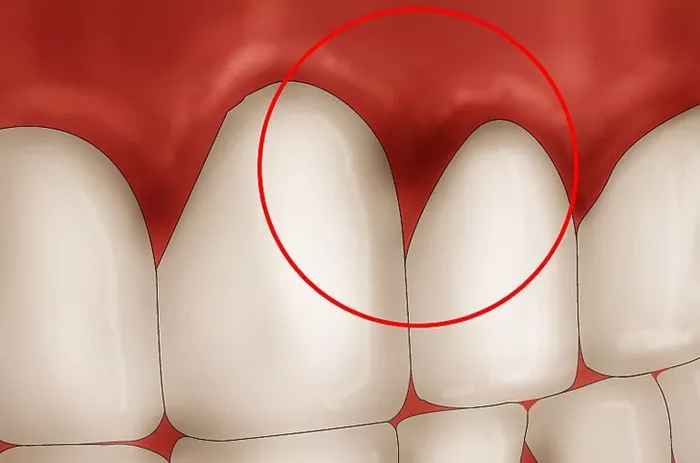
Gingivitis is a common and mild form of gum disease that causes irritation, redness, and swelling (inflammation) of your gingiva, the part of your gum around the base of your teeth. It’s usually caused by poor oral hygiene that encourages plaque to form on teeth, irritating the gum. Gingivitis is common and can lead to more serious gum disease and tooth loss if not treated. While it is impossible to fully eliminate gingivitis overnight without professional intervention, there are immediate measures you can take to reduce symptoms and alleviate discomfort. In this article, we’ll explore what causes gingivitis, how to manage it overnight, and the best practices for long-term gum health.
What Causes Gingivitis?
Gingivitis is caused by the accumulation of plaque, a sticky, colorless film of bacteria that forms on your teeth and gums. If plaque isn’t removed by brushing, it can harden into tartar, which irritates the gums and causes them to become inflamed.
Some of the most common causes of gingivitis include:
Poor Oral Hygiene: Inconsistent brushing and flossing allow plaque to form and irritate the gums.
Smoking or Chewing Tobacco: These habits lower your immune system’s ability to fight off infections, increasing your risk of gingivitis.
Not Flossing: Failing to floss allows plaque to accumulate between your teeth and along your gum line.
Poor Nutrition: A diet low in vitamins and minerals, particularly vitamin C, can increase the risk of gum disease.
Conditions that Decrease Immunity: Diseases such as leukemia, HIV/AIDS, or cancer treatment can increase the likelihood of gingivitis.
Certain Medications: Some medications, such as phenytoin, cyclosporine, and calcium channel blockers, can have side effects that promote gum disease.
Can Gingivitis Be Cured Overnight?
While it may not be possible to fully cure gingivitis overnight, you can take immediate steps to reduce the symptoms and stop the progression of the condition. By following these steps, you may significantly reduce inflammation, bleeding, and discomfort in your gums.
Steps to Get Rid of Gingivitis Overnight
1. Brush and Floss Your Teeth Properly
The first and most important step to reduce gingivitis symptoms is to brush and floss your teeth thoroughly. Plaque buildup is the primary cause of gingivitis, and eliminating it can immediately reduce gum inflammation. Use a soft-bristled toothbrush and fluoride toothpaste to brush your teeth for at least two minutes, ensuring that you reach all surfaces of your teeth and gums. Be gentle while brushing to avoid further irritating the gums.
Flossing is equally important as brushing, as it helps remove plaque and food particles from between your teeth where your toothbrush can’t reach. Gently slide the floss between your teeth, being careful not to damage your gums.
2. Use an Antiseptic Mouthwash
Rinsing with an antiseptic mouthwash can help kill the bacteria responsible for plaque buildup and gum inflammation. Look for a mouthwash that contains active ingredients like chlorhexidine or cetylpyridinium chloride. These compounds help reduce bacteria and prevent further irritation. Gargling with mouthwash for 30 seconds to one minute, twice daily, can have a significant effect on reducing gingivitis symptoms.
3. Apply a Warm Saltwater Rinse
A warm saltwater rinse is a simple yet effective home remedy for soothing inflamed gums and reducing the bacteria that contribute to gingivitis. Salt has natural antibacterial properties that can help promote healing. To prepare a saltwater rinse, dissolve half a teaspoon of salt in a glass of warm water. Swish the solution in your mouth for 30 seconds to one minute, and then spit it out. Repeat this process up to three times a day for optimal results.
4. Use Aloe Vera
Aloe vera has long been known for its soothing and healing properties, making it a popular remedy for gingivitis. Aloe vera gel has antimicrobial properties that help reduce bacteria and inflammation in the gums. You can apply aloe vera gel directly to your gums using your finger or a cotton ball. Leave it on for a few minutes before rinsing with water.
Alternatively, some mouthwashes contain aloe vera, which can be a more convenient option.
5. Apply Turmeric Paste
Turmeric has been shown to have powerful anti-inflammatory and antimicrobial properties, which can help alleviate the symptoms of gingivitis. To use turmeric as a remedy, make a paste by mixing turmeric powder with water. Apply the paste to your gums and leave it on for several minutes before rinsing with warm water. You can also add a pinch of salt to enhance the paste’s antibacterial effects.
6. Stay Hydrated
Drinking plenty of water throughout the day helps keep your mouth hydrated and flushes out harmful bacteria. A dry mouth increases the risk of plaque buildup, which can worsen gingivitis. Drinking water also helps maintain the flow of saliva, which naturally protects your gums and teeth from bacteria. Aim for at least 8 cups of water daily.
Dietary Tips for Managing Gingivitis
Your diet plays an important role in the health of your gums. Consuming nutrient-dense foods can help strengthen your immune system and improve your body’s ability to fight off infections, including gingivitis. Incorporate the following foods into your diet to promote gum health:
Vitamin C-rich Foods: Citrus fruits, strawberries, and bell peppers are high in vitamin C, which is essential for maintaining healthy gums.
Leafy Greens: Spinach and kale are rich in antioxidants and fiber, which support gum health and help reduce inflammation.
Nuts and Seeds: Almonds and sunflower seeds contain healthy fats and minerals that promote gum tissue healing.
Green Tea: Green tea contains catechins, which are antioxidants that help reduce inflammation and bacteria in the mouth.
Crunchy Vegetables: Carrots and celery help clean your teeth naturally as you chew, preventing plaque buildup.
When to See a Dentist
While home remedies can help manage gingivitis and reduce its symptoms overnight, they are not a permanent solution. If you notice that your symptoms persist or worsen, it’s important to see a dentist. Gingivitis can progress into more severe forms of gum disease, such as periodontitis, if left untreated. A dentist will perform a thorough cleaning to remove plaque and tartar and may provide other treatments to help restore your gum health.
Preventing Gingivitis: Long-Term Oral Care Tips
Once you’ve addressed gingivitis, the next step is prevention. Here are some important habits to incorporate into your daily routine to keep your gums healthy and prevent gingivitis from returning:
Brush Your Teeth Twice a Day: Brush for at least two minutes using a fluoride toothpaste.
Floss Daily: Flossing removes plaque from between teeth and along the gumline.
Visit Your Dentist Regularly: Schedule regular checkups and cleanings every six months.
Quit Smoking: Smoking weakens your immune system and increases the risk of gum disease.
Eat a Balanced Diet: Focus on foods that support your oral health, such as fruits, vegetables, and lean proteins.
Conclusion
While you cannot fully cure gingivitis overnight, the steps outlined above can help alleviate symptoms and reduce inflammation, providing relief until you can visit a dentist. Maintaining good oral hygiene, using natural remedies like saltwater rinses and aloe vera, and following a balanced diet are key to managing and preventing gingivitis in the long term.
Remember that regular dental visits are crucial for maintaining optimal gum health and preventing the progression of gum disease.