

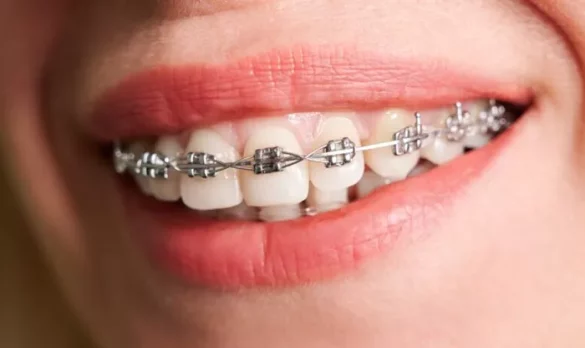
Braces doors, also known as self-ligating brackets, are an essential part of modern orthodontics. Unlike traditional braces that use elastic ties, self-ligating braces have built-in doors or clips to hold the archwire in place. Learning how to safely open and close these doors is crucial for orthodontists, dental assistants, and even informed patients who are managing their oral health. Improper handling can lead to damage, delayed treatment, gum disease, and discomfort for patients with sensitive teeth.
Understanding Braces Doors: Types and Function
There are two main types of self-ligating braces doors: passive and active. Passive doors slide easily and exert less pressure, making them ideal for the early stages of treatment. Active doors grip the wire more tightly and are used in later stages to fine-tune tooth movement. Both types of doors reduce friction and make adjustments more efficient. Knowing how they work is the first step in handling them safely.
Passive Brackets
Passive brackets allow the archwire to move freely, reducing friction. These doors open and close with minimal force and often require a special tool or probe to manipulate.
Active Brackets
Active brackets press against the wire to maintain firm control over tooth movement. These may require more careful handling during opening and closing due to the increased tension.
Essential Tools for Opening and Closing Braces Doors
Before beginning any procedure, having the right tools on hand is critical. Using incorrect instruments can cause damage or pain, especially for patients with sensitive teeth.
Common Tools Include:
- Explorer probe or ligature director
- Scaler or sickle scaler
- Self-ligating bracket opening tool
- Self-ligating bracket closing instrument
Make sure all tools are sanitized properly before and after use to prevent the risk of gum disease and infection.
Step-by-Step Guide to Opening Braces Doors
Step 1: Inspect the Bracket Type
Examine the patient’s bracket to determine whether it’s passive or active. This affects the direction and force needed to open the door.
Step 2: Position the Patient Comfortably
Ensure the patient is relaxed and positioned under proper lighting. Ask them to inform you immediately if they feel pain or sensitivity.
Step 3: Locate the Door Mechanism
Identify the hinge or sliding mechanism of the bracket. On most braces, the door slides either vertically or horizontally.
Step 4: Use the Proper Tool
With an explorer or bracket opening tool, gently apply pressure at the designated point. Slide or lift the door open slowly. Avoid forcing it open to prevent damage to the bracket or surrounding enamel.
Step 5: Confirm That the Door is Fully Open
Check visually and with a probe to ensure the door is entirely open. The archwire should now be free to be adjusted or replaced.
Step-by-Step Guide to Closing Braces Doors
Step 1: Position the Archwire
Make sure the archwire is properly seated in the bracket slot. It should lie flat and evenly across all brackets.
Step 2: Align the Door Mechanism
Align the door with its original track. This prevents misalignment, which can result in bracket failure or wire slippage.
Step 3: Close the Door with the Appropriate Tool
Use a closing instrument or gloved finger to gently push the door back into place. Do this slowly to avoid applying too much force on the bracket or irritating sensitive teeth.
Step 4: Verify the Closure
Run a probe along the bracket to confirm the door is locked securely. There should be no loose or protruding parts.
Common Mistakes and How to Avoid Them
Forcing the Door Open
Never use excessive force. This can lead to damage, prolonging treatment and causing unnecessary discomfort.
Using the Wrong Tool
Only use tools designed for opening and closing self-ligating braces. Improvised tools increase the risk of breakage and injury.
Not Noticing Bracket Wear
Check for worn or damaged brackets before opening. Damaged doors may not close properly and can irritate the gums, increasing the risk of gum disease.
Precautions for Patients with Sensitive Teeth
Patients with sensitive teeth may experience discomfort during adjustments. Use gentle pressure and communicate constantly with the patient to monitor their pain level.
Recommended Practices:
- Use a warming mouth rinse before adjustments to reduce sensitivity.
- Avoid metal tools directly contacting enamel.
- Provide post-adjustment care tips, such as cold compresses and sensitivity toothpaste.
Maintaining Oral Hygiene with Self-Ligating Braces
Proper cleaning is essential to prevent gum disease and decay during orthodontic treatment. Self-ligating braces make oral hygiene slightly easier due to fewer elastic ties, but brackets and wires still trap food.
Daily Oral Care Tips:
- Brush twice daily with a soft-bristled toothbrush
- Use interdental brushes around brackets and wires
- Floss using orthodontic threaders or water flossers
- Rinse with fluoride mouthwash
When to Seek Professional Help
If a door mechanism is stuck or broken, do not attempt to force it. Contact an orthodontist immediately. Improper handling could lead to bracket failure, pain, or injury.
Warning Signs:
- Bracket feels loose or shifts position
- Unusual pain after adjustments
- Visible damage to the door mechanism
- Persistent bleeding or signs of gum disease
Conclusion
Opening and closing braces doors safely is a fundamental skill in orthodontics. It requires understanding the bracket type, using the correct tools, and applying gentle, precise movements. Patients with sensitive teeth and those at risk for gum disease should receive special consideration during the procedure. Practicing proper technique protects the braces hardware, shortens treatment time, and safeguards the patient’s oral health.
