

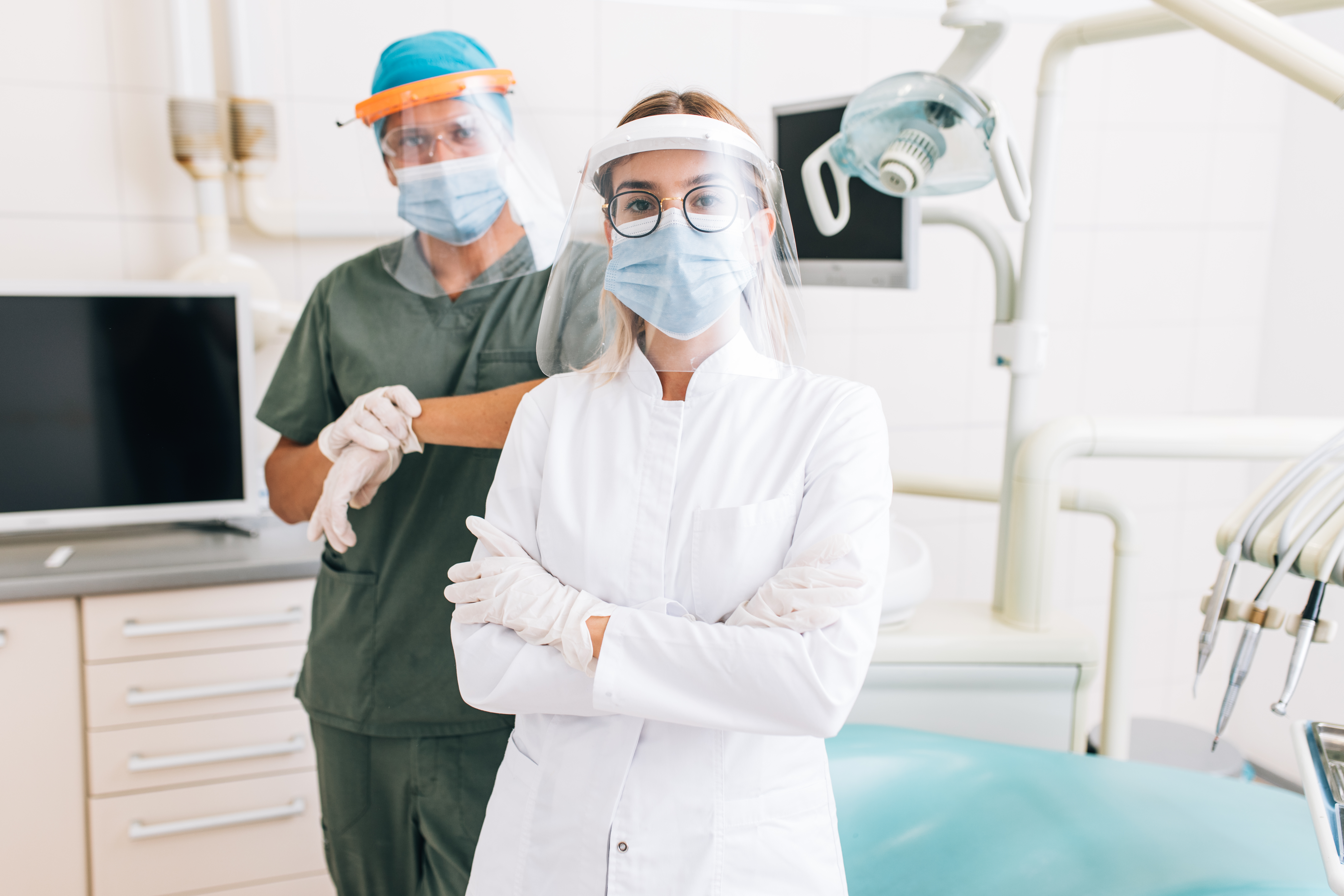
 Dental emergencies don’t just involve toothaches and broken restorations—some situations can escalate into true medical crises. From anaphylactic reactions to cardiac events, dental professionals must be prepared to act swiftly and effectively. Proper team training in emergency medicine can make all the difference in patient outcomes., ,1. Establishing Emergency Protocols
Every dental office should have written emergency protocols that outline step-by-step responses to different scenarios, including trauma management, medical emergencies, acute infections, and pain and sedation complications. Hold quarterly team meetings to review and refine these protocols, ensuring they align with current ADA and AHA guidelines., ,2. Emergency Drills: Practicing Real-World Scenarios
Regular hands-on simulations ensure every team member knows their role in a crisis. Drills should include Basic Life Support (BLS) and CPR certification updates, mock emergency scenarios, and reviewing office roles. Who calls 911? Who retrieves emergency equipment? Who documents the event? Schedule monthly emergency drills covering both dental and medical emergencies to reinforce rapid response skills., ,3. Stocking & Maintaining Emergency Equipment
Every dental office should have an updated emergency cart with:,- Oxygen and masks for respiratory distress
– Epinephrine auto-injectors for anaphylaxis
– Glucose sources for hypoglycemia
– AED (Automated External Defibrillator) for cardiac arrest
– Nitroglycerin for angina episodes
– Albuterol inhaler for asthma attacks
– Assign a team member to check expiration dates and restock supplies monthly., ,4. Recognizing the Signs of Medical Emergencies
Every team member—not just the dentist—should be trained to recognize early warning signs of medical distress. Train front desk staff to ask key medical history questions and recognize red flags before treatment begins., ,5. Creating a Culture of Preparedness
A well-trained team remains calm under pressure. Creating a culture where ongoing education and preparedness are priorities will ensure your dental office is equipped for any emergency. Encourage continuing education in dental emergency medicine, including courses in sedation safety, trauma response, and medical risk management., ,Emergency medicine in dentistry isn’t just about handling toothaches and infections—it’s about protecting patient lives. By implementing structured training protocols, regular drills, and maintaining emergency equipment, your team will be ready to handle any crisis with confidence., ,
/
/
How to Train Your Team for Dental Emergencies: A Critical Component of Emergency Medicine in Dentistry
