

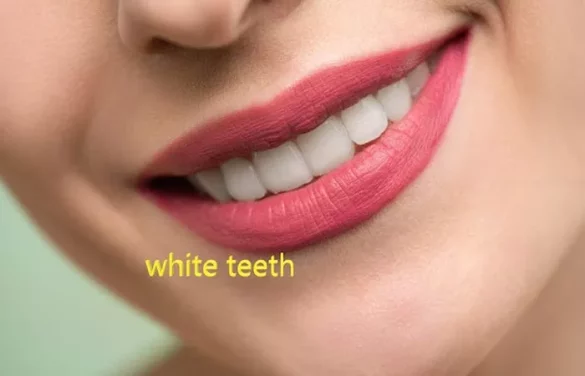
Many people dream of a brighter smile, but the fear of enamel damage often holds them back. Enamel is the hardest tissue in the body, yet it can erode if whitening is done improperly. This guide explains safe, dentist-approved ways to whiten teeth without risking long-term oral health problems like Sensitive Teeth or gum disease.
Understanding Tooth Enamel
Enamel is the outer protective layer of the tooth. It shields against physical and chemical damage. Unlike bone, enamel does not regenerate. Once worn away, it cannot be restored naturally. Because of this, any whitening method should be chosen carefully.
Why Enamel is Important
Enamel protects the inner dentin and pulp. It prevents cavities, sensitivity, and infections. When whitening treatments are too abrasive or chemical-heavy, enamel can weaken. This often leads to Sensitive Teeth and increases the risk of gum disease.
Causes of Tooth Discoloration
To whiten teeth safely, it is important to know what causes stains in the first place. Tooth discoloration can be extrinsic or intrinsic.
Extrinsic Stains
These stains appear on the outer enamel. They are usually caused by coffee, tea, red wine, tobacco, and dark foods. Poor oral hygiene can also allow plaque buildup, which makes stains more visible.
Intrinsic Stains
Intrinsic stains develop inside the tooth. They may result from aging, certain medications, trauma, or excessive fluoride exposure. These stains are harder to remove and may require professional dental treatment.
Age-Related Discoloration
As enamel wears down naturally with age, the yellow dentin underneath becomes more visible. This makes teeth appear dull and discolored over time.
Risks of Unsafe Whitening Methods
Some whitening methods can harm enamel and gums if not used correctly. Understanding these risks is key to safe treatment.
Abrasive Whitening Toothpaste
Whitening toothpaste with harsh abrasives can scrape away enamel. Over time, this increases sensitivity and weakens tooth structure.
Excessive Hydrogen Peroxide Use
High concentrations of hydrogen peroxide may erode enamel and irritate gums. While peroxide is safe in controlled amounts, overuse is dangerous.
DIY Whitening Remedies
Some home remedies like lemon juice and baking soda are harmful. Lemon juice is highly acidic, which dissolves enamel. Baking soda is abrasive and can wear down tooth surfaces.
Safe Professional Whitening Options
Dentists offer whitening treatments that balance safety and effectiveness. These treatments use controlled ingredients and minimize enamel risk.
In-Office Whitening
This procedure uses professional-grade bleaching agents under expert supervision. Dentists protect gums and monitor enamel safety during treatment. Results are immediate and long-lasting.
Custom Whitening Trays
Dentists may provide custom-fit trays for at-home whitening. These trays prevent gel from spilling onto gums, reducing irritation. Concentration levels are also safer than store-bought kits.
Safe At-Home Whitening Options
If professional treatment is not an option, safe at-home methods can still achieve results without enamel damage.
Whitening Toothpaste with Gentle Agents
Toothpaste containing mild abrasives and fluoride can gradually reduce stains. Look for products with the ADA Seal of Acceptance to ensure safety.
Whitening Strips
Over-the-counter whitening strips can be effective if used as directed. They usually contain safe peroxide levels. However, misuse may still cause Sensitive Teeth.
Whitening Mouthwash
Whitening rinses are less potent but safer for long-term use. They help reduce surface stains while promoting fresh breath and gum health.
Activated Charcoal
Although trendy, charcoal is abrasive. It should only be used occasionally and with dentist approval to avoid enamel wear.
Natural Whitening Methods That Protect Enamel
Natural approaches may not deliver dramatic results but can help maintain a whiter smile safely.
Oil Pulling
Swishing coconut oil may reduce bacteria and plaque. While not a replacement for professional care, it can support overall oral health.
Eating Crunchy Fruits and Vegetables
Apples, carrots, and celery help clean teeth naturally by scrubbing the enamel. They also stimulate saliva production, which protects against stains.
Maintaining Hydration
Water helps wash away food particles and bacteria. Drinking water after coffee or wine reduces staining potential.
Lifestyle Changes for Whiter Teeth
Adopting healthier habits can preserve whitening results and protect enamel.
Limit Stain-Causing Foods
Reducing coffee, tea, soda, and tobacco helps maintain a brighter smile. Using a straw can also minimize direct contact with enamel.
Good Oral Hygiene Practices
Brushing twice daily with fluoride toothpaste, flossing, and regular dental checkups are essential. These habits prevent plaque buildup and gum disease.
Regular Dental Cleanings
Professional cleanings remove tartar and surface stains more effectively than home care. Dentists can also monitor enamel condition.
Managing Sensitive Teeth During Whitening
Many patients experience temporary sensitivity during whitening. Safe management strategies can reduce discomfort.
Use Desensitizing Toothpaste
Toothpaste with potassium nitrate or fluoride helps calm nerve endings. This reduces tooth sensitivity caused by whitening agents.
Shorten Whitening Sessions
Instead of long treatments, use shorter but more frequent sessions. This approach protects enamel while still whitening effectively.
Avoid Extreme Temperatures
After whitening, avoid very hot or cold foods. Sensitive enamel reacts strongly to temperature changes.
When to See a Dentist
Professional advice is crucial before starting any whitening regimen. A dentist can identify enamel erosion, cavities, or gum disease that may worsen with whitening.
Warning Signs of Enamel Damage
Increased tooth sensitivity, thinning edges, and discoloration are signs of enamel erosion. These symptoms should not be ignored.
Professional Treatment Options
If enamel damage exists, dentists may recommend fluoride treatments, bonding, or veneers. These protect teeth and restore appearance safely.
Conclusion
Whitening teeth without damaging enamel is possible with safe methods and professional guidance. Avoid harsh DIY remedies, choose dentist-approved treatments, and maintain healthy oral habits. Protecting enamel ensures not only a whiter smile but also long-term dental health. With the right approach, patients can achieve confidence without sacrificing safety.
