

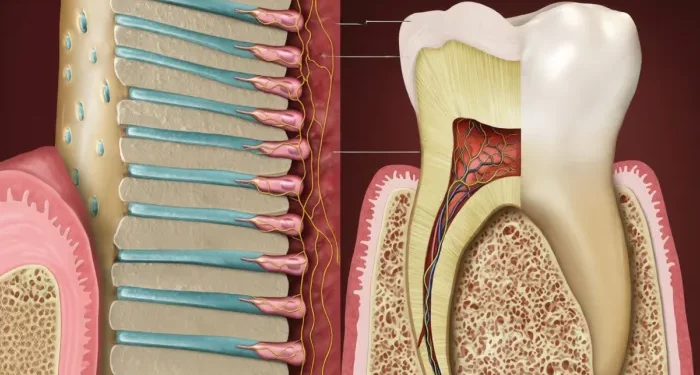
Tooth sensitivity is a common problem for many adults, impacting daily life and making activities such as eating, drinking, and even breathing in cold air uncomfortable. Dental professionals note that this discomfort usually occurs when the protective enamel on the teeth wears away or the gums recede, leaving nerve pathways exposed. As a result, hot, cold, or sweet foods may trigger pain in affected teeth.
One of the main causes of tooth sensitivity is enamel erosion. This can be brought about by regularly consuming acidic foods and drinks or by habits such as grinding and clenching teeth. Another contributing factor is gum recession, which often results from aggressive brushing techniques or periodontal disease. Cracked teeth, untreated cavities, and worn dental restorations can also expose sensitive areas, causing further discomfort. Sometimes, sensitivity is temporary and may appear after dental procedures like cleanings, whitening treatments, or other restorative work, but this usually resolves on its own.
Dental experts emphasize the importance of proper diagnosis to address sensitivity effectively. A thorough dental examination may include a visual check, X-rays, and a discussion about oral care habits. By pinpointing whether sensitivity is due to enamel loss, gum recession, decay, or structural damage, dentists can tailor treatment plans for lasting relief, rather than simply masking the problem with temporary measures.
Treatment options for sensitive teeth depend on the cause and severity. For milder cases, desensitizing toothpaste and fluoride applications can be effective in blocking nerve signals and rebuilding enamel. Patients with gum recession might require periodontal treatments to protect exposed root surfaces. In more severe cases, restorative dental work such as fillings, crowns, or bonding may be needed to seal and protect sensitive areas. When grinding is identified as a cause, dentists may recommend night guards to prevent further enamel damage.
Preventive care plays a key role in reducing tooth sensitivity. Dentists advise using a soft-bristled toothbrush, limiting intake of acidic foods and beverages, and scheduling regular dental visits. Early intervention can stop minor sensitivity from progressing to more complex health concerns. Persistent or worsening sensitivity should be evaluated by a professional, as it may signal underlying issues like tooth decay or gum disease. Products such as desensitizing toothpaste, which contain ingredients like potassium nitrate or stannous fluoride, are effective in managing sensitivity by calming nerve responses. Treating sensitivity early is usually less costly and helps avoid more extensive dental procedures later. Even those with sensitive teeth may undergo whitening treatments, provided their dentist uses special protocols to protect the enamel and minimize discomfort.
Tags: diseaseGum Diseaseperiodontal diseaseteethtooth Read More
