

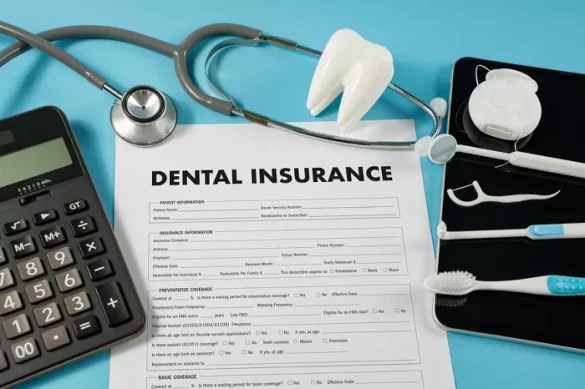
A major change is coming to dental insurance in Illinois. Beginning January 1, 2026, a new law—Senate Bill 1392—will allow patients to request direct payments from their insurance company to their dentist. This means no more paying out-of-pocket upfront and waiting for reimbursement. But there’s a key detail: you must opt in manually.
What The Law Changes
Under the current system, dental patients often have to pay for treatment before their insurance kicks in. This can be a financial burden, especially for costly procedures like crowns or root canals.
Starting in 2026, the law will require dental insurers in Illinois to send payments directly to dentists—but only if the policyholder requests it. This applies to a wide range of plans, including HMOs, PPOs, dental service plan corporations, and managed care policies regulated in the state.
For example, if a patient needs a $1,200 crown, they would usually pay that amount at the time of service. Under the new system, they could authorize the insurer to handle the payment instead—eliminating the upfront cost.
You Must Opt In Manually
This benefit is not automatic. Policyholders must actively contact their insurance provider and request that payments go straight to the dental provider. Without this step, the traditional reimbursement model remains in place.
While this adds a step, it also gives patients more control. They can decide whether they prefer to receive reimbursement themselves or have insurers pay providers directly.
Illinois Joins A Growing Trend
Illinois is not the first state to adopt this approach. Others, including Indiana and Wisconsin, already have similar laws in place. However, like Illinois, most states require manual opt-in, and many consumers are unaware the option exists.
As a result, patients often continue to pay dentists upfront unnecessarily—simply because they don’t know about direct payment rights.
January 1, 2026: Mark the Date
This new law will go into effect on the first day of 2026. From that point on, Illinois residents can ask their insurers to handle dental payments directly with providers. But to benefit, they must opt in.
