

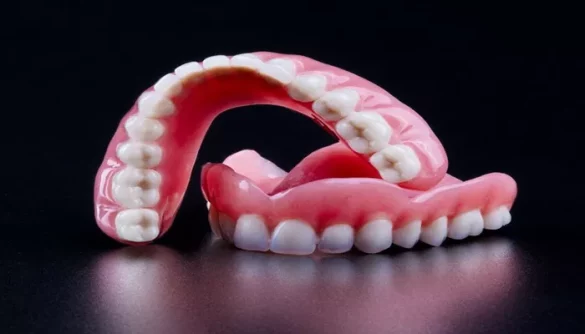
Immediate dentures are removable dental prostheses that are placed in a patient’s mouth immediately after tooth extractions. They serve as a temporary solution until permanent dentures are made. Dentists recommend them to help patients avoid being without teeth during the healing period. This process allows patients to maintain their appearance and function while the gums and bone heal.
Why Immediate Dentures Are Needed
Tooth loss can result from decay, gum inflammation, trauma, or advanced periodontal disease. Tooth extractions are often necessary when teeth cannot be saved. However, being without teeth can affect speech, chewing, and confidence. Immediate dentures provide an instant replacement, so patients do not experience a long period without teeth.
The Process of Getting Immediate Dentures
Initial Consultation
The first step is an evaluation by a dentist or prosthodontist. During this visit, the dentist examines the mouth, gums, and teeth to determine if immediate dentures are suitable. X-rays may be taken to assess the bone and roots of the teeth that need extraction.
Impressions and Measurements
Before tooth extractions, impressions of the mouth are taken. These impressions are used to create a model that guides the construction of the immediate dentures. Accurate measurements ensure proper fit and comfort.
Tooth Extraction and Placement
On the day of surgery, the dentist removes the teeth and immediately places the dentures. This step helps control bleeding, protects the extraction sites, and maintains facial appearance. Since the dentures act as a bandage, they can minimize swelling and discomfort after surgery.
Advantages of Immediate Dentures
Maintains Aesthetic Appearance
One of the main benefits is that patients are never without teeth. This advantage supports self-confidence and avoids embarrassment in social and professional situations.
Helps with Healing
Immediate dentures can protect the tissues and reduce bleeding after tooth extractions. They may also shield the wound from food particles, lowering the risk of infection.
Facilitates Speaking and Chewing
Without dentures, patients may struggle to chew or pronounce words correctly. Immediate dentures restore these functions more quickly compared to waiting months for healing before receiving permanent dentures.
Maintains Jaw and Facial Shape
After tooth loss, the jawbone begins to resorb, which changes facial appearance. Immediate dentures provide support for the lips and cheeks, preventing a sunken facial profile during the healing process.
Challenges and Limitations of Immediate Dentures
Frequent Adjustments
As gums heal after tooth extractions, their shape changes. This process causes dentures to loosen, requiring adjustments or relining. Patients should expect several dental visits for refitting during the healing period.
Higher Cost
Immediate dentures often cost more than conventional dentures because they involve more appointments, modifications, and sometimes additional laboratory fees.
Not a Permanent Solution
Immediate dentures are temporary. Once the gums and bone heal, permanent dentures or other restorations like dental implants are usually recommended.
Possible Gum Inflammation
Wearing dentures right after extractions can sometimes irritate tissues and cause gum inflammation. Patients must maintain excellent oral hygiene to prevent infection and promote healing.
Care and Maintenance of Immediate Dentures
Cleaning Instructions
Dentures should be removed and cleaned daily using a soft brush and non-abrasive cleanser. Proper cleaning prevents plaque buildup and protects oral health. Patients should also rinse their mouth with salt water or a mild mouthwash to aid healing.
Relining and Adjustments
As the gums shrink, relining is necessary to ensure comfort and stability. A dentist may add a temporary lining material or recommend a rebase later.
Dietary Changes
Patients should begin with soft foods after surgery and gradually reintroduce harder foods. Chewing on both sides evenly helps prevent soreness and keeps dentures balanced.
Follow-Up Visits
Frequent dental checkups are crucial. The dentist will monitor healing, evaluate for gum inflammation, and make adjustments to avoid sore spots or difficulty chewing.
Comparison with Conventional Dentures
Timing
Immediate dentures are placed on the same day as tooth extractions. Conventional dentures, however, are made after the gums have healed, which can take several months.
Fit and Comfort
Since immediate dentures are made before extractions, their fit may not be as precise as conventional dentures. Adjustments are often required during healing.
Healing Considerations
Conventional dentures allow gums to heal without a prosthesis, but this means patients must live without teeth temporarily. Immediate dentures provide instant function and appearance, though healing occurs under the denture base.
Immediate Dentures and Oral Health
Prevention of Gum Inflammation
Proper cleaning and adjustments prevent gum inflammation. Patients should follow their dentist’s instructions and report persistent soreness or swelling immediately.
Impact on Tooth Extractions
Immediate dentures protect the extraction sites by covering them, which can reduce food impaction and trauma. This protective effect supports faster recovery and lowers the risk of complications.
Long-Term Oral Health
While immediate dentures are temporary, they contribute to long-term oral health by preserving function and appearance. Once the healing process is complete, patients can transition to permanent dentures or consider dental implants for stability.
Who Is a Candidate for Immediate Dentures?
Ideal candidates include patients who require multiple tooth extractions and want to avoid being without teeth. However, patients with severe bone loss, uncontrolled gum inflammation, or medical issues may need alternative treatment. A thorough dental evaluation is essential before deciding.
Risks Associated with Immediate Dentures
Risks include sore spots, gum inflammation, speech difficulties, and difficulty adjusting to chewing. Some patients may also experience faster bone resorption. Close monitoring by a dentist minimizes these risks.
Immediate Dentures vs. Dental Implants
Stability
Dental implants provide stronger stability compared to immediate dentures. However, implants require surgery and a longer healing process before final restoration.
Cost Differences
Immediate dentures are less expensive than implants, making them more accessible. Implants, though costlier, offer long-term benefits such as bone preservation.
Suitability
Some patients may use immediate dentures as a temporary solution before transitioning to implants. This approach allows them to maintain appearance while planning for permanent solutions.
Psychological and Social Benefits
Immediate dentures help patients feel more confident after tooth loss. They allow individuals to continue working, socializing, and engaging in normal activities without the embarrassment of missing teeth. This benefit has a major impact on mental health and quality of life.
Conclusion
Immediate dentures play a crucial role in modern dentistry. They allow patients to regain function and appearance immediately after tooth extractions, preventing long gaps without teeth. While they require adjustments and are not permanent, their benefits in aesthetics, comfort, and healing make them a valuable treatment option. Patients must maintain good oral hygiene to prevent gum inflammation and attend regular dental visits for adjustments. For many, immediate dentures serve as the bridge between tooth extractions and permanent dental restorations such as implants or conventional dentures.
