


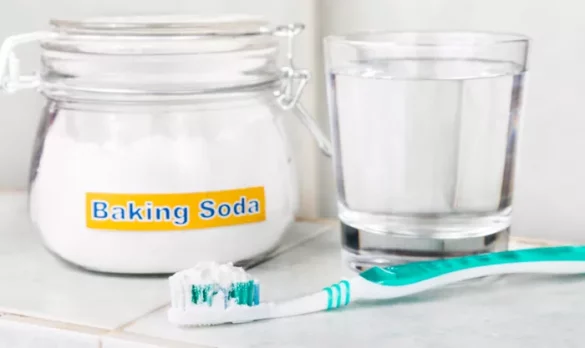
Baking soda, or sodium bicarbonate, is a common household ingredient often recommended as a natural teeth whitener. Many people use it to remove surface stains and improve the brightness of their smile. While it can have benefits, it also carries potential risks for dental health if used improperly. In this article, we will explore whether it is bad to use baking soda on your teeth, its effects on sensitive teeth, gum disease, and oral hygiene overall.
What is Baking Soda?
Baking soda is a white, crystalline powder commonly used in baking and cleaning. Its mildly abrasive nature makes it effective in removing stains from teeth. It also has alkaline properties that help neutralize acids in the mouth, which can reduce the risk of enamel erosion. However, despite these benefits, it is not a substitute for professional dental care.
How Baking Soda Works on Teeth
Baking soda works primarily through its mild abrasiveness. It can polish the surface of teeth, removing plaque and surface stains caused by coffee, tea, and tobacco. Its alkaline nature can help balance the pH of the mouth, potentially reducing the risk of acid-related tooth decay. Some people mix it with water or toothpaste to create a paste for brushing.
Potential Benefits of Baking Soda
Whitening Effect
One of the main reasons people use baking soda is for teeth whitening. Baking soda can remove surface stains, making teeth appear brighter. While it does not change the natural color of teeth, it can be effective for cosmetic enhancement when used in moderation.
Neutralizes Acids
Baking soda’s alkaline properties can neutralize acids produced by bacteria in the mouth. These acids can erode enamel over time, leading to tooth sensitivity and cavities. By neutralizing acid, baking soda may help protect the enamel and reduce the risk of sensitive teeth.
Fights Bacteria
Some studies suggest that baking soda has mild antibacterial properties. It may help reduce bacterial growth that contributes to plaque and gum disease. While it is not a replacement for antiseptic mouthwashes or regular dental care, it can complement good oral hygiene practices.
Risks of Using Baking Soda on Teeth
Abrasiveness and Enamel Erosion
Although baking soda is less abrasive than many commercial whitening products, excessive or aggressive use can wear down tooth enamel. Enamel erosion can lead to increased tooth sensitivity, yellowing of teeth, and a higher risk of cavities.
Using baking soda too frequently or with hard brushing can damage the teeth over time.
Effect on Sensitive Teeth
Individuals with sensitive teeth should be cautious when using baking soda. Its abrasiveness can worsen sensitivity and cause discomfort while brushing. If you experience pain or discomfort, it is advisable to stop using baking soda and consult a dentist for safer alternatives.
Impact on Gums
Using baking soda aggressively can irritate the gums. This can lead to inflammation, bleeding, or exacerbate existing gum disease. People with gum disease should avoid regular baking soda brushing unless recommended by a dental professional.
Potential for Imbalanced Oral pH
While baking soda neutralizes acids, overuse may disrupt the natural pH balance of the mouth. This could interfere with the natural protective mechanisms of saliva and oral bacteria, potentially increasing the risk of dental issues over time.
Safe Ways to Use Baking Soda
Limit Frequency
It is generally safe to use baking soda for teeth whitening up to 2–3 times per week. Daily use can increase the risk of enamel erosion and sensitivity. Moderation is key.
Mix with Toothpaste
Instead of brushing with pure baking soda, mix a small amount with fluoride toothpaste. This reduces abrasiveness and provides additional protection for enamel and gums.
Gentle Brushing
Use a soft-bristled toothbrush and gentle pressure when brushing with baking soda. Avoid aggressive scrubbing, which can damage enamel and irritate gums.
Consult Your Dentist
Before incorporating baking soda into your oral care routine, especially if you have sensitive teeth or gum disease, consult your dentist. They can recommend safe practices and alternative whitening methods tailored to your needs.
Alternatives to Baking Soda for Whitening
Professional Whitening Treatments
Dentists offer safe and effective whitening treatments that remove stains without harming enamel. These treatments are tailored to your dental health and are a better option for people with sensitive teeth or gum issues.
Whitening Toothpaste
Fluoride-based whitening toothpaste is less abrasive than baking soda. These products are designed to safely remove surface stains while protecting enamel and reducing the risk of sensitive teeth.
Natural Alternatives
Other natural options like activated charcoal or oil pulling are sometimes used for cosmetic whitening. However, their effectiveness and safety vary, and professional guidance is recommended before regular use.
Conclusion
Baking soda can be effective for removing surface stains and neutralizing acids in the mouth, but it carries risks for enamel, sensitive teeth, and gum health if used incorrectly. Limiting frequency, using gentle brushing techniques, and consulting a dentist can help minimize risks. For safe and effective teeth whitening, professional treatments or specially formulated whitening toothpaste are recommended. Ultimately, while baking soda can be part of oral care, it should be used with caution to protect your dental health.