

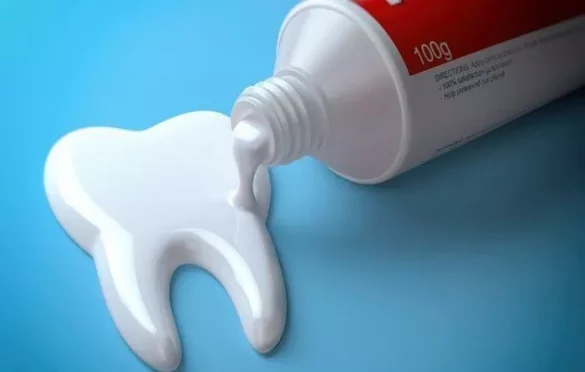
Toothpaste is a product most people use daily without much thought. It helps clean the teeth, remove plaque, and prevent gum disease. However, some people report discomfort or pain after using toothpaste. This pain may be short-lived, or it may continue after brushing. Many wonder whether such pain is normal or if it signals a dental problem. This article explores the possible reasons, what is normal, and when professional dental advice is needed.
Understanding Tooth Sensitivity
Pain after using toothpaste is often linked to sensitive teeth. Sensitive teeth can react to hot, cold, sweet, or acidic substances. When brushing, toothpaste and water may trigger sharp pain. Tooth sensitivity occurs when the protective enamel is thin or when gum recession exposes the dentin. The dentin contains tiny tubules that connect to the nerves. Once exposed, they can easily send signals of pain.
How Sensitive Teeth Affect Brushing
For people with sensitive teeth, even mild toothpaste ingredients may cause pain. Whitening agents, fluoride, or foaming agents can irritate exposed dentin. If the toothpaste contains abrasives, it may increase discomfort by wearing down enamel further. Pain after brushing should not be ignored, especially if it happens frequently.
Possible Causes of Pain After Toothpaste
1. Gum Disease
Gum disease, also known as periodontal disease, is a major cause of pain when using toothpaste. Inflamed gums may bleed or sting when toothpaste comes into contact with them. Gingivitis, the early stage of gum disease, may cause red and tender gums. If untreated, it can progress to periodontitis, which affects deeper tissues. Brushing with regular toothpaste may irritate diseased gums and trigger pain.
2. Sensitive Teeth
As mentioned, sensitive teeth are among the most common causes of pain after brushing. Receding gums, enamel erosion, or cavities can leave the inner dentin exposed. The ingredients in toothpaste may irritate these sensitive areas. Using toothpaste designed for sensitive teeth can reduce this reaction over time.
3. Cavities and Tooth Decay
Cavities expose the inner layers of the tooth. When toothpaste contacts a decayed area, it may cause sharp or lingering pain. Cavities can also cause sensitivity to cold water during brushing. If pain occurs regularly, a dental examination is recommended to check for decay.
4. Mouth Ulcers or Sores
Sometimes pain is not from the teeth but from soft tissue. Mouth ulcers, cuts, or canker sores may sting when toothpaste touches them. Ingredients like sodium lauryl sulfate, which creates foam, can worsen irritation. People prone to mouth ulcers may experience this problem more often.
5. Whitening Toothpaste
Whitening toothpastes contain strong agents designed to remove stains. These may include abrasives or peroxide compounds. For some users, these cause irritation or pain, especially if enamel is thin. Pain is not always a sign of damage, but continued discomfort may mean the toothpaste is too harsh for daily use.
6. Allergic Reactions
Although rare, some people may be allergic to toothpaste ingredients. Reactions may include burning sensations, swollen gums, or mouth pain. Common allergens include flavoring agents such as cinnamon or peppermint. If pain occurs suddenly after changing toothpaste, an allergy could be the cause.
Is Pain After Toothpaste Normal?
Occasional mild discomfort may not be a serious concern. For example, a brief tingle after using whitening toothpaste may be common. However, regular or intense pain is not considered normal. Pain is usually a sign of an underlying dental issue, such as gum disease, cavities, or tooth sensitivity. Therefore, it is important to observe the pattern. If pain happens every time you brush, it should not be dismissed.
When to Seek Professional Help
A dentist should be consulted if the pain persists. Professional advice is necessary if the pain is sharp, lasts long after brushing, or interferes with daily life. A dental checkup can detect gum disease, cavities, or enamel erosion early. Dentists can also recommend a suitable toothpaste for sensitive teeth. Ignoring pain may lead to worsening conditions that require more extensive treatment later.
How to Reduce Pain After Using Toothpaste
Switch to Sensitive Toothpaste
Toothpastes formulated for sensitive teeth can block pain signals from dentin tubules. They often contain potassium nitrate or stannous fluoride. These ingredients calm the nerves inside the teeth. Consistent use can reduce sensitivity after several weeks.
Avoid Whitening or Abrasive Toothpaste
If teeth are already sensitive, abrasive or whitening toothpaste may worsen the problem. Choosing a gentle toothpaste without strong chemicals can minimize irritation. Mild fluoride toothpaste may be a safer choice for sensitive users.
Maintain Gentle Brushing Habits
Brushing too hard can wear away enamel and cause gum recession. Both conditions increase sensitivity and pain. Using a soft-bristled toothbrush and brushing gently in circular motions can prevent further damage. Proper brushing technique is more important than brushing force.
Address Gum Disease
If gum disease is the cause of pain, professional cleaning is essential. Regular brushing and flossing can help manage gingivitis. In advanced cases, deep cleaning or periodontal treatment may be needed. Pain from toothpaste will not improve unless gum disease is controlled.
Check for Cavities
When cavities are present, no toothpaste can stop the pain fully. Dental fillings or restorations are required to treat decay. Until treated, brushing will continue to cause discomfort. Seeing a dentist promptly prevents cavities from getting larger.
Role of Fluoride in Toothpaste
Fluoride helps strengthen enamel and prevent cavities. However, for people with gum disease or sores, fluoride may sting at first. Over time, its protective benefits outweigh the temporary discomfort. Sensitive formulas with fluoride provide both comfort and protection.
When Pain Is a Warning Sign
Sometimes, pain after toothpaste is the body’s warning sign. Ignoring it may allow gum disease or cavities to progress. Pain is often the earliest indicator of enamel erosion or oral infection. Recognizing it early gives you a chance to act before serious dental procedures become necessary.
Conclusion
Pain after using toothpaste is not always normal. While minor tingling from whitening products may be harmless, persistent pain often signals dental problems. Sensitive teeth, gum disease, cavities, and mouth ulcers are common causes.
The best approach is to switch to gentle toothpaste, use proper brushing techniques, and see a dentist if pain continues. Dental health depends on early detection and consistent care. By paying attention to the signs your mouth gives you, you can protect your teeth, gums, and overall oral health.
