


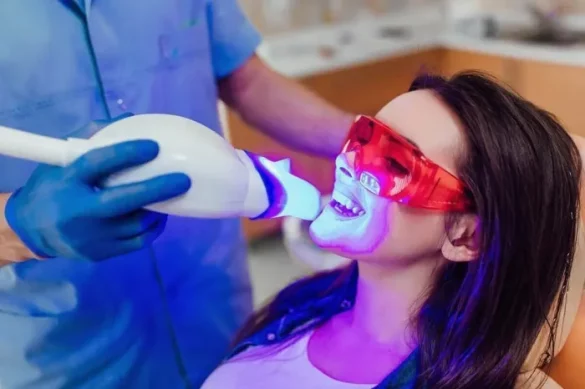
If you are considering professional teeth whitening, one of the first questions you might ask is whether the procedure is painful. Many people worry about experiencing discomfort during or after whitening treatments, especially if they have sensitive teeth. Understanding what happens during professional teeth whitening, its potential side effects, and how pain can be managed will help you make an informed decision about improving your smile.
What Is Professional Teeth Whitening?
Professional teeth whitening is a cosmetic dental treatment designed to remove stains and brighten the natural color of your teeth. It is performed at a dental office, using advanced products and techniques that are safer and more effective than over-the-counter whitening kits. Dentists use high-strength whitening agents, such as hydrogen peroxide or carbamide peroxide, which are carefully selected based on your dental needs and sensitivity.
The Professional Whitening Procedure Explained
When you visit the dentist for teeth whitening, the process typically begins with a thorough dental evaluation. The dentist looks for any signs of tooth decay, gum disease, or existing sensitivity. Addressing these issues beforehand ensures the whitening process proceeds smoothly and safely.
Once your oral health is confirmed, the dentist selects a whitening shade that matches your desired outcome. Special tools, like bite blocks and custom-fitted trays, are used to protect your gums and hold the whitening gel in place. The dentist then applies the whitening agent to your teeth in several sessions, often with short rest periods in between. The entire procedure is designed with your comfort in mind, and the dentist closely monitors your reactions throughout.
Is Professional Teeth Whitening Painful?
Most patients report little to no pain during the actual whitening procedure. Dentists use advanced techniques and protective barriers to minimize discomfort. The application of the whitening gel is gentle, and exposure times are controlled for safety.
However, some patients may experience mild or temporary sensitivity after the treatment. This sensitivity is mainly due to the whitening agents penetrating the enamel and exposing microscopic channels that lead to the tooth’s dentin layer. You may feel a brief tingling or sensitivity when consuming hot or cold drinks, sweet foods, or even breathing in cold air. These effects typically last between 24 to 48 hours but can persist longer for those with naturally sensitive teeth.
Additionally, mild gum irritation may occur if the whitening gel comes into contact with the soft tissue. Dentists use custom-fitted trays and careful application to avoid these side effects, but occasional redness or a burning sensation can still happen. Such discomfort is temporary and can be relieved with simple dental care.
Factors That Influence Whitening Sensitivity
Whitening Agent Concentration
Professional whitening treatments use stronger solutions than over-the-counter products. While higher concentrations offer faster results, they can also increase the risk of temporary sensitivity. Dentists can adjust the strength of these agents based on your comfort level and oral health needs, reducing discomfort.
Pre-existing Dental Conditions
Patients with existing dental issues, like cavities, gum disease, or worn enamel, may experience heightened discomfort during whitening. These problems expose nerve endings or inflame soft tissues, making them more sensitive to treatment. Your dentist will check and treat any issues before starting the whitening procedure.
Individual Sensitivity Levels
Everyone’s teeth and gums are different. Some people have naturally thinner enamel or more sensitive teeth, making them more prone to discomfort from whitening agents. If you have a history of sensitivity, share this with your dentist so the treatment can be customized for you.
Previous Whitening Sessions
Repeated whitening treatments can gradually thin tooth enamel, increasing sensitivity. If you have had multiple whitening sessions in the past, you may notice more discomfort during subsequent procedures. Discuss your whitening history with your dental professional to adjust your treatment plan.
Tips to Minimize Discomfort During and After Whitening
Before Treatment
- Use toothpaste designed for sensitive teeth several days before your appointment.
- Schedule a dental check-up to identify and treat any underlying issues.
- Take a mild pain reliever if you expect sensitivity, as recommended by your dentist.
During Treatment
- Choose professional whitening rather than home kits, as dentists use custom-fitted trays and protective gels.
- Ask your dentist to use desensitizing agents
- Inform your dentist immediately if you feel any discomfort, so they can adjust the treatment.
After Treatment
- Avoid consuming very hot or cold foods and drinks for the first couple of days.
- Continue using sensitive toothpaste.
- Use a soft-bristled toothbrush to minimize gum and enamel irritation.
- Rinse your mouth with lukewarm water after meals.
When Should You Consult a Dentist?
Professional teeth whitening is safe for most individuals, but you should seek dental advice if you experience persistent pain or severe sensitivity after your procedure. Warning signs include sensitivity lasting longer than 48 hours, sharp shooting pains that interfere with eating or drinking, bleeding or severe gum irritation, or visible changes in tooth texture. Your dentist can provide prompt treatment and alternative whitening options if needed.
Certain individuals may need to avoid whitening treatments altogether. Contraindications include untreated tooth decay, exposed tooth roots, recent dental work, pregnancy, large fillings, crowns, or veneers in visible teeth, gum disease, receding gums, or age under sixteen. Professional dental evaluation is essential before starting whitening procedures if you have any of these risk factors.
The Benefits of Professional Teeth Whitening
Faster and More Noticeable Results
Professional whitening produces more dramatic results than supermarket products. You can usually see a difference after just one session, thanks to the high-strength agents used under dental supervision.
Customized Care
Dentists tailor whitening treatments to your needs, using personalized trays, adjusting concentrations, and offering sensitive-specific products.
Enhanced Safety
Dental professionals monitor each step to avoid overuse of whitening agents and minimize enamel damage.
Long-Lasting Brightness
With professional advice and follow-up care, the results can last several months or longer. Dentists will recommend tips and products to keep your smile bright.
Comprehensive Oral Health
A dentist will evaluate and treat any oral issues before whitening, protecting your dental health and ensuring optimal outcomes.
Conclusion
Professional teeth whitening is generally not painful. While some individuals may experience brief sensitivity or mild gum irritation, these effects are typically short-lived and manageable. Dentists carefully select whitening agents, apply protective measures, and offer customized treatment plans to minimize discomfort and maximize results. If you are worried about pain, share your concerns with your dental professional before the procedure. With good communication and the right care, you can achieve a brighter, whiter smile comfortably and safely.
Frequently Asked Questions (FAQs)
Is professional teeth whitening painful?
No, the procedure itself is usually painless. Some patients may experience mild sensitivity after treatment, but this is temporary.
How long does sensitivity last after whitening?
Sensitivity generally lasts 24–48 hours and resolves on its own.
Can I get professional whitening if I have sensitive teeth?
Yes, but inform your dentist beforehand. They can use special products and techniques to minimize discomfort.
What can I do if my gums hurt after whitening?
Use a soft-bristled toothbrush and avoid harsh foods. If pain persists, contact your dentist.
Are there alternatives if I experience pain during whitening?
Dentists can provide lower-concentration treatments or use specific products for sensitive teeth. Always discuss any past discomfort with your dental professional.