

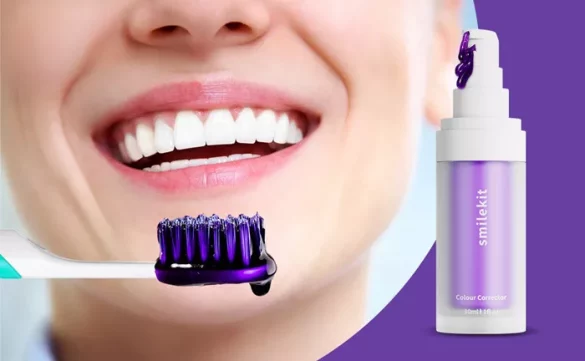
In recent years, toothpaste brands have introduced a variety of colors and formulas to attract consumers. One color that has gained attention is purple toothpaste. This vibrant shade is often marketed with claims of whitening, stain removal, or special ingredients that protect your gums and teeth. But many people wonder: is purple toothpaste bad for your teeth? This article will explore this question carefully, examining the ingredients, effects on sensitive teeth, gum disease, and overall oral health.
Understanding Toothpaste Ingredients
To know if purple toothpaste can harm your teeth, it is essential to understand what makes up toothpaste. Most toothpastes contain:
Abrasives: Help remove plaque and surface stains.
Fluoride: Protects teeth against decay.
Detergents: Help create foam and clean teeth.
Flavoring agents: Give toothpaste its taste and fresh breath.
Coloring agents: Provide the toothpaste color, like purple in this case.
Additional ingredients: Such as desensitizing agents or antibacterial compounds.
The purple color itself usually comes from approved food-grade dyes or pigments, which are considered safe for oral use.
However, the impact of purple toothpaste depends on more than just color.
Are Coloring Agents in Purple Toothpaste Safe?
Coloring agents in toothpaste are regulated by authorities like the FDA in the US and similar bodies worldwide. These colorants must be non-toxic and safe for daily use. Purple toothpastes commonly use dyes like:
- FD&C Violet No. 2
- FD&C Blue No. 1 mixed with red pigments
These dyes do not cause damage to tooth enamel or gums. They are typically inert and do not interact chemically with your teeth or saliva. Therefore, the purple color alone is not harmful to your teeth or gums.
Potential Concerns with Purple Toothpaste
Although the color itself is safe, some purple toothpastes come with extra whitening or cleaning agents. These can sometimes cause issues:
Abrasiveness: Some whitening toothpastes are more abrasive. If used too frequently or aggressively, they can wear down enamel, causing sensitivity.
Bleaching agents: Some contain mild bleaching chemicals that may irritate sensitive gums or teeth.
Flavoring: Strong mint or other flavors may irritate people with sensitive oral tissues.
It is important to read the label and understand if the purple toothpaste contains extra whitening ingredients or harsh abrasives. This could indirectly cause problems, especially if you have gum disease or sensitive teeth.
Impact on Sensitive Teeth
Sensitive teeth are caused by exposed dentin or worn enamel. People with sensitive teeth often experience pain or discomfort when exposed to hot, cold, sweet, or acidic substances. When considering purple toothpaste:
If it contains strong abrasives, it may worsen sensitivity by removing enamel.
Some formulas include desensitizing ingredients like potassium nitrate or stannous fluoride, which can help reduce sensitivity.
Toothpaste with harsh whitening agents or bleaching chemicals might cause temporary irritation or sensitivity flare-ups.
Choosing a toothpaste designed for sensitive teeth, regardless of color, is key. If your purple toothpaste does not contain desensitizing agents, and instead has strong abrasives, it might be less suitable for sensitive teeth.
Effect on Gum Disease and Gum Health
Gum disease, or periodontal disease, involves inflammation and infection of the gums. Maintaining gum health requires gentle yet effective cleaning. Purple toothpaste, like any toothpaste, can affect gum health in these ways:
Mild toothpaste: Formulas with antibacterial agents like triclosan or stannous fluoride can help reduce bacteria that cause gum disease.
Abrasive toothpaste: Toothpastes that are too abrasive can damage delicate gum tissues, causing irritation or recession.
Harsh flavors or ingredients: May cause gum inflammation in sensitive individuals.
The purple color does not affect gums directly. However, it is vital to avoid toothpastes that irritate your gums or worsen any existing gum disease.
Whitening Claims and Reality
Purple toothpaste is sometimes marketed as a whitening toothpaste because the purple color can counteract yellow tones on teeth through optical effects. This is a form of color theory where purple hues neutralize yellowish shades, making teeth look whiter temporarily.
But this effect is cosmetic and superficial:
- It does not remove deep stains.
- It does not bleach enamel chemically.
- Its effect lasts only until you rinse your mouth or eat/drink.
Consumers should not expect purple toothpaste alone to dramatically whiten teeth. Overuse of whitening toothpastes can cause enamel erosion and sensitivity.
How to Choose the Right Toothpaste for Your Oral Health
Whether or not the toothpaste is purple, consider these factors when choosing toothpaste:
For sensitive teeth: Look for toothpastes with desensitizing ingredients.
For gum disease: Choose toothpastes with antibacterial ingredients and low abrasiveness.
For whitening: Use whitening toothpastes cautiously and limit use to avoid enamel damage.
Check fluoride content: Fluoride protects teeth from decay.
Avoid harsh abrasives: Excessive abrasiveness can cause gum recession and enamel wear.
Ultimately, color is less important than formula and your specific dental needs.
Are There Any Special Instructions for Using Purple Toothpaste?
Use purple toothpaste like any other toothpaste:
- Brush twice a day for two minutes.
- Use a soft-bristled toothbrush to avoid gum damage.
- Do not brush too hard to prevent enamel wear and gum recession.
- If you have sensitive teeth or gum disease, consult your dentist for recommended toothpaste.
Be cautious of whitening toothpastes if you have sensitive teeth or active gum problems.
Common Myths About Purple Toothpaste
There are several myths about colored toothpastes including purple variants. Let’s clear them up:
Myth: Purple toothpaste stains teeth.
Fact: The dyes used are safe and rinsed away during brushing; they do not stain enamel.
Myth: Purple toothpaste causes gum disease.
Fact: Gum disease is caused by bacteria and poor oral hygiene, not toothpaste color.
Myth: Purple toothpaste whitens teeth better than others.
Fact: Whitening depends on ingredients, not color.
Expert Opinions on Colored Toothpastes
Dental professionals generally agree that toothpaste color is cosmetic. The key is the toothpaste’s formulation and your oral hygiene habits. The American Dental Association (ADA) endorses toothpastes that meet safety and efficacy standards regardless of color.
Dentists recommend choosing toothpaste based on your dental needs — sensitivity, gum health, or whitening — rather than the color or marketing claims.
When to Consult a Dentist About Your Toothpaste Choice
If you experience any of the following, talk to your dentist before continuing with a purple or any colored toothpaste:
- Increased tooth sensitivity
- Gum irritation or bleeding
- Signs of gum disease such as swelling or redness
- No improvement or worsening of oral health symptoms
Your dentist can recommend the best toothpaste suited for your oral health status.
Conclusion
Based on current evidence and dental expert opinions, purple toothpaste is not bad for your teeth simply because of its color. The dyes used are safe, approved, and do not cause harm to enamel or gums. However, the overall safety and effectiveness depend on the toothpaste’s complete formula.
If a purple toothpaste contains harsh whitening agents or abrasives, it might irritate sensitive teeth or worsen gum disease. It is important to select toothpaste with ingredients suited to your dental condition and to maintain good oral hygiene habits.
