

Root planing and scaling are common dental procedures used to treat gum disease and restore oral health. While they are necessary to maintain a healthy mouth, patients often wonder whether these treatments are painful. In this article, we will explore the factors that contribute to pain during root planing and scaling and how dental professionals manage discomfort. We will also provide helpful tips on how to care for your teeth post-treatment.
What is Root Planing and Scaling?
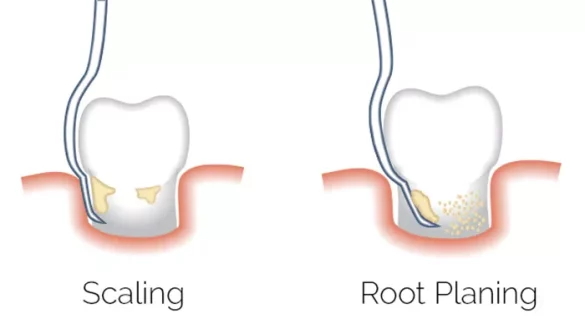
Root planing and scaling are non-surgical dental procedures aimed at treating gum disease (periodontitis). These treatments focus on cleaning the surfaces of the teeth and the roots below the gum line to remove tartar and plaque. Scaling involves the removal of tartar and plaque above and below the gum line, while root planing smooths the roots of the teeth to encourage healthy reattachment of the gum tissue.
Why Are Root Planing and Scaling Necessary?
Root planing and scaling are typically recommended when a patient is suffering from gum disease. Gum disease, or periodontal disease, occurs when the gums become inflamed due to the accumulation of plaque and tartar. If left untreated, gum disease can lead to tooth loss and other serious health complications.
The Connection Between Gum Disease and Sensitive Teeth
One of the symptoms of gum disease is sensitive teeth. When plaque builds up along the gum line, it can cause inflammation, which results in the gums receding and exposing sensitive areas of the teeth. This condition can make everyday activities, such as eating or drinking, painful. Root planing and scaling help alleviate this sensitivity by removing the plaque and tartar buildup that causes gum inflammation.
Is Root Planing and Scaling Painful?
The short answer is: it can be. Root planing and scaling can cause some discomfort, especially if the gums are inflamed or if a patient has advanced gum disease. However, most patients report only mild to moderate discomfort, which can be managed with local anesthesia.
Factors That Influence Pain Levels
Several factors contribute to how painful root planing and scaling may be:
Severity of Gum Disease: Patients with advanced gum disease may experience more pain because the gums are more inflamed and sensitive.
Presence of Plaque and Tartar: The more plaque and tartar buildup, the more pressure may need to be applied during scaling, which can lead to discomfort.
Root Exposure: When the gums recede, the roots of the teeth become exposed, making the treatment area more sensitive.
How Do Dentists Manage Pain During Root Planing and Scaling?
While some discomfort is possible, dentists take steps to minimize pain during the procedure. The most common pain management technique is the use of local anesthesia, which numbs the area being treated. In some cases, sedation may also be offered for patients who experience anxiety about the procedure.
Local Anesthesia
Local anesthesia is typically injected into the gum tissue to numb the area around the affected teeth. This ensures that the patient does not feel pain during the procedure. The effects of the anesthesia usually wear off within a few hours after the treatment.
Additional Sedation Options
For patients with a high level of anxiety or those undergoing more extensive treatment, oral sedation or nitrous oxide (laughing gas) may be recommended. This helps the patient remain relaxed and calm throughout the procedure.
Post-Treatment Pain and Discomfort
After root planing and scaling, it is common to experience some mild discomfort, sensitivity, or soreness in the gums and teeth. This can last anywhere from a few days to a week. Over-the-counter pain relievers, such as ibuprofen, can help manage this discomfort. Your dentist may also recommend warm saltwater rinses to help reduce inflammation.
Managing Pain After Treatment
Here are some tips to manage pain and promote healing after root planing and scaling:
Take Pain Relievers: Over-the-counter pain medications like ibuprofen can help reduce swelling and discomfort.
Avoid Hot and Cold Foods: Your teeth and gums may be sensitive to temperature changes for a few days after the procedure, so avoid hot or cold foods.
Practice Good Oral Hygiene: Gently brushing with a soft-bristled toothbrush and using an antimicrobial mouthwash can help prevent infection and promote healing.
Use a Soft Toothbrush: After the treatment, use a soft-bristled toothbrush to avoid irritating the sensitive areas of your gums.
How Long Does It Take to Recover?
The recovery time after root planing and scaling varies from patient to patient, depending on the severity of the gum disease and how extensive the treatment was. Most patients recover within a week, with swelling and tenderness subsiding after a few days. In more severe cases, it may take longer for the gums to fully heal.
When to Call Your Dentist
If you experience significant or prolonged pain after root planing and scaling, or if you notice signs of infection, such as pus or fever, it’s important to contact your dentist. Early intervention can prevent complications and ensure the success of the treatment.
Alternatives to Root Planing and Scaling
While root planing and scaling are often the most effective treatments for gum disease, there are alternative options for patients who may have difficulty tolerating the procedure or prefer less invasive treatments. Some alternatives include:
Antibiotic Therapy: In some cases, antibiotics can be prescribed to help control the infection associated with gum disease.
This is typically used for patients with mild to moderate gum disease.
Laser Therapy: Laser treatments can be used to target infected gum tissue and bacteria. This can sometimes be a less invasive option compared to traditional scaling and planing.
Conclusion
Root planing and scaling are important procedures to treat gum disease and improve oral health. While they can cause some discomfort, the pain is usually mild to moderate and can be managed effectively by your dentist. Post-treatment care is also essential in ensuring a smooth recovery and preventing further complications.
If you have concerns about pain or any other aspect of the procedure, don’t hesitate to discuss them with your dentist. They can help guide you through the process and ensure that you are as comfortable as possible during treatment and recovery.
