

Is Scanning Every Patient the Future?
/
/
Is Scanning Every Patient the Future?

Is Scanning Every Patient the Future?

While many dental practices simply use their scanners when impressions are needed for treatment, a growing number of dental teams are scanning patients regularly to track changes over time and increase case acceptance


Today, nearly 2 out of 3 dentists use an intraoral scanner to take impressions, according to the 2023 Dental Technology Census conducted on behalf of Dental Product Shopper. The survey revealed a dramatic increase in the adoption of digital impressions over 5 years—from just 26% of dentists in 2018 to 57% last year.


For many dentists, digital impressions are a no-brainer for reasons such as accuracy, speed, and to serve as the starting point of the digital workflow for restorations, implants, orthodontics, and more. Of course, another key benefit of using an intraoral scanner is, quite simply, the patient. Patients often struggle with conventional impressions and tend to enjoy a more positive experience once their dentists have made the switch to digital. The digital model can also help patients better understand their dental conditions.
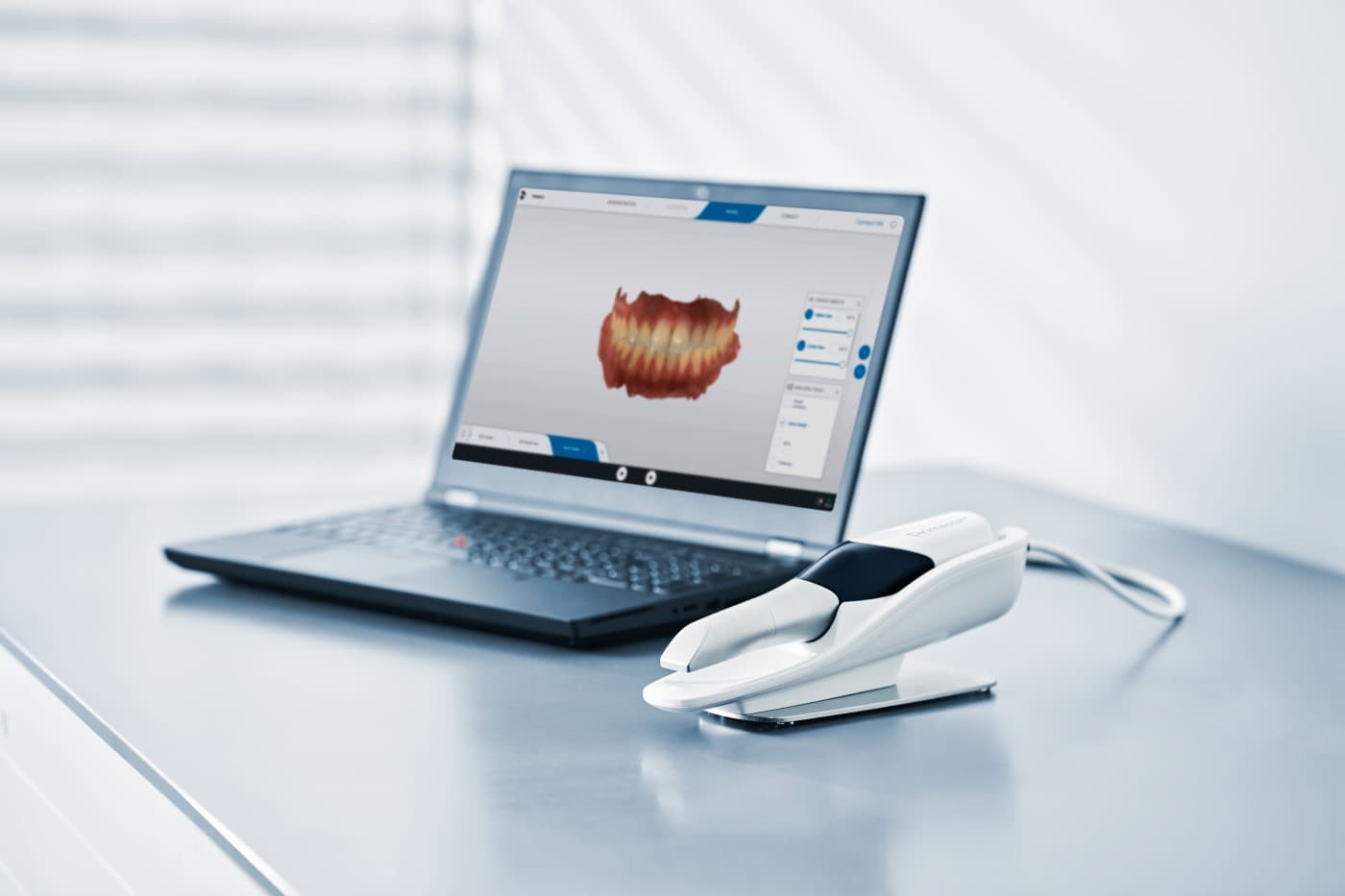
Dentsply Sirona_Primescan Connect.jpg

While many practices simply use their scanners when impressions are needed for treatment, a growing number of dental teams are scanning patients regularly. Dr. Mike Skramstad, who performs all aspects of cosmetic, implant, and family dentistry with a particular focus on esthetic and CAD/CAM computerized dentistry, is among the latter.


In fact, he believes that scanning every patient is the future.


“It is currently integral to my process with all patients,” said Dr. Skramstand, who practices in Orono, MN. “It’s beneficial for patients to see their teeth in 3 dimensions to evaluate tooth position, wear, erosion, and occlusion. It’s traditionally difficult for patients to understand these things and create value for them for potential treatment with photographs. It also has the benefit of creating a ‘snapshot’ of their condition at that current time. As we take more sequential scans over the years, we have the ability to quantitatively evaluate changes and communicate them to the patient.”


He added, “It’s also helpful if something happens to one of their teeth (fracture, trauma, etc.) because we could 3D print a model of their original situation to use as a ‘copy’ and recreate a tooth that is extremely close to their natural tooth.”


With Dentsply Sirona’s Primescan Connect, which can now be integrated with A-dec delivery systems, dentists have access to a high-performing intraoral scanner in a laptop configuration. With all the benefits of the Primescan scanner at a more accessible price, Primescan Connect can help dentists enjoy simplified scanning and streamlined workflows.


“The advantage of Primescan Connect is that it allows dentists to get into one of the best-in-class intraoral scanners at a low price point,” Dr. Skramstad said. “From there, they can start scanning patients, sending to their labs, and potentially move into 3D printing and/or milling. It’s also beneficial to current users because, as we start to scan more patients for more applications, additional scanners are necessary in the office and Primescan Connect fills this role for us.”


For more information about Primescan Connect, click here.

WhatsApp