

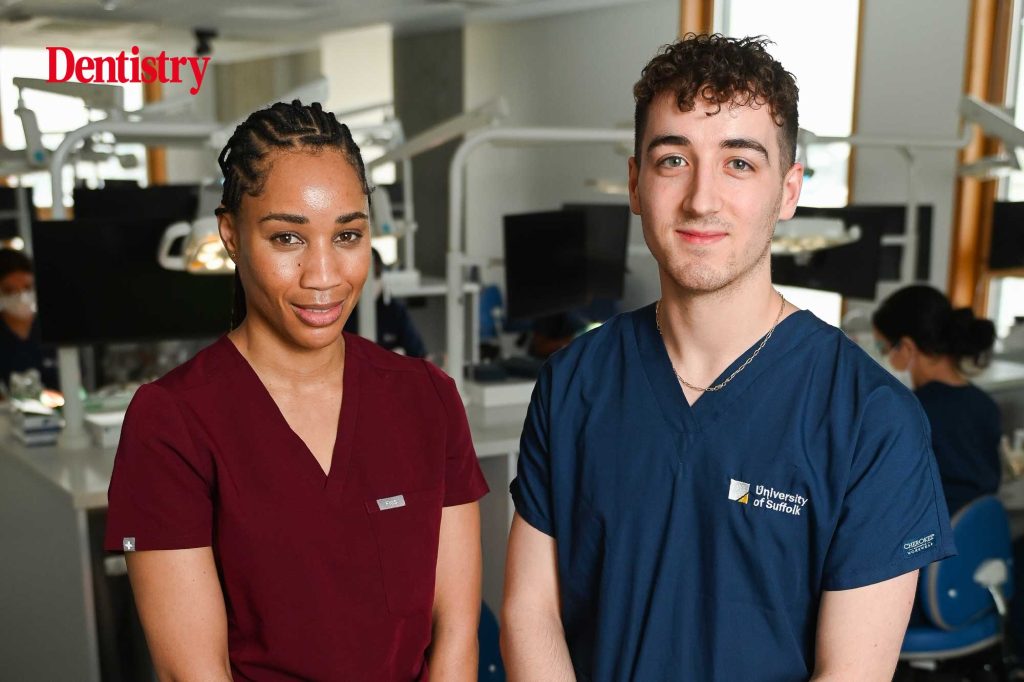
Charlie Steward speaks to dental hygienist Stacianne Tennant about her previous experiences in Jamaican and American dentistry, and her role in developing the dental hygiene and therapy course at the University of Suffolk.
Stacianne Tennant emigrated to the UK with previous dental experience from Jamaica and on the American dental hygiene examination board. She’s a highly refined hygienist who’s at the top of her field in study and work and has a high ambition for the future of UK dental hygiene and dental public health.
Stacianne played an integral role in the facilitation of dental hygiene and therapy course at the University of Suffolk (UOS). Having worked with her as a tutor and mentor, I’ve grown significantly in both ability and confidence since my university induction.
With our shared aspirations for the future of British dentistry intertwined with the structure and future of the course, the whole cohort has been pushed to the peak of performance.
I sat down with Stacianne to gain more insight into the experiences behind the creation of the dental hygiene and therapy course at UOS.
What inspired you to apply as a lecturer and supporter in the development of the dental hygiene and therapy course at UOS?
I was inspired by the opportunity to shape the next generation of dental professionals through meaningful education and mentorship. Being a clinician allows me to see the challenges students will face first-hand, and I wanted to be part of creating a course that not only equips them with clinical skills but also fosters critical thinking, resilience, and professional identity.
The vision at UOS aligned with my passion for inclusiveness and diversity and the forward-thinking of dental education, I felt it was the right environment to contribute my experiences and grow alongside the programme.
What Jamaican and/or American dental practices have you brought to the UK?
From working in Jamaica, I gained a strong sense of community care and holistic patient engagement. In practice, I approach patients with empathy and ensure oral health education is always part of treatment.
From the US, I have adopted a structured approach to dental hygiene protocols, including a focus on risk assessments, patient documentation, and collaborative care planning. Both influences have shaped my practice here in the UK by combining high standards of care with culturally responsive communication and education.
Is there anything that you feel the UK dental industry can do differently?
I believe the UK dental industry can place greater emphasis on preventive care rather than treating/ending a disease by integrating dental hygienists and therapists more strategically within practice settings. There’s still room to grow in recognising the full scope of what dental hygienists and therapists can offer, especially in reducing health inequalities and addressing unmet needs in communities.
Additionally, I think the UK can invest more in higher and continuing education for the profession to have a more productive and better workforce and implement better link for interdisciplinary and multidisciplinary collaboration, as I believe it not only enhances patient outcomes but also professional satisfaction across the board.
What aspect of dentistry are you most intrigued by?
I think I am caught between two aspects. I’m especially intrigued by the microbiological dimension of periodontal disease understanding how microbial communities interact with host responses fascinates me. This has led to my interest in probiotics and the potential for biological adjuncts in managing periodontal conditions. Lately I am doing a bit of reading on how probiotics can aid in oral disease prevention.
I also enjoy exploring the psychosocial aspects of dental anxiety and behaviour change, as they are essential to delivering care that is both effective and compassionate. I think is a result of a few modules I have being delivering on the course these past couple of months.
As a confident and vocal hygienist, how would you advise clinicians who feel they are lacking confidence and skill in their prophylaxis treatment?
Firstly, I’d like to reassure them that confidence is built through continuous reflection, not perfection. Again, referring to my public health knowledge and by merely incorporating dental ethics; mistakes can happen unintentionally, but the main factor is reflection and accountability and learning from these mistakes. Therefore I’d encourage dental hygienists to seek feedback, observe peers, and not shy away from difficult clinical cases.
Attending CPD courses that focus on instrumentation, ergonomics, treatment planning and patient communication. It’s also important to remember that every patient is also a learning opportunity. I often remind colleagues that being vocal isn’t about being loud and boisterous it’s about advocating for your learning needs, for what you believe in and embracing the discomfort that comes with growth. With the right support, confidence naturally follows competence.
In the next five years as both clinician and lecturer, what do you hope to achieve?
Over the next five years, I aim to complete a PhD study that will contribute to evidence-based advancements in dental hygiene and therapy, particularly in areas like oral microbiology and its association with periodontal disease. Not only do I want to continue research studies for preventative care but also to promote oral health awareness, as dental public health is very close to my heart.
I also want to support the growth of the UOS programme by developing innovative, student-centred teaching strategies. Clinically, I intend to refine my expertise in periodontal therapy and integrate research more directly into practice.
Ultimately, my goal is to bridge the gap between clinical work and academic development, becoming a well-rounded leader in both domains.
