

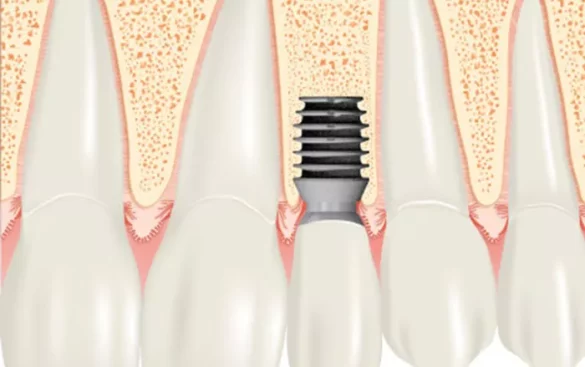
Lifecore Biomedical is a well-respected company specializing in dental implants. Their implants are designed to help people who have lost teeth or suffer from gum disease and other dental problems. Lifecore Biomedical focuses on creating products that are safe, reliable, and effective for restoring smiles. Their dental implants are used by many dental professionals worldwide to treat patients with missing teeth or sensitive teeth issues.
Why Choose Lifecore Biomedical?
Choosing the right dental implant brand is crucial for long-term success. Lifecore Biomedical implants are known for their high quality and advanced technology. The company invests heavily in research to ensure that their products work well with the natural bone and gums. This is especially important for patients with gum disease or sensitive teeth, as their mouth tissues can be delicate.
Lifecore implants offer:
Strong and durable support for dental restoration.
Compatibility with bone and gum tissues to reduce healing time.
Various styles to fit different patient needs.
Proven success rates in clinical use.
Types of Lifecore Biomedical Implants and Their Applications
Lifecore Biomedical offers a range of dental implants tailored to different dental conditions:
Standard Implants
Used for replacing single teeth or multiple teeth in areas with sufficient bone. Ideal for patients without severe gum disease.
Mini Implants
These are smaller implants used mainly for patients with narrow bone or limited space. Great for stabilizing dentures, especially if sensitive teeth are a concern during treatment.
Zygomatic Implants
Designed for patients with severe bone loss due to advanced gum disease or trauma. These implants anchor into the cheekbone, offering a solution for challenging cases.
Immediate Load Implants
These allow for quicker tooth replacement soon after implant placement, speeding up the healing process for patients eager to restore their smile rapidly.
Each implant type serves a specific purpose, helping dentists treat a wide range of dental issues effectively.
How Much Do Lifecore Biomedical Dental Implants Cost?
The cost of Lifecore Biomedical dental implants varies based on several factors:
Type of implant used (standard, mini, zygomatic, or immediate load).
The number of implants needed.
Additional procedures such as bone grafting or gum treatment if gum disease is present.
Location of the dental clinic.
On average, the cost ranges from $1,500 to $3,000 per implant. Mini implants tend to be less expensive, while specialized implants like zygomatic cost more due to the complexity of the procedure.
Dental insurance may cover part of the cost, especially if the implants are medically necessary. Patients should discuss financing options with their dental provider.
Material of Lifecore Biomedical Dental Implants
Lifecore Biomedical implants are made primarily from titanium and titanium alloys. Titanium is popular in dentistry because it is:
Biocompatible, meaning it works well with the human body without causing allergic reactions.
Strong and lightweight.
Resistant to corrosion from saliva and food.
Able to fuse with bone through a process called osseointegration, providing a stable foundation for teeth.
Some Lifecore implants may also use specialized surface treatments to enhance bone growth and improve healing for patients, especially those with compromised gum health.
Who is a Candidate for Lifecore Biomedical Dental Implants?
Candidates for Lifecore Biomedical dental implants include:
People with one or more missing teeth.
Patients suffering from gum disease who have undergone or are undergoing treatment.
Those with sensitive teeth seeking more stable tooth replacements.
Individuals with enough healthy bone to support the implant or candidates for bone grafting.
Patients in good overall health, with controlled chronic conditions such as diabetes.
Implants might not be suitable for those with uncontrolled gum disease or poor oral hygiene until these issues are resolved.
Clinical Benefits of Lifecore Biomedical Implants
Choosing Lifecore Biomedical implants can offer many benefits:
Long-lasting restoration of chewing function and speech.
Prevention of bone loss that typically occurs when teeth are missing.
Improved aesthetics, restoring natural-looking teeth.
Reduced risk of implant rejection due to high biocompatibility.
Enhanced comfort compared to dentures, especially for those with sensitive gums.
Support for surrounding teeth, reducing chances of shifting or misalignment.
These clinical benefits contribute to improved oral health and quality of life for patients.
FAQs
How long do Lifecore implants last?
With proper care, Lifecore implants can last for many years, often over 15 years.
Can implants be used if I have gum disease?
Yes, but gum disease must be treated first to ensure successful implant integration.
How soon can I eat after getting the implant?
Soft foods are recommended initially, with a gradual return to a normal diet as healing progresses.
Are Lifecore implants suitable for people with sensitive teeth?
Yes, implants can help alleviate discomfort associated with sensitive teeth by providing a stable tooth replacement.
Conclusion
Lifecore Biomedical is a trusted name in dental implants, offering a variety of implant types to meet different dental health needs. Their use of titanium materials and advanced technologies provides durable, safe, and effective solutions for patients with missing teeth, gum disease, or sensitive teeth. With careful patient selection and proper oral care, Lifecore Biomedical implants can restore function and beauty to your smile, improving both oral health and confidence.
