

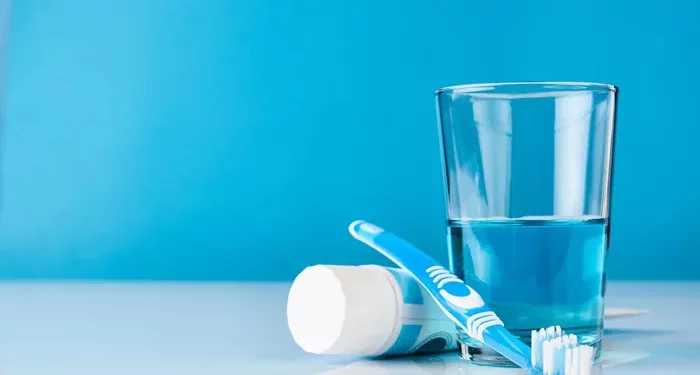
Mouthwash can play a valuable supporting role in controlling dental biofilm and gingival inflammation, according to a comprehensive review of clinical evidence by periodontal experts Iain Chapple and Elena Figuero.
Their analysis focuses on “chemical biofilm control,” which complements mechanical plaque removal such as brushing. Chemical agents can be applied either locally by professionals, for example through subgingival delivery into periodontal pockets, or topically by patients using toothpaste or mouth rinses.
Among these options, mouth rinses stand out for several practical reasons. They have favourable pharmacokinetics, do not rely on a patient’s brushing technique, can reach areas that are difficult to clean mechanically, and are generally well accepted by patients. These advantages make them an appealing adjunct to daily oral hygiene, particularly for individuals who struggle with effective plaque removal.
The strongest evidence relates to antiseptic agents. Chapple and Figuero cite data from 70 randomised clinical trials, each with at least six months of follow-up and involving more than 6,000 participants across test and control groups. These studies consistently show that antiseptic mouth rinses significantly reduce gingival inflammation compared with placebo.
Importantly, the benefits were similar for patients with gingivitis and those receiving supportive periodontal care. By contrast, the researchers found very limited evidence supporting the use of non-antiseptic chemical agents.
Taken together, the findings suggest that antiseptic mouth rinses can be a useful addition to oral hygiene routines. However, the authors stress that mouthwash should be viewed as one component of a broader preventive strategy, rather than a standalone solution.
Mechanical plaque removal remains the foundation of oral health. Patients may choose between manual and power toothbrushes. While evidence slightly favours power brushes, the difference in effectiveness is modest. Cost is also a factor, and manual toothbrushing remains a perfectly acceptable option for many patients.
Interdental cleaning is more nuanced. The authors do not recommend dental floss for periodontal maintenance patients, as these individuals often have wider interdental spaces where floss is ineffective. In such cases, interdental brushes provide superior plaque removal.
That said, flossing still has a role. It can be effective for prevention or for patients with tight interdental spaces where brushes cannot fit. As a result, floss is not universally discouraged, but its use should be tailored to the patient’s clinical situation.
The review also addresses the use of systemic antibiotics in periodontal care. Evidence shows that antibiotics can provide some additional benefit when combined with non-surgical periodontal therapy. However, these gains are generally small.
When weighed against the risks, costs and contribution to antibiotic resistance, the routine use of systemic antibiotics for periodontitis cannot be justified. The authors make a strong recommendation against prescribing antibiotics for periodontitis in general dental practice.
There are rare exceptions, such as young patients with generalised grade C periodontitis, where antibiotics may be considered. Even then, treatment should be managed in specialist or advanced care settings. This approach aligns with broader efforts in antimicrobial stewardship to limit unnecessary antibiotic use.
Chapple and Figuero emphasise that effective self-performed mechanical cleaning remains the gold standard for managing gingival inflammation. If patients can remove plaque efficiently through brushing and interdental cleaning, no additional measures may be needed.
However, when patients struggle to achieve adequate biofilm control, adjunctive therapies can be considered. Based on current evidence, three antiseptic agents stand out: chlorhexidine, essential oils and cetylpyridinium chloride (CPC). These agents have the most consistent support from clinical trials.
The authors note that their recommendations are evidence-based and independent of industry influence. They do not endorse specific brands, focusing instead on the active ingredients shown to be effective.
Overall, the review reinforces a clear message: mouthwash can be beneficial, but only as part of a balanced approach to oral hygiene that prioritises mechanical plaque removal and responsible use of adjunctive treatments.
