


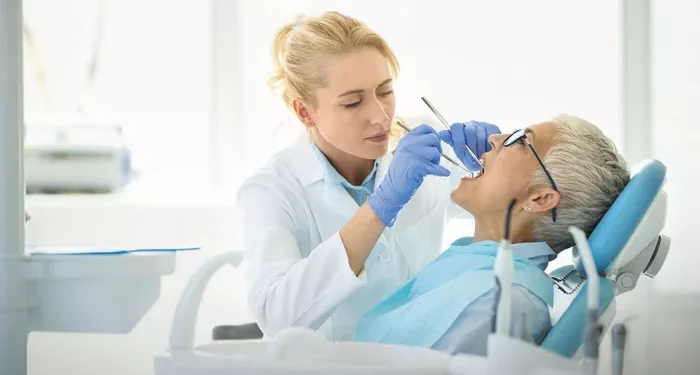
Dental students who received neurosculpture meditation training prior to clinical tasks demonstrated greater accuracy and technical proficiency in cavity preparation, a new peer-reviewed study found.
The study was conducted by the Denver-based Neurosculpture Institute, a meditation and neuroplasticity education organization, and published in the Cureus Journal of Medical Sciences.
The study included 40 second-year students in the Bachelor of Dental Surgery (BDS) program, who were randomly assigned to either a standard clinical training group or a control group, which received standard training alone.
The students’ primary cavity preparations were evaluated before and after the intervention, with scoring criteria including cavity contour, depth, root loss, and pulp floor orientation.
The Mann-Whitney U test and Wilcoxon signed-rank test showed no significant differences between the two groups at baseline, but after eight weeks, the experimental group significantly outperformed the control group on all evaluation items.
For example, the average score of cavity contour in the experimental group increased from 5.36 to 6.22, and the average score of undercut increased from 5.14 to 6.67.
The study showed that neurosculpting meditation significantly promoted students’ fine motor skills and psychomotor performance, and improved their performance in complex clinical operations. Lisa Weinberg, founder of the Neurosculpting Institute, said: “We have always believed in the power of mental rehearsal and neural retraining. This study is exciting to prove that specific meditation practices can translate into improved clinical skills, even in the technically demanding field of dentistry.”
In addition, the results of this study continue the findings of a previous study published in the Journal of Yoga, Physical Therapy and Rehabilitation, which showed that neurosculpting meditation not only reduced stress and anxiety in undergraduates within six weeks, but also improved sleep quality.
In summary, the researchers believe that neurosculpting exercises can be an important supplement to dental education, which not only helps improve technical skills, but also promotes the physical and mental health development of students.