

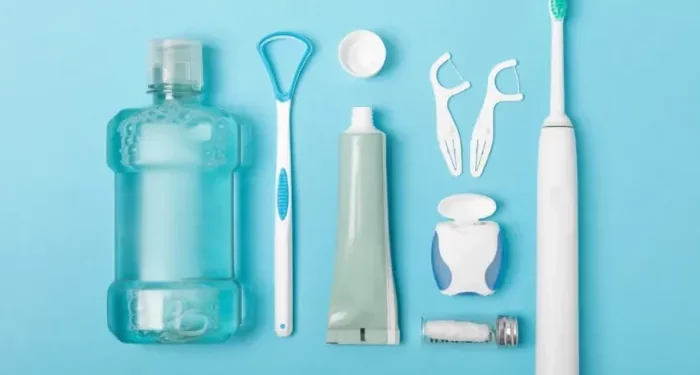
Several advancements in dental products are changing the way both consumers and professionals approach oral care and dental health. Recent studies cited by dental experts have raised questions about the frequent use of strong antibacterial mouthwashes. Some research suggests that using such mouthwashes twice daily could affect overall health by reducing beneficial bacteria in the mouth, which help control blood pressure and blood sugar. However, dentists maintain that while mouthwash can be helpful for maintaining oral hygiene, it should not replace brushing and flossing as the foundation of a dental care routine. Clinically approved fluoride mouthwashes are recommended for routine use, but stronger solutions should be taken only with proper guidance from a dental professional.
Meanwhile, luxury and high-design oral-care products are making their mark with new launches and creative collaborations. The recent partnership between Swedish oral-care brand Selahatin and designer Rick Owens has led to the release of a toothpaste and mouthwash that stand out for their unique flavors and aesthetic packaging. These products aim to elevate daily habits by turning them into memorable rituals, using complex scents and flavors that go beyond traditional mint. While some users find the experience refreshing and enjoyable, others remain cautious about how these high-end products fit into their established oral-care routines, especially considering the necessity for reliable dental protection.
Beyond personal care products, there are significant innovations in dental education. Stratasys has introduced a new 3D-printed dental anatomical model preset designed for simulation-based training. This model offers a realistic, customizable alternative to traditional cadaver and animal specimen use, making training safer, more scalable, and less ethically complex. Built using advanced multi-material 3D printing technology, these models provide lifelike replicas of teeth, bones, nerves, and soft tissues. They can be tailored to specific patient cases, supporting various dental procedures such as implant placement, periodontal surgery, and sinus augmentation. With this technology, dental students and clinicians can gain more consistent and confident expertise before working with real patients.
These developments indicate a shift toward a more holistic and modern understanding of oral health. The blend of scientific evidence, innovative product design, and simulation-based education is helping consumers and professionals pay closer attention to routines, tools, and techniques that benefit overall dental and systemic health. As dental products continue to evolve, both the experience and effectiveness of oral care and training are set to improve.
Together, these new products and educational tools highlight how innovation can shape better oral hygiene practices and prepare future dental professionals. Whether through thoughtfully designed daily essentials, caution around the use of strong oral-care products, or realistic training models, the dental field continues to adapt and innovate for better health outcomes.
Tags: dental careteeth