

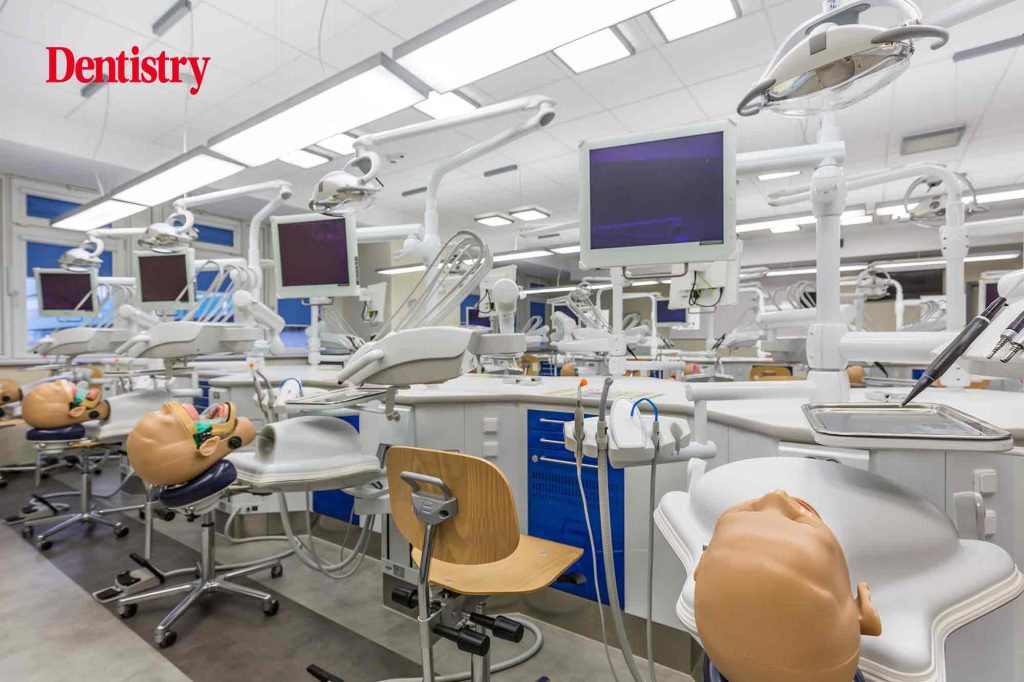
As calls are made for the expansion of training places in dentistry, we spoke with leading dental experts on what they think is needed to address workforce shortages.
The Dental Schools Council – which represents UK dental schools – has outlined a number of recommendations for addressing workforce shortages in a new report called Fixing NHS Dentistry.
The report calls for a number of actions, including the expansion of training places for dentistry, dental hygiene and dental therapy.
We hear from some leading figures in the profession about whether they support the recommendations:
Bill Sharpling, chair of the faculty of clinical dental technology and dental technology, College of General Dentistry
‘The Dental Schools Council’s call for an expansion of training places is timely and important, and I fully support the ambition to strengthen the dental workforce. It’s encouraging to see recognition of dental hygienists and dental therapists, whose roles are increasingly central to NHS care delivery.
‘However, the report does not mention clinical dental technicians (CDTs) or dental technicians (DTs) – yet both play a critical role in providing essential restorative and prosthodontic care, with CDTs in particular supporting denture-wearing patients who are often older and among the most underserved.’

He added: ‘As we look to future-proof the workforce, it’s vital that training opportunities and strategic planning include the full dental team. I’m hopeful this report represents the beginning of a broader, more inclusive conversation – one in which CDTs and DTs are supported to train, upskill and contribute even more meaningfully within NHS pathways.’
Saroash Shahid, reader in dental biomaterials at Queen Mary University of London
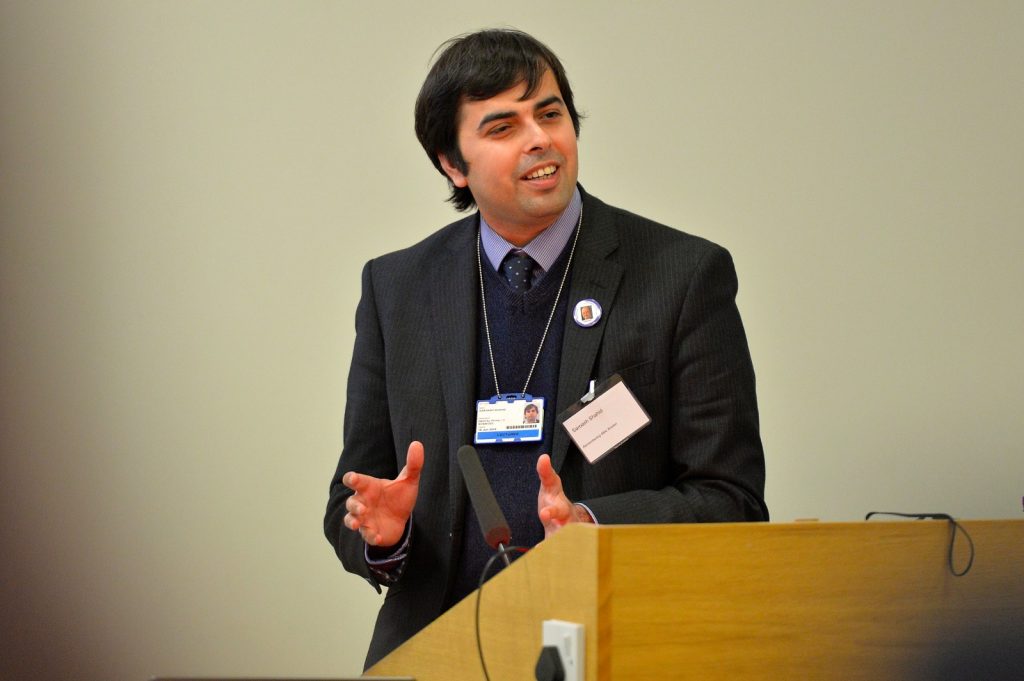
The below is Dr Shahid’s personal view and does not necessarily reflect the position of Queen Mary University of London or the Institute of Dentistry.
‘I fully support the call for increased dental training places, but expansion must be matched by investment in infrastructure, staff and long-term workforce planning. Addressing the dental workforce crisis requires a national oral health strategy that includes not only recruitment but also retention, with urgent reform to NHS contracts and better support for clinician wellbeing.
‘We also need to strengthen the clinical academic pipeline and ensure equitable access to training by widening participation. Without coordinated action across education, healthcare, and policy, the current crisis will only deepen.’
Robert Witton, chief executive of Peninsula Dental Social Enterprise (PDSE)

‘Working at a dental school, I welcome the DSC position statement on expanding dental training places across all dental professional groups. Where I work in the south west, we have recruitment and retention challenges across all dental settings including those practices offering only private dental care. The recruitment challenges are certainly more acute in the NHS due to the dental contract – but are not exclusive to it.
‘As a rural and coastal area, like many others around the country, there are a complex range of interacting factors that impact on recruitment and retention of the dental workforce. Training more dental team members in areas like the south west can contribute significantly to patient care where there would otherwise be no alternative for many people in local communities. Critics might argue this is unaffordable, but the consequences of not training more dental professionals will cost more to the NHS in the long-term.’
Nigel Carter, CEO of the Oral Health Foundation
‘At the heart of our ongoing NHS dental crisis is the lack of dental professionals around the country. Regional disparities mean that many people are waiting in pain, often for months at a time. Poor oral health costs this country billions in lost workdays, extensive health care and school absences, which can have a long-term impact on someone’s outcome in life.
‘We can only really solve this issue by expanding our workforce beyond its current capacity. It cannot go on as it has in the past; radical action will clear the backlog of waiting patients. Even if we had a hundred new places today, it would still be years until we see the benefit.
‘We need to act decisively now to secure the future of our nation’s oral health. Dentists, dental therapists, hygienists, nurses and clinical academics are all vital to a functioning, fair, and future-proof service. Without action now, we risk losing a generation of talent – and with it, the chance to rebuild public trust in NHS dentistry.’
Follow Dentistry.co.uk on Instagram to keep up with all the latest dental news and trends.
